
ORNL Researchers Patent Low-Temperature Method to Convert Polyethylene Waste into Gasoline
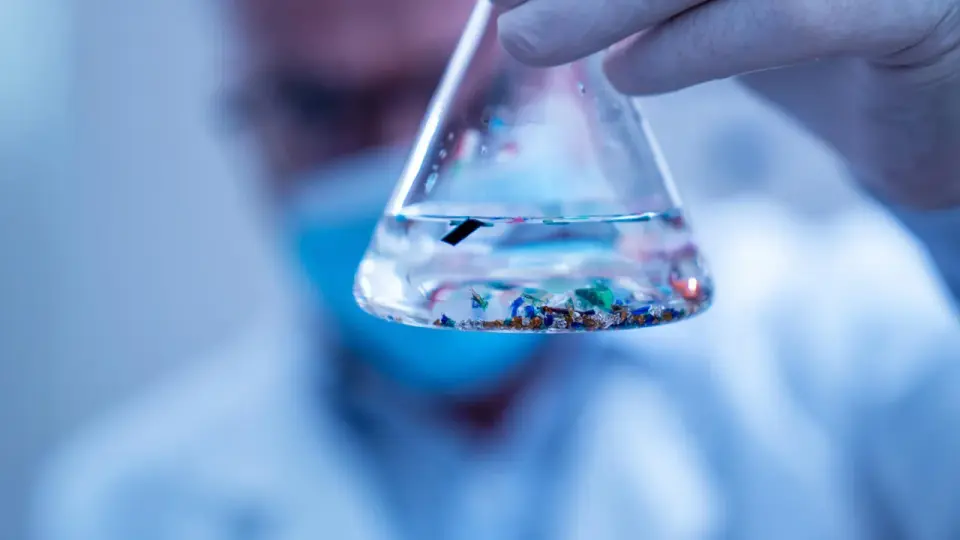
Scientists at Oak Ridge National Laboratory have developed a novel chemical process that converts polyethylene plastic waste into gasoline and diesel-like fuels using inexpensive aluminum-based molten salts. Operating at temperatures below 200 degrees Celsius, the method achieves a 60 percent gasoline yield without requiring noble-metal catalysts, organic solvents, or external hydrogen. Published in the Journal of the American Chemical Society, the technology offers a potentially scalable alternative to high-heat pyrolysis, though researchers must still address the salts' sensitivity to moisture before industrial application.
Key points
- The new process uses aluminum chloride molten salts to act simultaneously as the reaction medium and catalyst, breaking down polyethylene chains into smaller hydrocarbons.
- Experiments achieved a gasoline yield of approximately 60 percent under mild conditions, with simpler polymer chains producing gasoline-like compounds and complex chains yielding diesel-like fuels.
- The method operates below 200 degrees Celsius, significantly lower than the 450 to 500 degrees Celsius required by traditional pyrolysis techniques.
- Researchers utilized soft X-ray spectroscopy, neutron scattering, and isotopic labeling to track the atomic-level chemical reactions and confirm the catalytic mechanism.
- A patent has been filed for the technology, which is currently limited by the hygroscopic nature of the aluminum salts, requiring further research to improve stability and scalability.
Background
This development builds on earlier reports from September 2026 regarding low-temperature molten salt routes for plastic-to-fuel conversion. It follows a broader trend in waste-to-energy innovation, including NASA-backed methods for converting plastic into edible proteins, and occurs amidst a period of tight global fuel supplies and rising energy costs in the UK and US.
How outlets are covering it
ScienceDaily and ANI News provide nearly identical detailed accounts of the Oak Ridge National Laboratory research, focusing on the technical advantages of the molten salt process over traditional pyrolysis. Insights IAS frames the story within a broader educational context, highlighting plastic-to-hydrogen and waste-to-energy pathways as solutions for India's plastic pollution, though it does not provide specific details on the ORNL aluminum chloride method. All sources agree on the potential of the technology but differ in their focus, with the primary sources emphasizing the chemical mechanism and the secondary source emphasizing policy and environmental implications.
Why it matters
This technology could significantly reduce plastic waste while contributing to U.S. energy security by providing a new source of transportation fuels. The low-temperature requirement and use of cheap, commercially available inorganic salts could make the process more economically viable and easier to scale than existing methods, potentially strengthening industrial competitiveness.
What to watch
Researchers plan to investigate methods to confine the molten salts using halogens or carbon-based materials to improve their stability against moisture. Future work will focus on scaling the process beyond laboratory experiments to assess its viability for industrial fuel production.
- A new process turns plastic waste into gasoline and diesel fuel ScienceDaily
- Ways to conquer plastic waste and produce useful materials The Hindu
- From Plastic Waste to Clean Energy: Recycling, Pyrolysis and Hydrogen Pathways INSIGHTS IAS
- Scientists develop process that turns plastic waste into gasoline and diesel-like fuels aninews.in
Want the full story? Read the original reporting
Read on ScienceDaily