Tag

Plastic Recycling

All articles tagged with #plastic recycling

ETH Zurich Unlocks Low-Energy Recycling for Acrylic Glass
science1 month ago

ETH Zurich Unlocks Low-Energy Recycling for Acrylic Glass

Researchers at ETH Zurich have developed a cost-effective method to recycle acrylic glass, or Plexiglas, by breaking it down into pure monomers using a single inexpensive chemical. The process operates at just over 200°C, requiring half the energy of previous methods, and achieves up to 98% recovery of high-quality material suitable for new products. This innovation could significantly reduce plastic waste and lower the energy costs associated with recycling common materials like windows and car taillights.
ORNL Researchers Patent Low-Temperature Method to Convert Polyethylene Waste into Gasoline
science-and-technology2 months ago

ORNL Researchers Patent Low-Temperature Method to Convert Polyethylene Waste into Gasoline

Scientists at Oak Ridge National Laboratory have developed a novel chemical process that converts polyethylene plastic waste into gasoline and diesel-like fuels using inexpensive aluminum-based molten salts. Operating at temperatures below 200 degrees Celsius, the method achieves a 60 percent gasoline yield without requiring noble-metal catalysts, organic solvents, or external hydrogen. Published in the Journal of the American Chemical Society, the technology offers a potentially scalable alternative to high-heat pyrolysis, though researchers must still address the salts' sensitivity to moisture before industrial application.

SIU Carbondale Researchers Present Yeast-Based Method to Convert PET Plastic into 3D-Printed Cookies
science-and-technology2 months ago

SIU Carbondale Researchers Present Yeast-Based Method to Convert PET Plastic into 3D-Printed Cookies

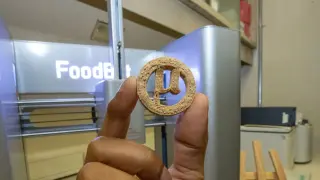
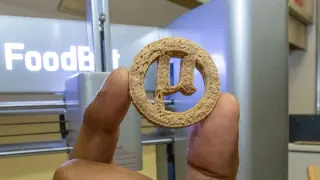
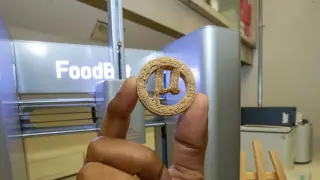
Southern Illinois University Carbondale scientists, supported by NASA, have demonstrated a system that converts polyethylene terephthalate (PET) plastic and agricultural waste into edible ingredients using engineered yeast. The resulting components are 3D-printed into protein-rich cookies called µBites. While formal taste tests are pending, the technology aims to address food insecurity in extreme environments like deep space and disaster zones by upcycling carbon-rich waste into nutrition.

science-and-technology2 months ago

Oak Ridge Lab Converts Polyethylene Waste to Fuel Using Low-Temperature Molten Salts

Researchers at Oak Ridge National Laboratory have developed a method to convert polyethylene waste into gasoline and diesel fuels using heated molten salts. The process operates below 200 degrees Celsius, avoiding the need for expensive catalysts or external hydrogen. While promising for industrial scaling, the method faces challenges related to water sensitivity.

Engineered Yeast Converts Plastic Waste Into Edible 'Microbites' for Space and Disaster Zones
science3 months ago

Engineered Yeast Converts Plastic Waste Into Edible 'Microbites' for Space and Disaster Zones

Researchers at Southern Illinois University Carbondale have developed a method to convert polyethylene terephthalate (PET) plastic and agricultural waste into edible cookies called 'µBites.' The process uses oxidative hydrothermal dissolution to break down materials, followed by genetically engineered yeast to synthesize proteins, vitamins, and flavors like vanilla. While the cookies are safe and aromatic, human taste tests are pending regulatory approval. The technology aims to address food scarcity in extreme environments, such as deep-space missions or disaster zones, though current production costs remain high at $60 per kilogram.

SIU Researchers 3D-Print Edible Cookies From Plastic Waste Using Engineered Yeast
science-and-technology3 months ago

SIU Researchers 3D-Print Edible Cookies From Plastic Waste Using Engineered Yeast

Researchers at Southern Illinois University Carbondale have developed a method to convert polyethylene terephthalate (PET) plastic and agricultural waste into edible cookies dubbed 'µBites'. The process, funded by NASA’s Deep Space Food Challenge, uses oxidative hydrothermal dissolution to break down materials, which are then fed to genetically engineered yeast to produce proteins, fats, and flavors. The resulting slurry is 3D-printed into cookies. While safety tests are pending, the team aims to use this technology for space missions, disaster relief, and potentially addressing global food scarcity.

NASA-funded team creates edible 'cookies' from plastic waste using engineered yeast
science3 months ago

NASA-funded team creates edible 'cookies' from plastic waste using engineered yeast

Researchers at Southern Illinois University Carbondale have developed a method to convert waste plastic and agricultural residue into edible food products, specifically disc-shaped cookies dubbed 'µBites'. Funded by NASA’s Deep Space Food Challenge, the technology uses genetically modified yeast to transform polyethylene terephthalate (PET) plastic and corn stalks into proteins, fats, and flavorings like vanilla. The process involves breaking down plastic via high-temperature oxidation, feeding the resulting carbon molecules to yeast, and 3D printing the output. While the team reports the cookies have a pleasant aroma, they have not yet been tasted by humans due to pending safety approvals. The project aims to address food scarcity in extreme environments, such as long-duration space missions, submarines, or disaster zones, though critics question its scalability against global plastic waste volumes.

15-Year-Old Doctoral Student Engineers Enzymes to Break Down PET Plastic
technology6 months ago

15-Year-Old Doctoral Student Engineers Enzymes to Break Down PET Plastic

Ian Emmanuel González Santos, who was told he had an attention deficit in grade school, became the youngest graduate in University of Guadalajara history at 13 and is now a 15-year-old doctoral student researching engineered enzymes to depolymerize PET plastic, building on FAST-PETase work while underscoring that real‑world recycling requires clean, well‑sorted plastics and scalable industrial deployment.

Bacteria Turn Trash Plastic into Parkinson’s Medication
science8 months ago

Bacteria Turn Trash Plastic into Parkinson’s Medication

Researchers at the University of Edinburgh engineered E. coli to break down post-consumer PET plastic into L-DOPA, the frontline drug for Parkinson’s disease, marking the first demonstration of a biology-based route from plastic waste to a pharmaceutical and signaling a potentially greener, scalable way to produce medicines. The work, part of the Carbon-Loop Sustainable Biomanufacturing Hub with £14 million in EPSRC funding, aims to optimize industrial-scale production and reduce reliance on fossil-fuel–based pharmaceutical processes.

Plastic-eating maggots gain weight on polyurethane diet, study finds
science9 months ago

Plastic-eating maggots gain weight on polyurethane diet, study finds

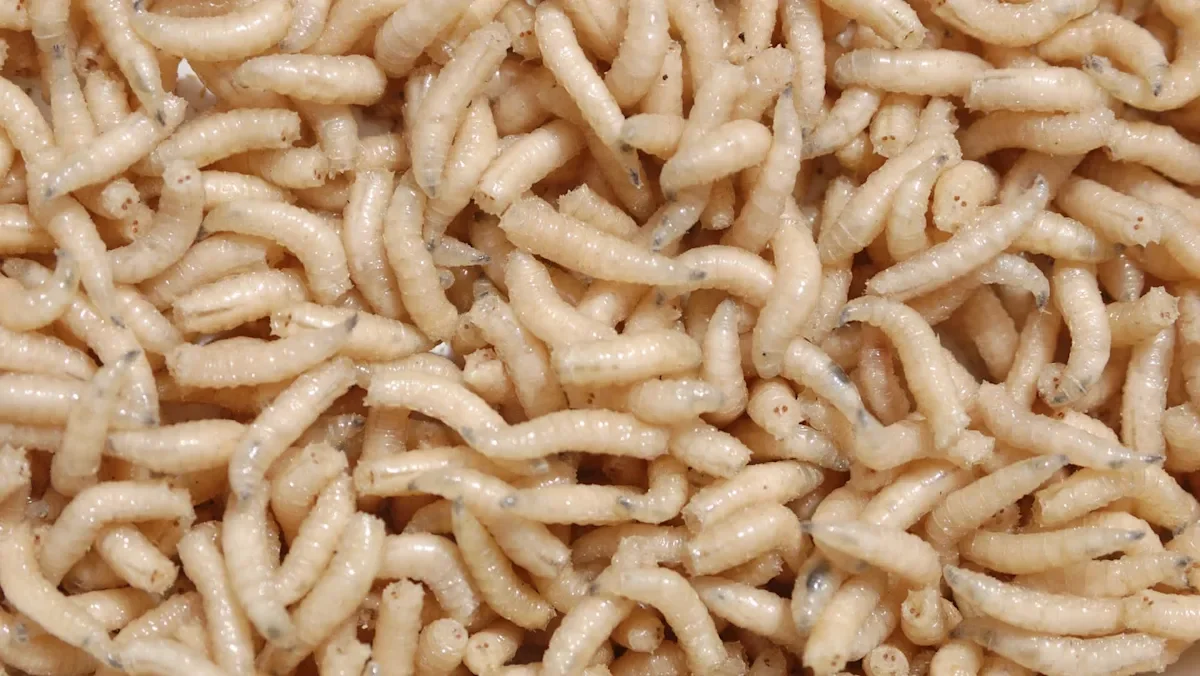
Researchers at Henan University of Technology found black soldier fly larvae can consume polyurethane foam and gain weight over a 16‑day trial, aided by a gut bacterium called Delftia sp. A2 that can break down polyurethane, suggesting new biological recycling approaches for hard‑to‑recycle plastics and reduced plastic waste.

Top Scientific Breakthroughs and Records of 2025
science10 months ago

Top Scientific Breakthroughs and Records of 2025

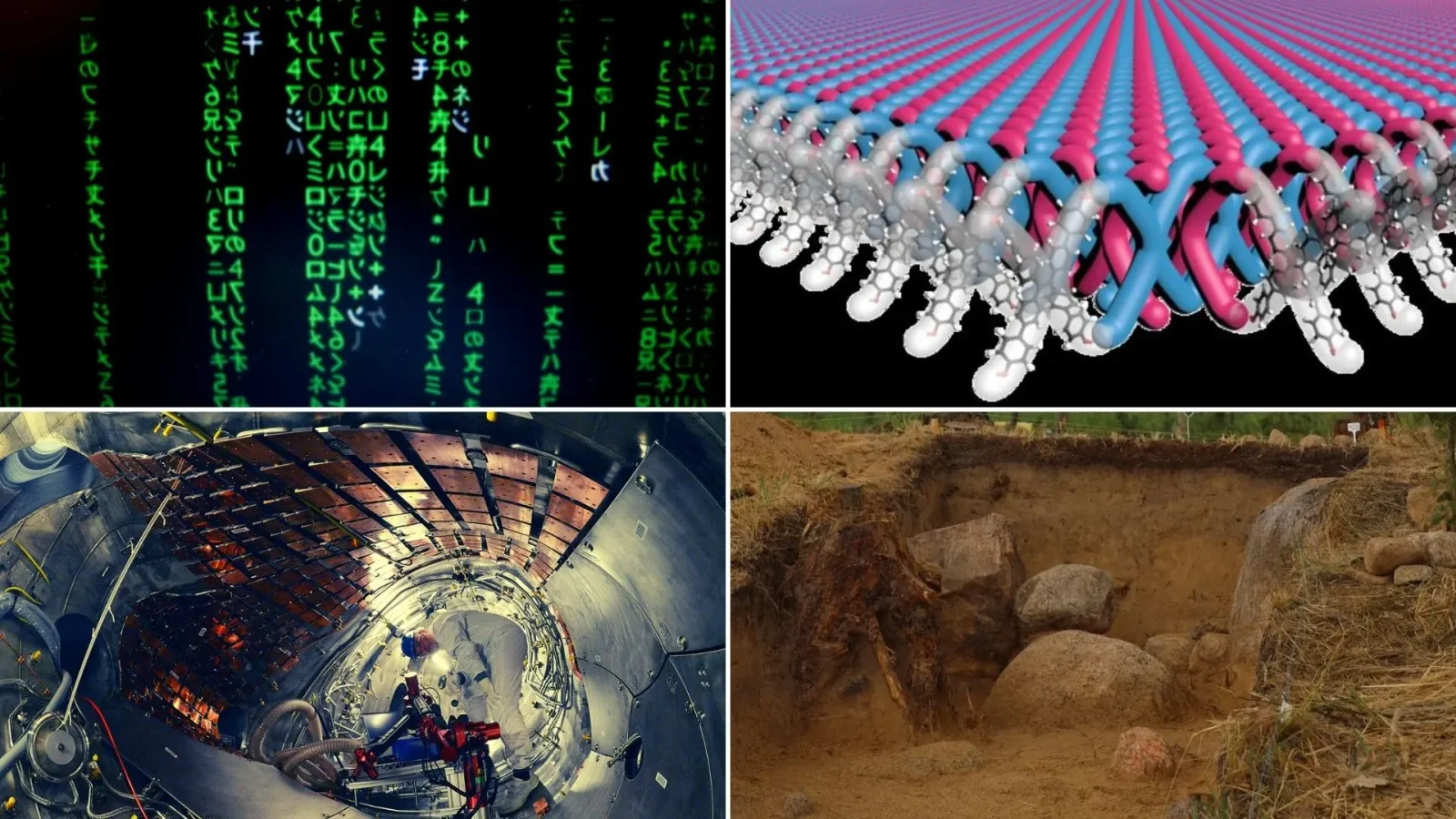
In 2025, groundbreaking discoveries across multiple fields included proving the universe isn't a simulation due to computational limits, developing a highly efficient plastic-to-fuel process, uncovering ancient Neolithic tombs in Poland, rediscovering a rare 'living fossil' mammal in Indonesia, achieving a fusion milestone with helium-3, creating the strongest-ever polymer armor, and solving a century-old wind turbine efficiency problem, all of which significantly advanced human understanding and technology.

Revolutionary Infinite Energy Source Promises Unlimited Power
science-and-technology1 year ago

Revolutionary Infinite Energy Source Promises Unlimited Power

Scientists have developed a new, more efficient method of converting plastic waste into fuel using pyrolysis, a process that heats plastic to high temperatures without oxygen. This breakthrough could potentially turn the massive plastic pollution problem into a nearly endless energy source, though concerns about its energy consumption and environmental impact remain.

Atlanta Inventor Julian Brown Disappears After Plastoline Breakthrough
world1 year ago

Atlanta Inventor Julian Brown Disappears After Plastoline Breakthrough

Julian Brown, a 21-year-old Atlanta inventor known for his plastic-to-gas technology, is not missing but is keeping a low profile for safety reasons, according to his mother. Rumors and social media speculation about his disappearance and potential danger have circulated, fueled by his last posts mentioning being under attack and a mysterious helicopter. Brown's mother confirmed he is safe but did not disclose further details, suggesting he may be in hiding due to perceived threats related to his innovative work.

Are Your Black Plastic Kitchen Utensils Safe?
health-and-environment2 years ago

Are Your Black Plastic Kitchen Utensils Safe?

A study published in "Chemosphere" reveals that black plastic kitchen utensils and other household items may contain toxic brominated flame retardants (BFRs) due to contamination from recycled electronic waste. These chemicals, which are persistent, bioaccumulative, and toxic, pose health risks such as hormone disruption and thyroid dysfunction. The study highlights the challenges in recycling black plastics and suggests using alternative materials like wood or stainless steel for kitchenware. Policy changes are needed to address the recycling of e-waste to prevent such contamination.