
Spain’s First Total Eclipse in a Century Faces Wildfire and Smoke Risks
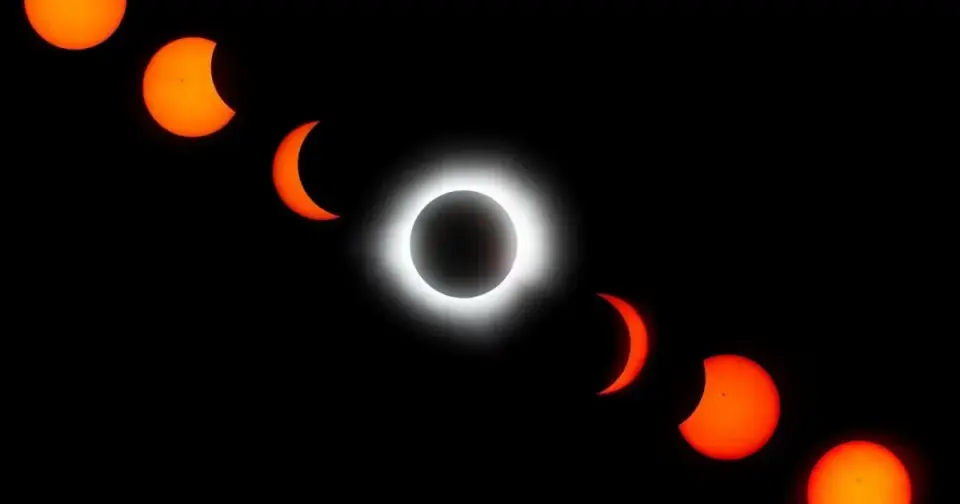
A total solar eclipse will cross northern Spain on August 12, 2026, marking the first such event on the mainland in over 100 years. While tourism is expected to surge, severe wildfires and smoke may obstruct views and pose health risks.
Key points
- The eclipse path covers 36 of Spain’s 50 provinces, with totality lasting up to 1 minute and 45 seconds in Castile and León.
- Spain expects 446,000 additional visitors between August 10 and 16, projected to generate 347.5 million euros in economic impact.
- Wildfires in Ávila and Guadalajara have burned over 82,000 hectares, creating extreme fire danger and poor air quality conditions.
- NASA is streaming the event live and conducting scientific experiments, including high-altitude aircraft flights and balloon launches in Iceland and Spain.
- Experts advise using masks and limiting outdoor exposure due to harmful particulate matter from smoke, though some areas may remain clear.
Background
This event follows the 2024 North American eclipse, which popularized eclipse tourism. Previous coverage noted that Spain’s last mainland total eclipse was in 1905. The current event is part of a broader trend of astrotourism, with travelers seeking natural wonders. Earlier reports highlighted practical viewing tips and public events in León, while Space.com noted weather challenges for observers in northern Spain.
How outlets are covering it
Metro emphasizes travel logistics, highlighting specific locations like Burgos, Palencia, and Valladolid, along with hotel prices and cultural attractions. It notes that northern Spain is facing wildfires but does not detail their impact on visibility. NASA focuses on scientific coverage, streaming the event and conducting experiments to study the solar corona and atmospheric effects. Time Magazine highlights the severe wildfire situation, noting that smoke and particulate matter could obstruct views and pose health risks, while also discussing economic impacts and government preparedness. The European Space Agency focuses on using the eclipse to test solar magnetic models and improve space weather forecasts, noting that the event provides a unique opportunity to validate simulations of the solar corona.
Why it matters
The eclipse is a rare astronomical event that draws global attention and significant tourism revenue. However, the concurrent wildfires pose a serious threat to public health and the visibility of the event, highlighting the intersection of natural phenomena and environmental challenges. The scientific experiments conducted during the eclipse will advance our understanding of the Sun’s magnetic environment and space weather forecasting.
What to watch
Viewers are advised to monitor weather and air quality conditions closely. NASA and ESA will provide live coverage and scientific data. Travelers should follow local authorities’ guidance regarding wildfire evacuations and air quality warnings. The economic impact on Spain’s tourism sector will be assessed in the weeks following the event.
- The 5 best places to watch the total solar eclipse on August 12 Metro.co.uk
- NASA Sets Coverage for August Northern Hemisphere Total Solar Eclipse nasa.gov
- Could Wildfires Overshadow Spain’s Solar Eclipse? Time Magazine
- Where To Get Safe Eclipse Glasses For The Aug. 12 Solar Eclipse Forbes
- Virtual totality ahead of the solar eclipse European Space Agency
Want the full story? Read the original reporting
Read on Metro.co.uk