
North Texas Weather: Clear Skies and Chilly Mornings Set Stage for Leonid Meteor Shower Peak
The Leonid meteor shower peaks between November 17 and 18, offering clear viewing conditions in North Texas despite chilly temperatures. While the International Meteor Organization predicts up to 15 meteors per hour under ideal conditions, NASA estimates a more conservative rate of fewer than three per hour. The shower, caused by debris from Comet 55P/Tempel-Tuttle, is best viewed in the pre-dawn hours when the moon sets and the radiant in Leo reaches its highest point.
Key points
- The Leonid meteor shower peaks overnight from November 17 to 18, with the best viewing time in the hours before dawn on November 18.
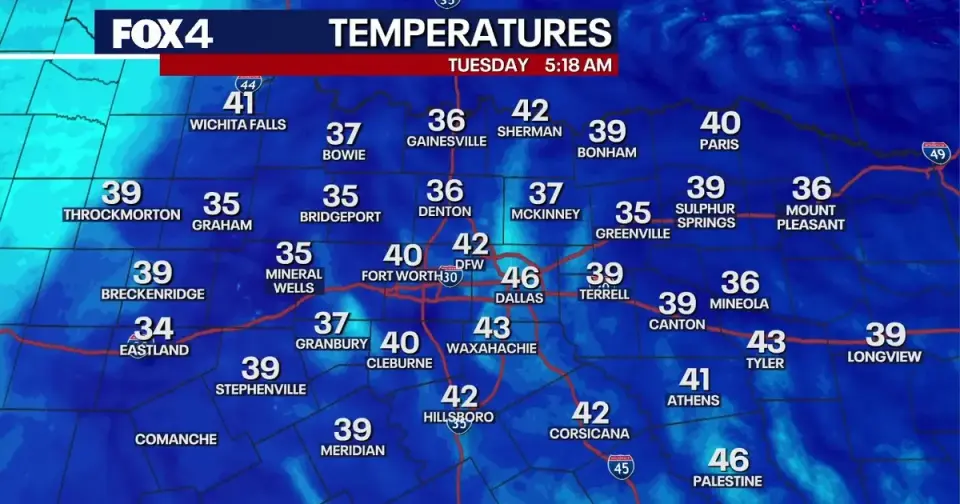
- North Texas experienced clear skies and low cloud cover on November 17, with morning temperatures in the 30s and 40s, creating ideal conditions for stargazing.
- Meteor rates vary by source: the International Meteor Organization predicts up to 15 meteors per hour, while NASA estimates fewer than three per hour.
- The shower is caused by Earth passing through debris left by Comet 55P/Tempel-Tuttle, which orbits the sun every 33 years.
- The waxing moon sets early, improving visibility for fainter meteors in the pre-dawn hours.
Background
The Leonid meteor shower has been active since November 6 and is expected to continue through the end of the month. Historically, the shower has produced spectacular storms, such as the 1966 event, but recent decades have seen lower rates due to the parent comet's distance from the sun. The 2026 peak is part of a recurring annual event, with future storms potentially occurring as early as 2031.
How outlets are covering it
FOX 4 News Dallas-Fort Worth emphasizes the clear skies and chilly temperatures in North Texas, highlighting the local conditions for viewing the shower. Space.com provides a detailed breakdown of the meteor rates, noting the discrepancy between the International Meteor Organization's 15 meteors per hour and NASA's fewer than three per hour. The New York Times focuses on the low observation rate and the impact of the moon's 41% illumination on visibility. Sky & Telescope offers a broader astronomical context, including the positions of Jupiter and Mars in Leo and the best times for viewing the shower.
Why it matters
The Leonid meteor shower is a significant astronomical event that offers a rare opportunity to observe fast, bright meteors with long tails. Despite the modest rates this year, the clear skies in North Texas provide an ideal setting for stargazers. Understanding the discrepancies in meteor rate predictions highlights the complexity of predicting such events and the importance of local conditions in observing them.
What to watch
The Leonid meteor shower will continue through the end of November, with the best viewing opportunities in the pre-dawn hours. Future storms are predicted as early as 2031, with potentially spectacular displays in 2033 and 2034. North Texas is expected to see a warming trend into Wednesday, with afternoon highs reaching 70 degrees, before a cold front arrives Saturday night.
- Dallas Weather: Clear skies, chilly temperatures and Leonid meteor shower peak FOX 4 News Dallas-Fort Worth
- The Leonid meteor shower peaks tonight! Here's what you need to know Space
- How to Watch the 2026 Leonids Meteor Shower The New York Times
- This Week's Sky at a Glance, November 13 – 22 Sky & Telescope
- Leonid meteor shower 2026: When and where to see it from where you live Al Jazeera
Want the full story? Read the original reporting
Read on FOX 4 News Dallas-Fort Worth