
UK Faces Partial Solar Eclipse on August 12, Driving Safety Warnings and Eyewear Shortages
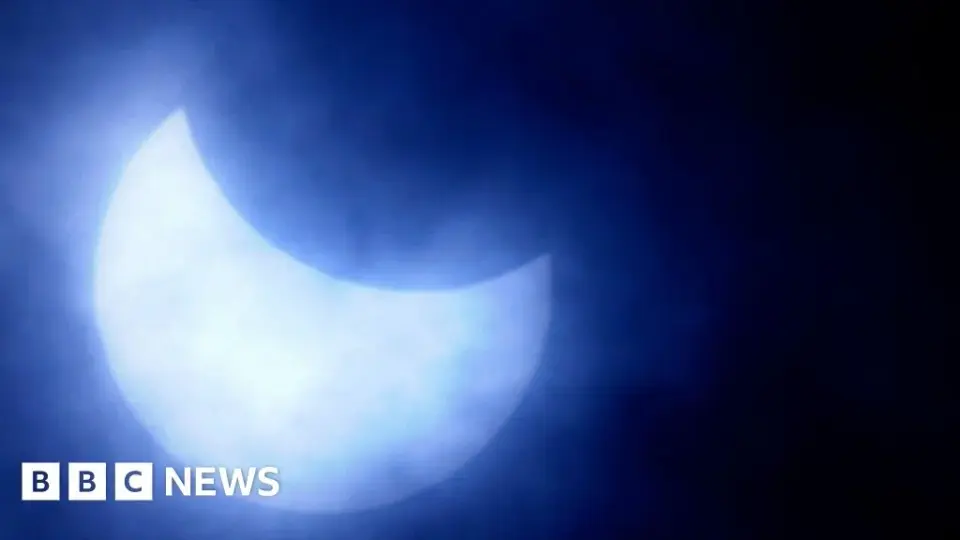
A partial solar eclipse will cover up to 95% of the sun in the UK on August 12, 2026. While the event is not a total eclipse, it is the most significant visible from the UK since 1999. Experts warn against naked-eye viewing due to permanent eye damage risks, leading to a shortage of certified eclipse glasses across the country.
Key points
- The partial eclipse will occur on the evening of Wednesday, August 12, 2026, with maximum coverage in North West England at approximately 19:10 BST.
- Up to 96% of the sun will be obscured in parts of the UK, marking the highest coverage since the 1999 eclipse and the most extensive for the next 54 years.
- Totality will be visible only in parts of northern Russia, Greenland, Iceland, Portugal, and Spain, not in the UK.
- The Royal Observatory Greenwich has sold out of eclipse glasses, and high street retailers report stock shortages due to unprecedented demand.
- Medical experts warn that looking at the sun without certified protection can cause permanent retinal damage, as the retina lacks pain receptors.
- Alternative viewing methods, such as pinhole projectors or observing shadows, are recommended for those without specialized eyewear.
Background
This event follows the 1999 total solar eclipse, which was the last time such high coverage was visible from the UK. The next comparable UK eclipse is not expected until 2081. Recent weather forecasts for the region have not indicated significant cloud cover that would obstruct the view, though local conditions may vary.
How outlets are covering it
BBC and NBC News emphasize the astronomical significance of the event, noting it is the most extensive partial eclipse for the UK in over two decades. CNN focuses on the meteorological impact, explaining that the eclipse will cause temporary drops in temperature and wind speed, though these effects will be less dramatic in the UK than in areas experiencing totality. The Guardian highlights the consumer side, reporting on the severe shortage of certified eclipse glasses and the public's last-minute rush to purchase them. While BBC and NBC provide viewing times and locations, The Guardian details the logistical challenges of obtaining safe viewing equipment, and CNN offers scientific context on how the eclipse affects local weather patterns.
Why it matters
The event presents a unique opportunity for public engagement with astronomy but also poses significant health risks if viewed improperly. The widespread shortage of protective eyewear underscores the need for public education on safe viewing practices. Additionally, the temporary weather changes, though minor in the UK, demonstrate the direct link between solar radiation and atmospheric conditions.
What to watch
The eclipse will conclude by 20:04 BST in North West England. Following the event, the next total solar eclipse visible from parts of Europe will not occur until August 2, 2027. In the UK, the next comparable partial eclipse is not expected until 2081. Public interest is expected to remain high for the upcoming Perseid meteor shower, which peaks around the same time.
- Solar eclipse: Where and when you can see it across North-West England BBC
- How this week’s solar eclipse will alter the weather CNN
- Rush to find solar eclipse glasses as UK high street stocks run short The Guardian
- Total solar eclipse to cross parts of Europe this week, with some U.S. states getting a partial eclipse NBC News
- Solar eclipse tracker: What time will it hit your location on August 12? Al Jazeera
Want the full story? Read the original reporting
Read on BBC