
NASA bets on nuclear propulsion to slash Mars journeys
TL;DR
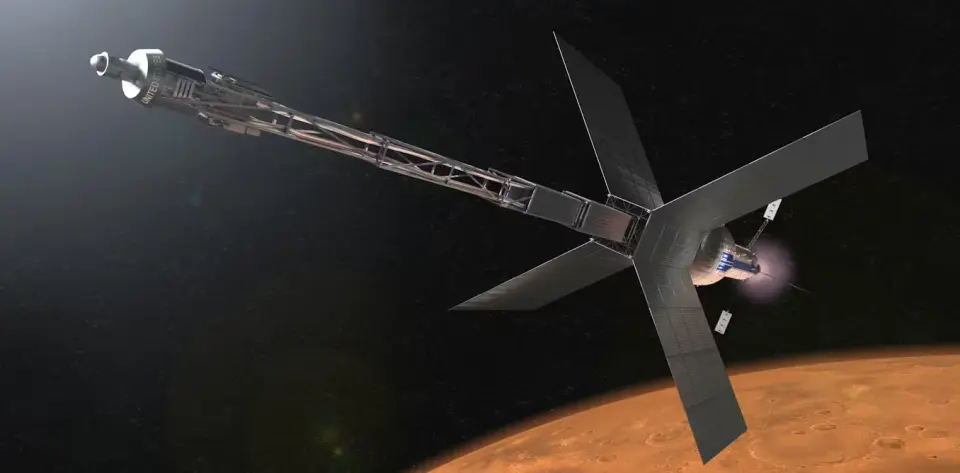
NASA is accelerating nuclear propulsion efforts to shrink the Mars trip from more than six months to roughly three to four months, using nuclear thermal propulsion for high thrust and nuclear electric propulsion (ion thrusters) for fuel-efficient, long-duration power. The uncrewed SR-1 Freedom mission is planned for 2028 to test nuclear-powered deep-space travel and deploy Skyfall drones, aiming to prove the technology for future crewed missions. While offering shorter radiation exposure and more launch-window flexibility, the program faces safety, regulatory, and integration challenges before human flights.
Topics:sciencescience-tech#electric-propulsion#mars#nasa#nuclear-propulsion#science-tech#sr-1-freedom
- Nasa bets big on nuclear engines to cut journey times to Mars The Conversation
- NASA's experimental ion engine passes major test, bringing Mars mission closer New Atlas
- NASA wants to fly a nuclear-powered spacecraft to Mars before 2028 ends, and the real test is whether Jared Isaacman can push the agency past its 60-year nuclear-space stall Space Daily
- NASA Administrator on Moon, Mars, and Nuclear Power StartupHub.ai
- NASA Successfully Tests Powerful Plasma Engine That Could Cut Mars Travel Time | BulletsIn Dailyhunt
Want the full story? Read the original reporting
Read on The Conversation