Tag

Electric Propulsion

All articles tagged with #electric propulsion

Lithium-Powered Thruster Sets US Record, Advancing Crewed Mars Missions
technology18 hours ago

Lithium-Powered Thruster Sets US Record, Advancing Crewed Mars Missions

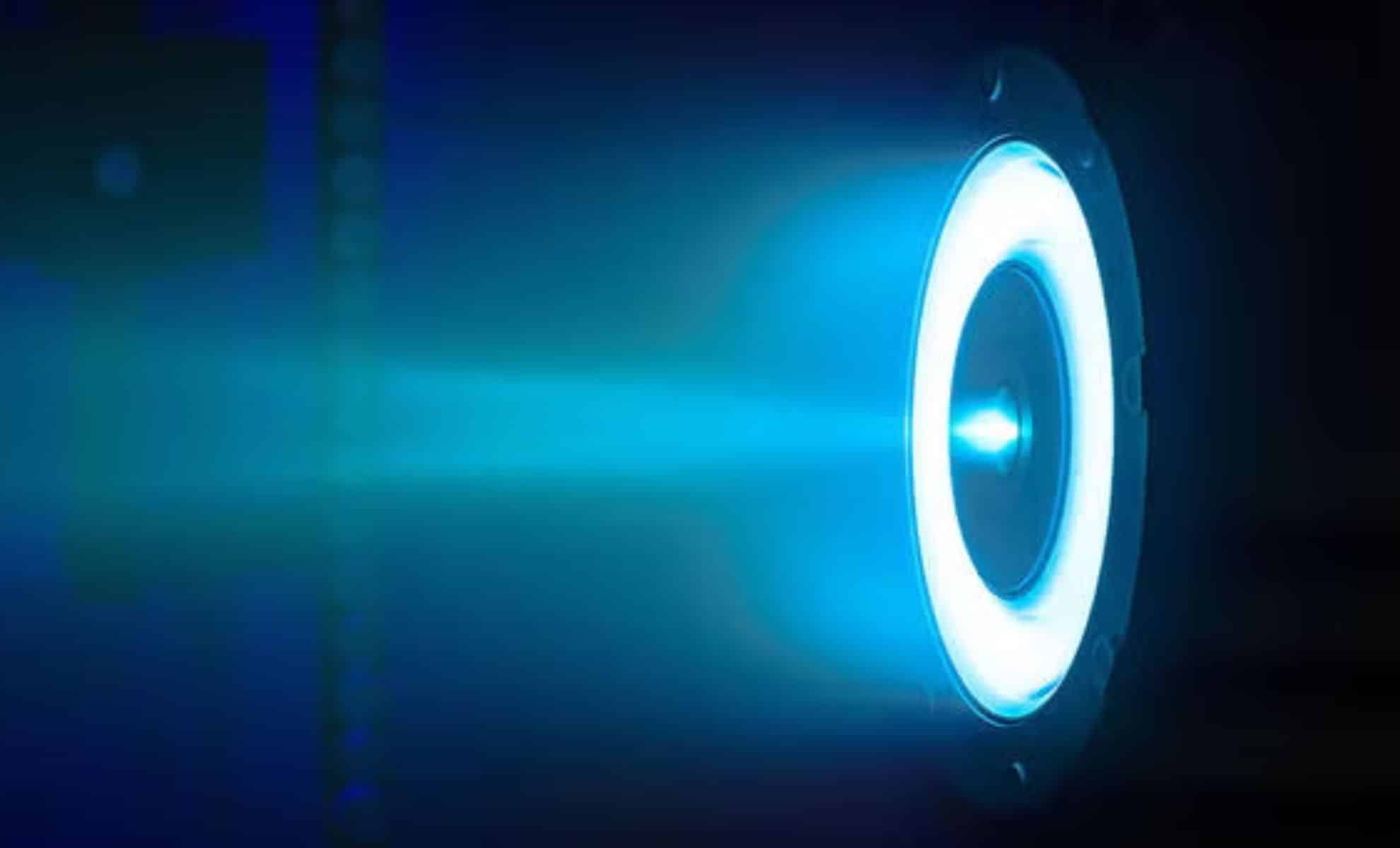
NASA’s next‑gen electric propulsion thruster using lithium metal vapor set a US power record at 120 kilowatts, signaling major progress toward fuel‑efficient, long‑duration missions to Mars. While such systems could drastically cut propellant needs and enable faster transit, a crewed Mars mission would still demand multi‑megawatt power and thousands of hours of operation to manage cruise and surface phases, underscoring both promise and engineering challenges for future deep‑space travel.

NASA bets on nuclear propulsion to slash Mars journeys
science-tech13 days ago

NASA bets on nuclear propulsion to slash Mars journeys

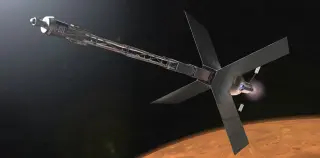
NASA is accelerating nuclear propulsion efforts to shrink the Mars trip from more than six months to roughly three to four months, using nuclear thermal propulsion for high thrust and nuclear electric propulsion (ion thrusters) for fuel-efficient, long-duration power. The uncrewed SR-1 Freedom mission is planned for 2028 to test nuclear-powered deep-space travel and deploy Skyfall drones, aiming to prove the technology for future crewed missions. While offering shorter radiation exposure and more launch-window flexibility, the program faces safety, regulatory, and integration challenges before human flights.

NASA Demonstrates Record-Setting Lithium Plasma Thruster for Future Mars Missions
technology17 days ago

NASA Demonstrates Record-Setting Lithium Plasma Thruster for Future Mars Missions

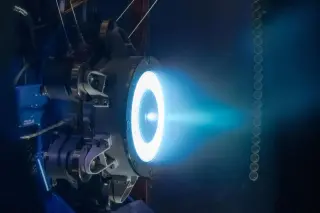
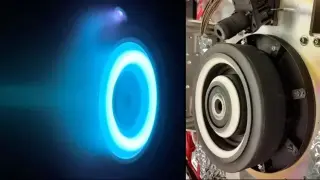
NASA's JPL has demonstrated a record-high 120 kW lithium-fed magnetoplasmadynamic plasma thruster, the most powerful electric propulsion test in the U.S., signaling progress toward megawatt-class systems for crewed Mars missions. Electric propulsion offers substantial propellant savings and continuous thrust; researchers aim to scale to hundreds of kilowatts to megawatts and, potentially with nuclear power, enable multi-thruster propulsion for long-duration deep-space flights.

NASA Trials Groundbreaking Liquid-Lithium Engine for Mars Mission
space23 days ago

NASA Trials Groundbreaking Liquid-Lithium Engine for Mars Mission

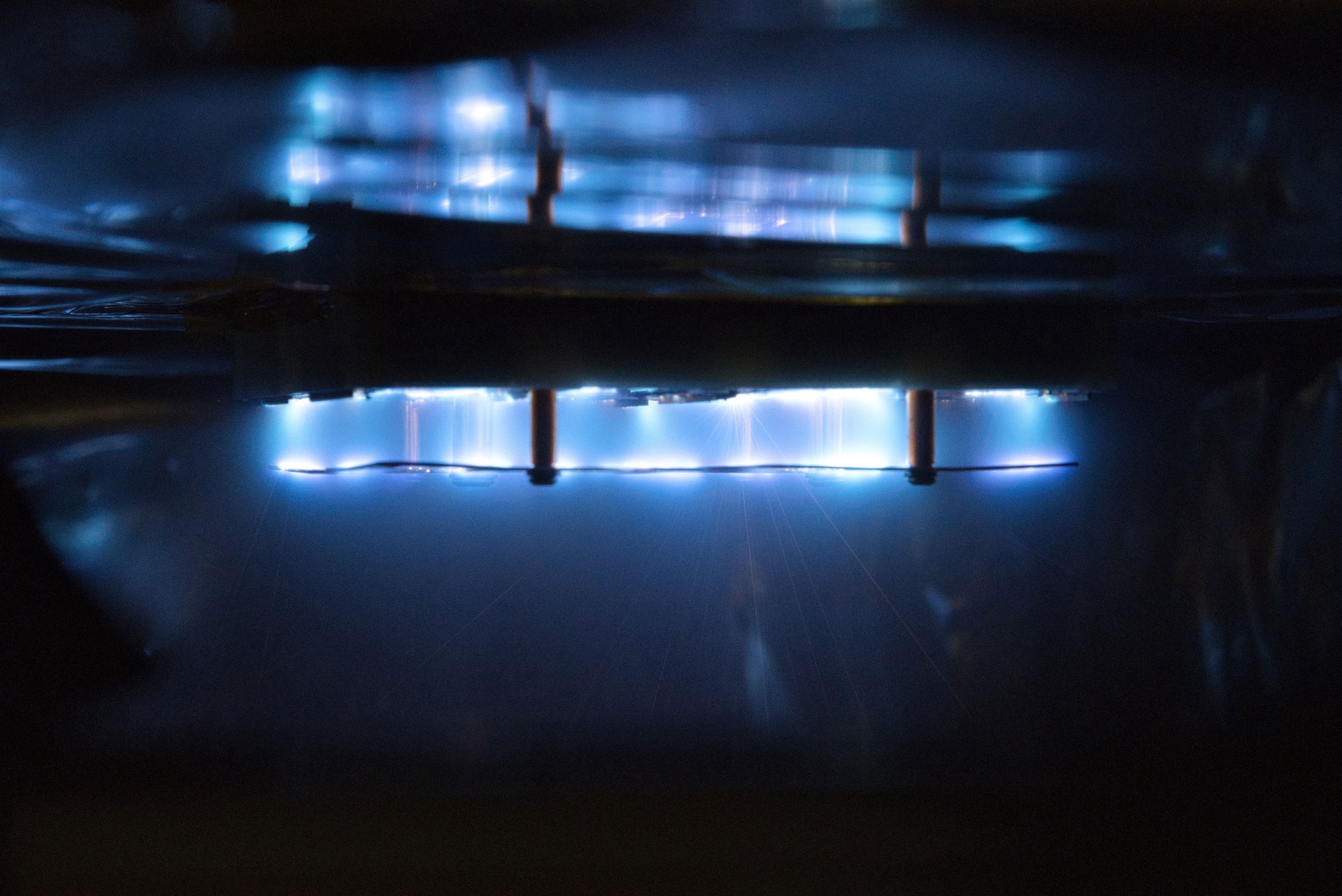
NASA completed high-power tests of a liquid-lithium, magnetoplasmadynamic thruster at up to 120 kilowatts, a major step toward crewed Mars propulsion. Lithium promises higher exhaust velocities and reduced propellant mass versus xenon, but handling molten lithium and corrosion pose severe engineering challenges. Next steps include thousands of hours of endurance testing and scaling toward megawatt-class power (2–4 MW) for long-duration deep-space missions.

NASA fires up lithium-fed electric thruster, pushing toward megawatt-scale Mars propulsion
space25 days ago

NASA fires up lithium-fed electric thruster, pushing toward megawatt-scale Mars propulsion

NASA successfully tested a lithium-fed magnetoplasmadynamic (MPD) thruster at up to 120 kilowatts—the highest power achieved in U.S. electric propulsion tests—demonstrating the thruster’s viability and laying groundwork for megawatt-class, potentially nuclear-powered propulsion to enable crewed Mars missions; future tests aim to reach 500 kW–1 MW per thruster with multiple units operating for extended durations.

NASA tests lithium-metal electric thruster, hits 120 kW power in breakthrough propulsion demo
technology26 days ago

NASA tests lithium-metal electric thruster, hits 120 kW power in breakthrough propulsion demo

NASA’s Jet Propulsion Laboratory demonstrated a lithium-metal vapor electric thruster and set a 120 kW power record, marking a major step toward high‑power, fuel‑efficient propulsion for future crewed Mars missions. While the tech promises substantial propellant savings, a real Mars mission would require multi‑megawatt power and thousands of hours of operation to enable transit, landing, and return; scaling the system remains the key challenge.

NASA Fires Up Lithium Plasma Engine to Accelerate Mars Missions
science27 days ago

NASA Fires Up Lithium Plasma Engine to Accelerate Mars Missions

NASA and JPL successfully fired a lithium-fed magnetoplasmadynamic thruster at 120 kilowatts—the highest power reached by a U.S. electric propulsion system—validating ignition and stable operation at high power and advancing the path to megawatt-class propulsion for crewed Mars missions, though challenges remain in material durability, thermal management, and scaling for long-duration flights.

NASA Demonstrates High-Power Lithium Electric Thruster for Mars-Mmission Ambitions
technology28 days ago

NASA Demonstrates High-Power Lithium Electric Thruster for Mars-Mmission Ambitions

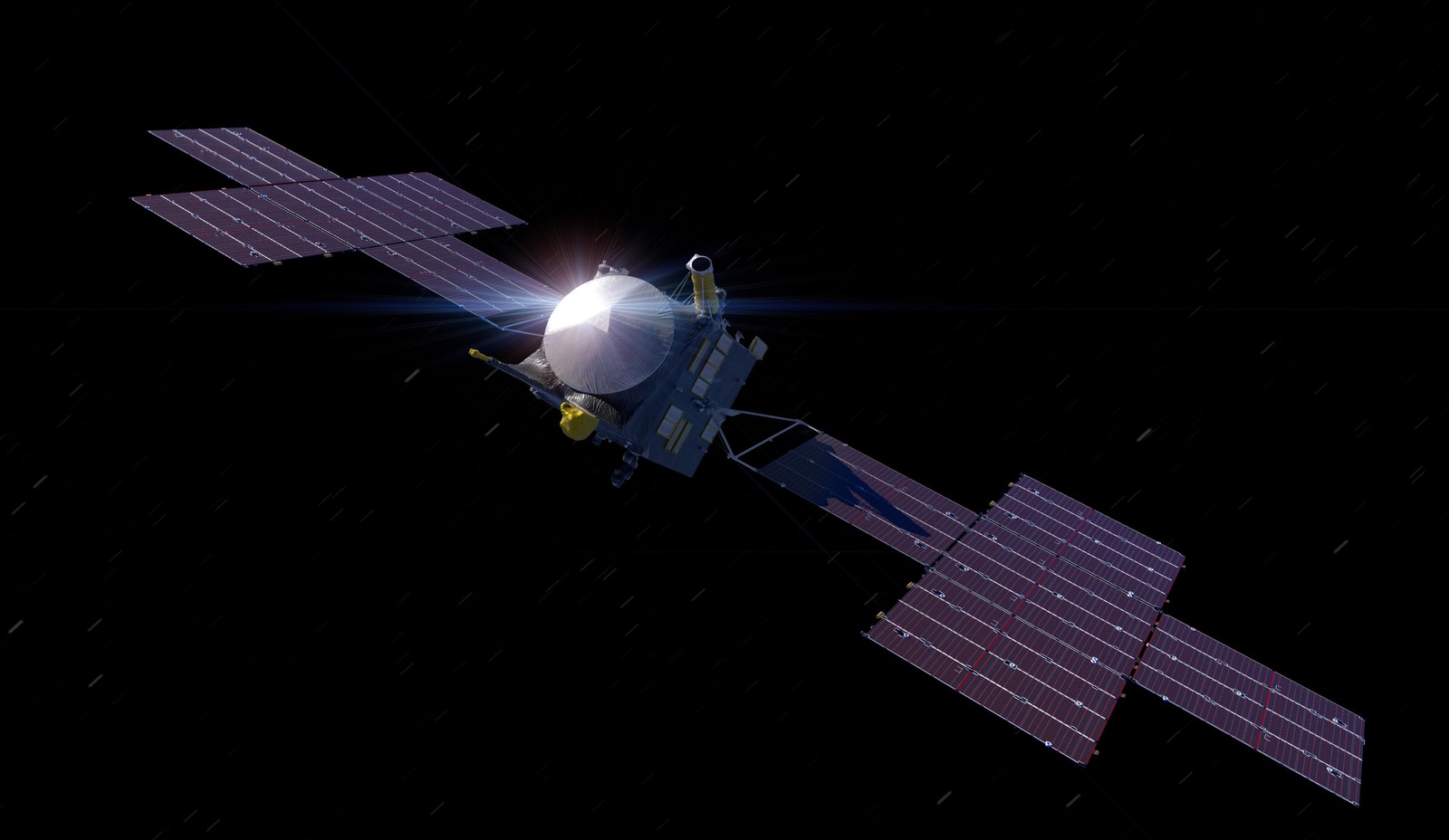
NASA’s Jet Propulsion Laboratory successfully tested a lithium-fed magnetoplasmadynamic thruster in February 2026, achieving up to 120 kilowatts—over 25 times the power of the Psyche mission’s thrusters and the highest power for U.S. electric propulsion tests. The data from this milestone will guide scaling toward megawatt-class systems, which could power future nuclear-electric propulsion for crewed Mars missions and require multiple thrusters with robust heat tolerance for long-duration operation (potentially 2–4 MW total).

Innovative SpinLaunch System Sparks Global Space Tensions
science-and-technology11 months ago

Innovative SpinLaunch System Sparks Global Space Tensions

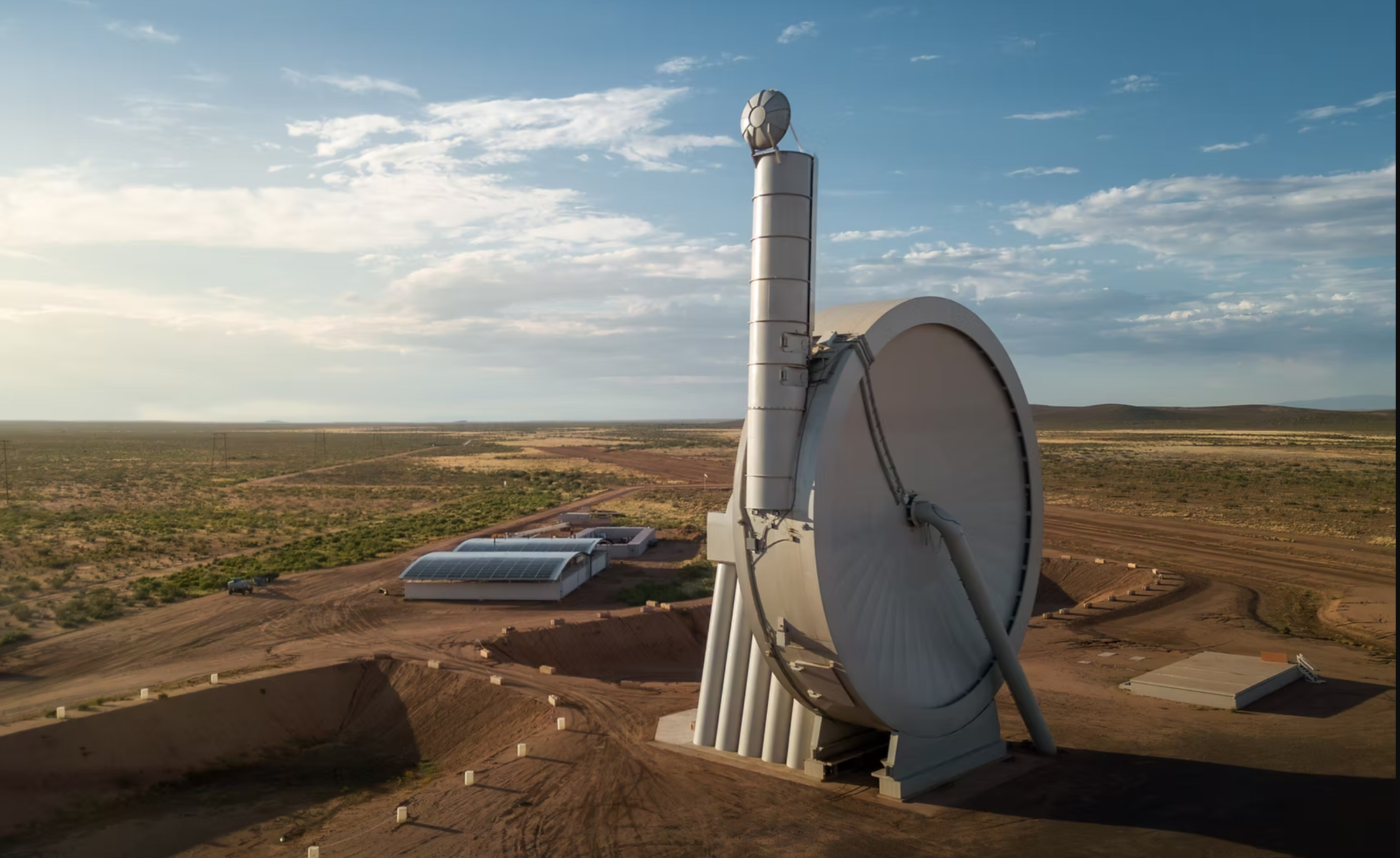
SpinLaunch, a California startup, has developed a revolutionary electric-powered system that uses a giant slingshot mechanism to launch satellites into orbit, aiming to reduce costs and environmental impact compared to traditional rocket launches. The system relies on a rotating arm inside a vacuum chamber to fling small satellites into low Earth orbit, with successful tests already conducted and plans for a full-scale launch site underway. This innovative approach draws on ancient physics and modern materials, representing a significant shift in space launch technology.

"First Electric Thruster Successfully Tested by Benchmark Space Systems"
space-technology2 years ago

"First Electric Thruster Successfully Tested by Benchmark Space Systems"

Benchmark Space Systems has successfully flown its first electric thruster, the Xantus, on the Electro-Optical/Infrared (EO/IR) Weather Systems (EWS) demonstration cubesat. The thruster, acquired through the company's acquisition of Alameda Applied Science Corporation, uses molybdenum as propellant and is expected to be used for end-to-end spacecraft operations, including deorbiting. Benchmark plans to produce more than 50 units this year, with a focus on serving the microsat and ESPA-class spacecraft market.

"Italy Breaks Records with Electric Propulsion in Space Operations"
science-and-technology2 years ago

"Italy Breaks Records with Electric Propulsion in Space Operations"

Italy's SITAEL, a private space company, has achieved a major milestone with the successful launch and operation of the first Italian all-electric satellite, "MicroHETSat", designed and built for the European Space Agency. The satellite, equipped with electric propulsion thrusters, was launched aboard a SpaceX Falcon-9 mission and is now in full operation. SITAEL's Managing Director, Marco Molina, highlights the company's growth and collaboration with Italian and European space agencies, as well as its plans to expand production capabilities and provide turnkey solutions for satellite missions.

"Breakthrough Test Success: Unleashing Unprecedented Power in Ion Engine for Gateway"
space-technology2 years ago

"Breakthrough Test Success: Unleashing Unprecedented Power in Ion Engine for Gateway"

NASA and Aerojet Rocketdyne have successfully completed qualification testing of the Advanced Electric Propulsion System (AEPS), the most powerful electric propulsion thruster currently being manufactured. AEPS, a 12-kilowatt solar electric propulsion engine, uses ionized xenon gas to produce a longer duration and more efficient thrust compared to traditional chemical propulsion. The goal is to use AEPS on NASA's Gateway space station, providing power, propulsion, and communication capabilities. AEPS could also be used for deep space missions in the future.

"Exploring the Origins of ESA: A Journey Before the Vacuum"
science-and-technology2 years ago

"Exploring the Origins of ESA: A Journey Before the Vacuum"

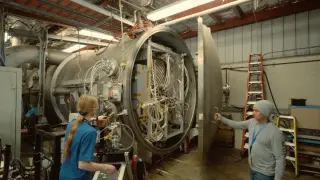
Engineers at the ESA Propulsion Laboratory are using the CORONA test facility, the largest vacuum chamber, to evaluate a compact electric propulsion design for microsatellites and CubeSats. Electric propulsion, which achieves high efficiency by accelerating propellant through electrical or magnetic methods, requires vacuum conditions for operation. The test chambers are equipped with pumps and coolers to create a vacuum environment. The lab also conducts testing for cold gas thrusters and liquid flow, and aims to accelerate the development of propulsion systems, simulation tools, and training for the next generation of engineers.