
Post-Dinosaur Era: How Giant Flightless Birds Filled Ecological Voids
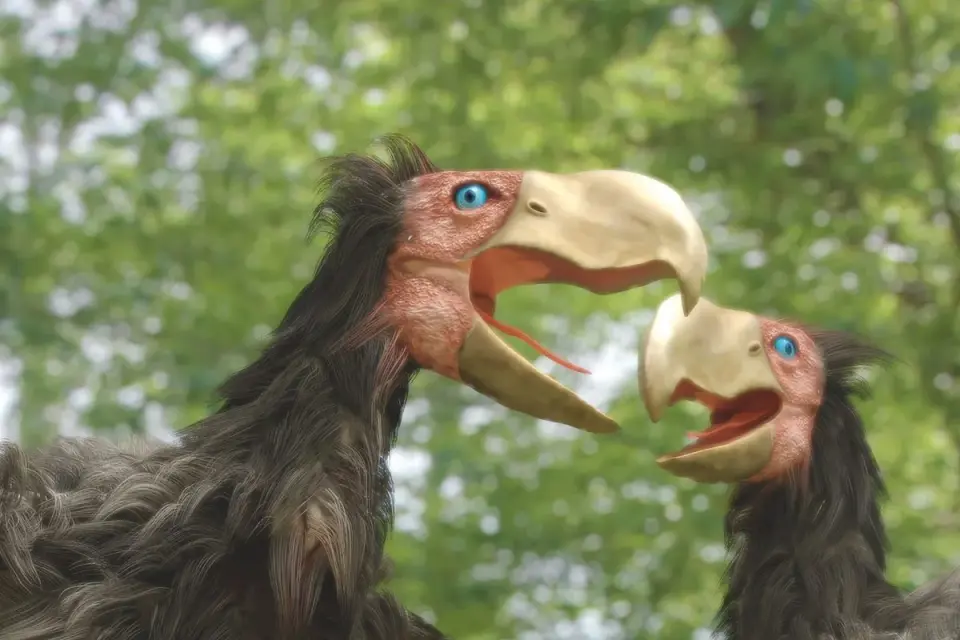
Following the asteroid impact 66 million years ago, birds evolved into massive, often flightless forms to occupy ecological niches left vacant by non-avian dinosaurs. These included South American terror birds, Malagasy elephant birds, and Australian demon ducks, which dominated ecosystems for millions of years before facing extinction due to climate change or human activity.
Key points
- The asteroid impact 66 million years ago wiped out 75% of species, leaving ecological gaps that birds eventually filled by evolving into large, ground-dwelling forms.
- Terror birds in South America, such as Kelenken, reached 3 meters in height and 350kg in weight, acting as apex predators for over 40 million years.
- Elephant birds on Madagascar were the largest birds ever, weighing up to 730kg and laying eggs the size of watermelons, but went extinct around 900 years ago due to human impact.
- Demon ducks in Australia, weighing up to 725kg, were herbivores that went extinct within a few thousand years of human arrival, evidenced by charred eggshells at archaeological sites.
- Gastornis and Diatryma, once thought to be carnivorous, are now confirmed as herbivores based on bone chemistry, having dominated European and North American food webs for millions of years.
- Moa birds in New Zealand persisted until approximately 700-800 years ago, maintaining dominance in the absence of mammals, with extreme sexual size dimorphism.
Background
Recent studies highlight that birds are a living lineage of theropod dinosaurs that survived the mass extinction, with four lineages giving rise to over 11,000 species. Ecological competition with small mammals may have prevented non-avian dinosaurs from shrinking, while flight allowed birds to exploit new niches. The fossil record remains sparse, with estimates suggesting billions of dinosaurs lived, but only a tiny fraction are preserved, limiting our understanding of pre-extinction ecosystems.
Why it matters
Understanding how birds adapted to fill ecological voids after the Cretaceous-Paleogene extinction event provides insights into evolutionary resilience and the impact of human activity on large animal populations. It also challenges previous assumptions about prehistoric bird diets and behaviors, such as the herbivorous nature of Gastornis, and highlights the vulnerability of large, slow-reproducing species to environmental changes and human arrival.
What to watch
Further research may reveal more about the pelagornithid extinction and whether new species will evolve to fill the empty hang-glider niche. Continued study of fossil DNA and bone chemistry could provide more details on the diets and behaviors of extinct giant birds, while archaeological evidence may uncover more about human interactions with species like demon ducks and elephant birds.
Want the full story? Read the original reporting
Read on BBC Science Focus Magazine