Tag

Mass Extinction

All articles tagged with #mass extinction

Cosmic Flybys May Have Triggered Earth’s Mass Extinctions, New Theory Suggests
science17 days ago

Cosmic Flybys May Have Triggered Earth’s Mass Extinctions, New Theory Suggests

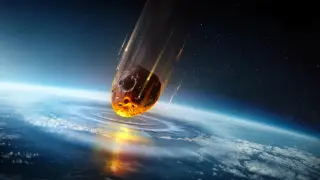
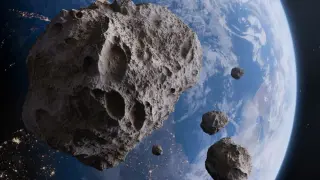
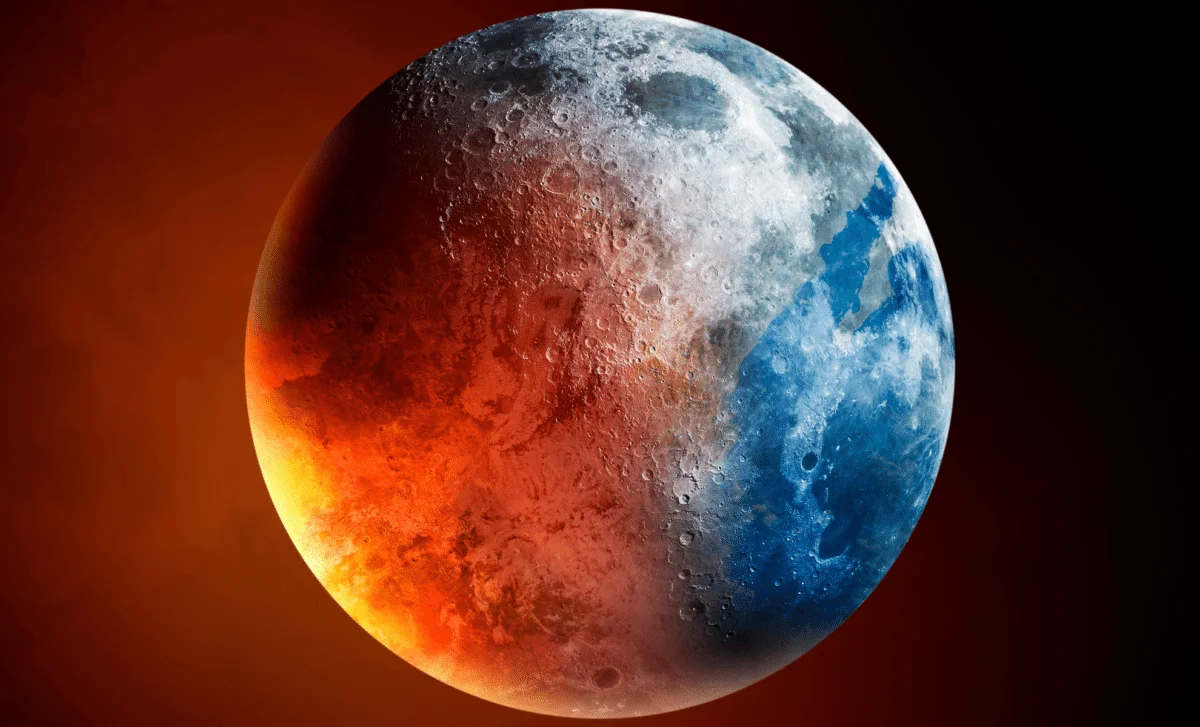
A new preprint by Daniele Fargion proposes that flybys of planetary-mass objects in the outer Solar System could generate strong tides, volcanism, and climate upheavals on Earth, contributing to past mass extinctions beyond the Chicxulub event. The idea emphasizes tidal effects from near-passages (not direct collisions) and links several geological anomalies to such events; the hypothesis is controversial and based on correlations in the geological record. The paper, presented in 2025 and available on arXiv, underscores the possibility that distant, massive objects occasionally influence Earth’s history.

A vivid reconstruction of the asteroid that ended the dinosaurs
science1 month ago

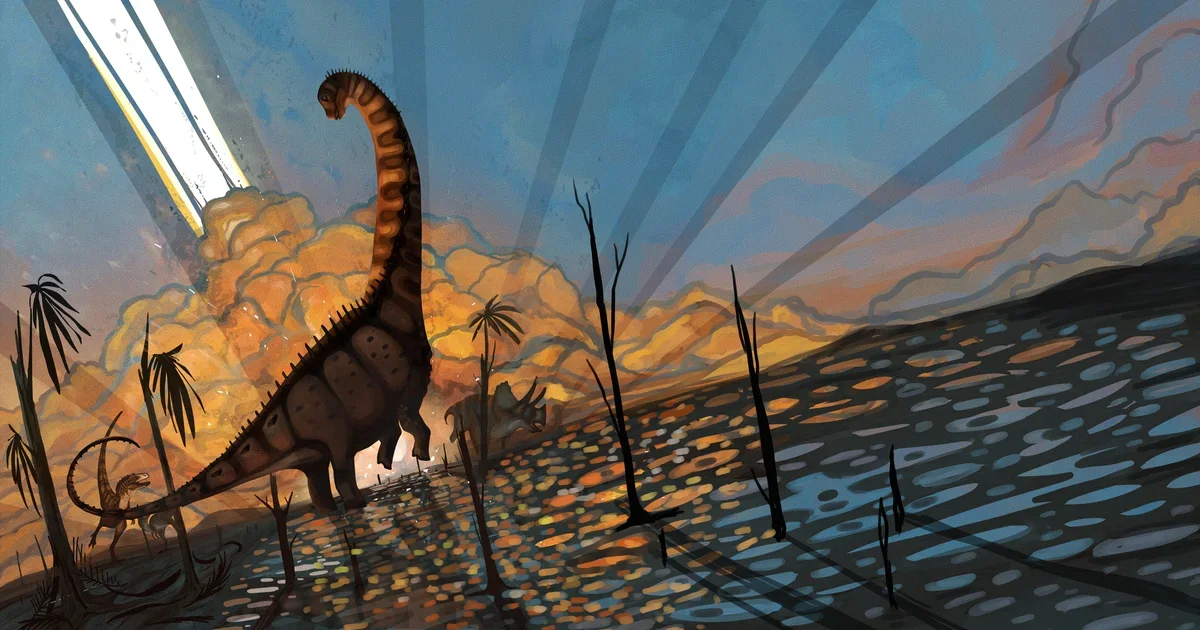
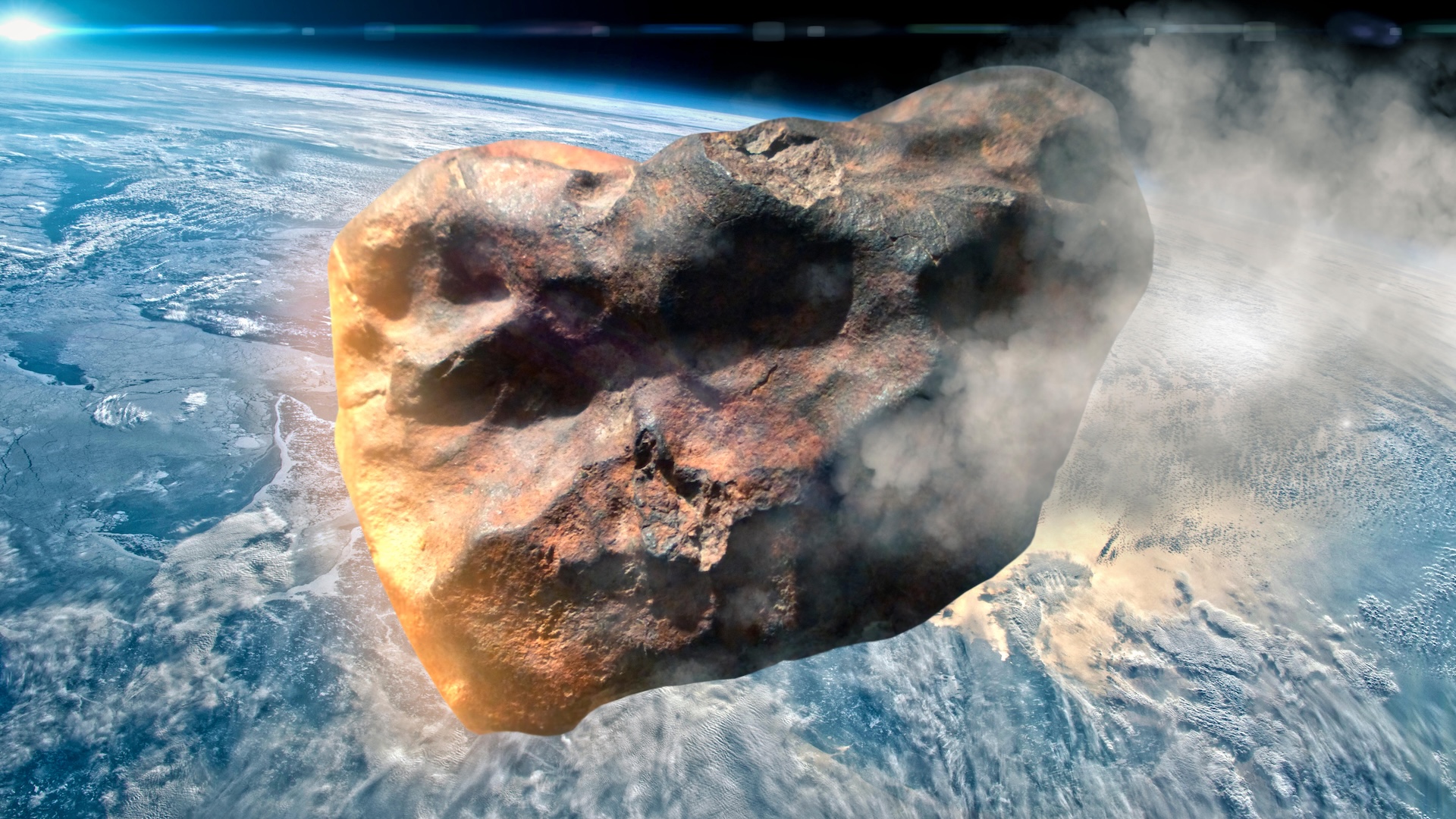
A vivid reconstruction of the asteroid that ended the dinosaurs

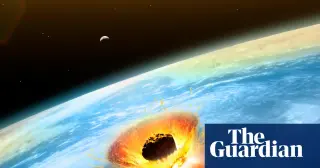
A Conversation-style piece relays a vivid imagined account by Michael Benton and Monica Grady of the meteorite impact that ended the dinosaurs 66 million years ago: a bright fireball, a sonic boom, mega-tsunamis, and dust-darkened skies that plunge Earth into a decade-long winter, wiping out about 75% of species. The article also warns that humanity’s burning of fossil fuels could trigger a comparable planetary catastrophe.

Ancient seas reveal a deadlier first mass extinction
science3 months ago

Ancient seas reveal a deadlier first mass extinction

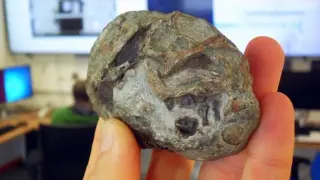
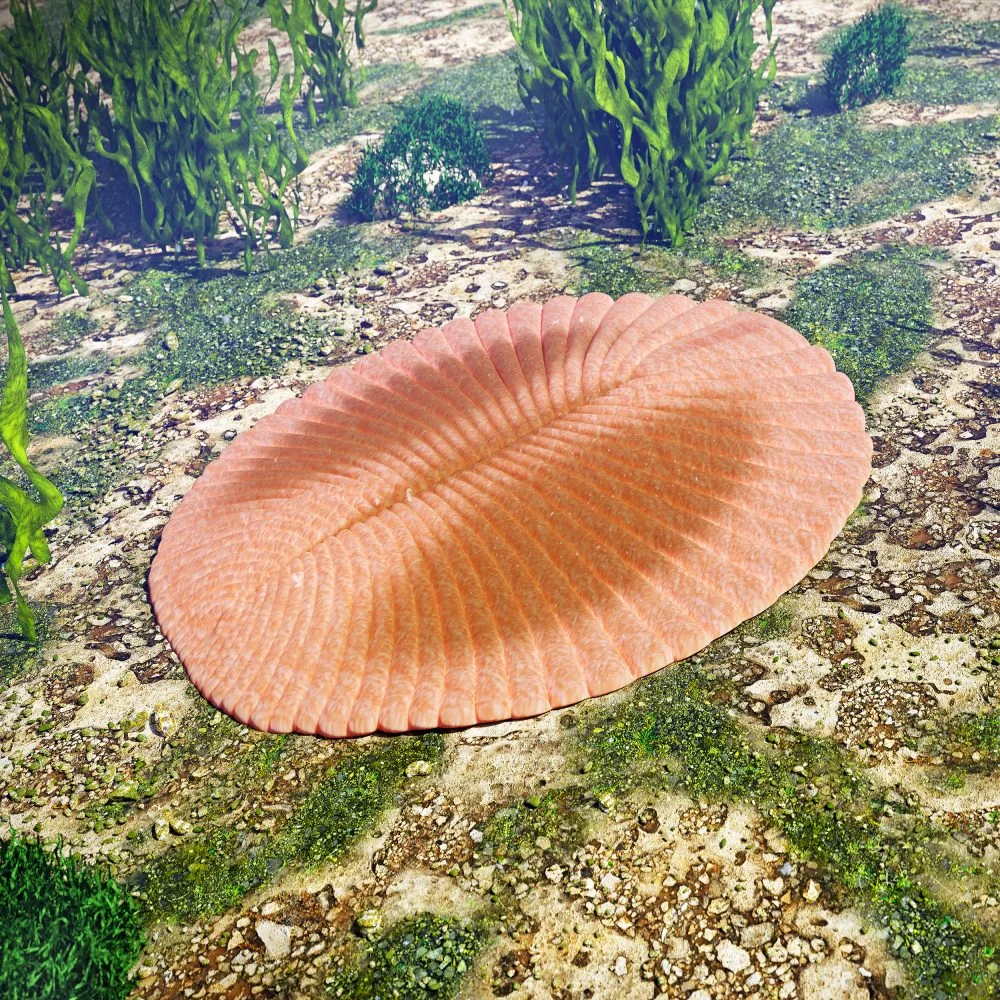
Fossils from Inner Meadow, eastern Canada, dated to about 551 million years ago, indicate the Kotlin Crisis was far more severe and rapid than previously believed, with about 80% of known macroorganisms disappearing in a single pulse, as overlapping Avalon-type biotas suggest abrupt turnover possibly tied to declining ocean oxygen ahead of the Cambrian explosion.

Ancient Ocean Collapse Was Faster and Deadlier Than Previously Believed
science4 months ago

Ancient Ocean Collapse Was Faster and Deadlier Than Previously Believed

New fossils from Inner Meadow in eastern Canada suggest Earth's earliest mass extinction, the Kotlin Crisis, about 550 million years ago, occurred abruptly and was far more deadly than previously thought, wiping out roughly 80% of large organisms. Evidence points to an oxygen-depleted ocean and environmental stressors, with exceptional Lagerstätten preservation helping to precisely date the event and prompting researchers to reassess the pace and causes of early ecosystem collapse.

Earth May Reassemble into a New Supercontinent, Bringing Drastic Climate Shifts and Extinction Risks
science4 months ago

Earth May Reassemble into a New Supercontinent, Bringing Drastic Climate Shifts and Extinction Risks

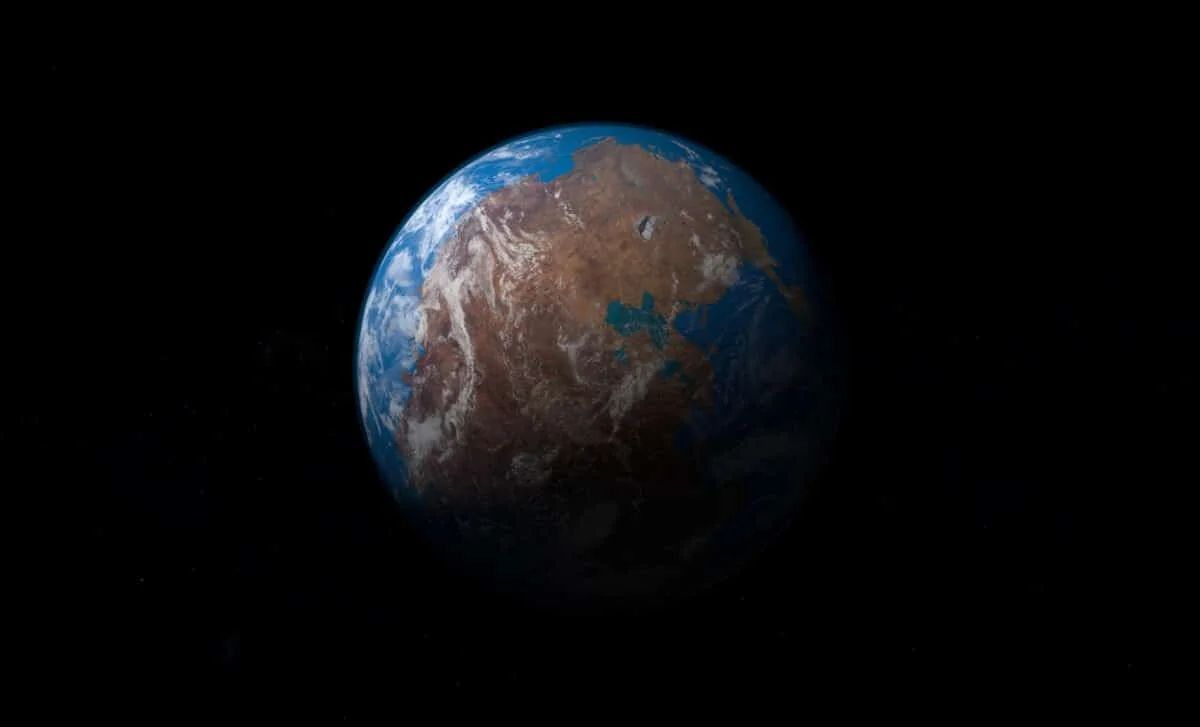
Scientists outline four possible future supercontinents—Novopangea, Pangea Proxima, Aurica, and Amasia—each arising from how today’s oceans evolve, with climate models predicting divergent outcomes (cooling and expanded ice in some scenarios, warmer, drier conditions in Aurica, and potential widespread glaciation in Amasia). While these projections show strikingly different worlds, they share high uncertainty and stress that substantial ecological disruption or extinction could accompany a new planetary union; humanity’s long-term survival may hinge on living in harmony with Earth's ecosystems.

science5 months ago

Cambrian Fossil Trove Finds 90 New Species Surviving Deep Waters After Mass Extinction

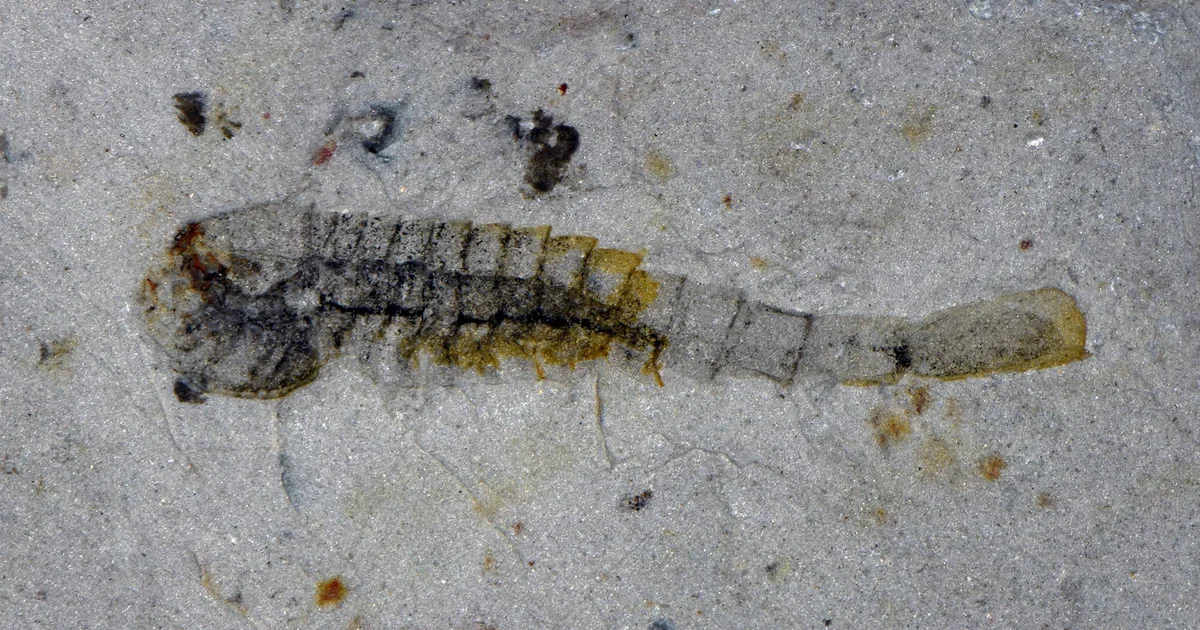
China’s Huayuan biota from about 512 million years ago yielded 153 species, with roughly 90 new to science. The fossils show soft-bodied anatomy (gills, guts, eyes, nerves) and include radiodont apex predators, indicating deep-water ecosystems endured the Sinsk mass extinction around 513 million years ago even as shallow-water life was decimated, revealing surprising Cambrian diversity.

China quarry yields 150 Cambrian species, revealing post-extinction life
science5 months ago

China quarry yields 150 Cambrian species, revealing post-extinction life

A Chinese team in Hunan uncovered over 50,000 fossils from a small quarry dating to about 512 million years ago, capturing more than 150 species (91 new to science) with soft tissues preserved. The Huayuan biota, from just after the Sinsk mass extinction, offers new insights into early animal life and shows surprising connections to the Burgess Shale, implying early larval dispersal and rapid post-extinction recovery during the Cambrian explosion.

Fossil Evidence Shows Dinosaurs Thrived in North America Before Extinction
science8 months ago

Fossil Evidence Shows Dinosaurs Thrived in North America Before Extinction

New research indicates that dinosaurs in North America were still thriving just before the asteroid impact 66 million years ago, with fossils from the last moments of the Cretaceous period showing diverse and large species like Tyrannosaurus rex, Triceratops, and Alamosaurus, challenging the idea that dinosaurs were in decline before their extinction.

Siberian Meteorite Impact Formed Earth's Saturn-Like Rings and Massive Diamond Crater
science10 months ago

Siberian Meteorite Impact Formed Earth's Saturn-Like Rings and Massive Diamond Crater

Approximately 34 million years ago, a massive meteorite impact created the Popigai crater in Siberia, transforming graphite into industrial diamonds and contributing to a global cooling event that led to the Eocene–Oligocene extinction, with impacts and volcanic activity significantly reshaping Earth's biodiversity and climate.

Are We Heading Toward the Sixth Major Mass Extinction?
environment10 months ago

Are We Heading Toward the Sixth Major Mass Extinction?

The article discusses the potential for human-induced climate change to trigger a sixth major mass extinction, drawing parallels with past catastrophic events like the Permian extinction caused by massive volcanic eruptions and CO2 overloads, emphasizing that the rapid rate of current CO2 emissions could push Earth beyond its capacity to recover, leading to irreversible damage to global biodiversity.