
Ancient Human DNA Found on Cave Walls, Rewriting the Story of Prehistoric Art
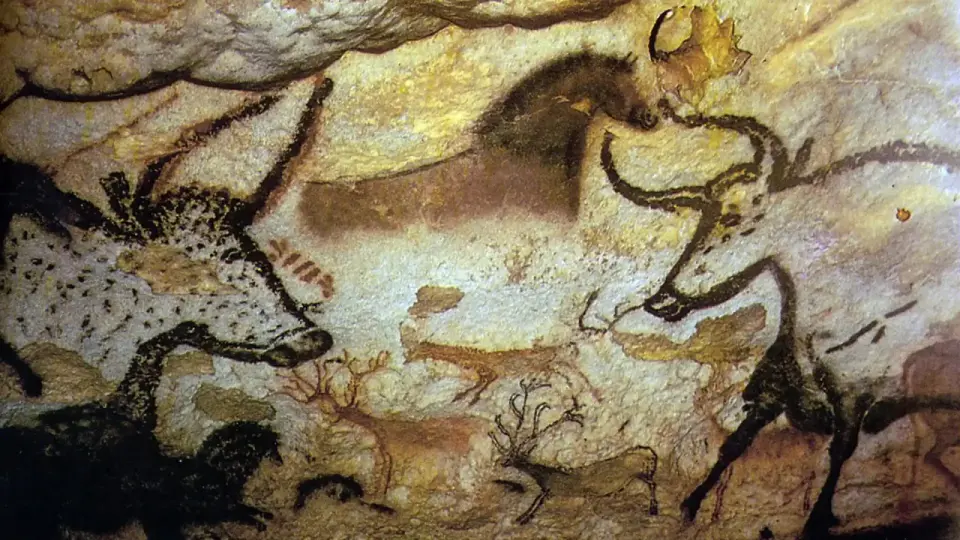
An international team reports the first recovery of ancient human DNA from cave-wall calcite on 24 rock-art panels across 11 caves in Spain and Portugal, including Escoural and Altamira. The DNA traces, sometimes found on painted or unpainted walls, imply people touched or lingered at these sites thousands of years ago and may record movement and activity beyond what the art alone shows. In some samples, nuclear DNA aligns with Western Hunter-Gatherers and allows occasional sex inferences; the Escoural painted sample yielded ancient mitochondrial DNA, while an Altamira pigment sample showed DNA fragments but no strong ancient signal. The human DNA is at least 4,000–5,000 years old, with uncertain dating, and researchers caution that sampling remains destructive. If refined, this approach could help map cave use, gender distribution, and possibly which groups created or interacted with the art, adding a new dimension to prehistoric studies.
- Scientists Found Ancient Human DNA on Cave Walls for the First Time and It Could Rewrite the Story of Prehistoric Art ZME Science
- Investigating ancient human DNA preservation on cave walls and in rock art Nature
- In a first, scientists extract ancient human DNA from cave walls National Geographic
- In a Scientific First, Researchers Recovered Ancient DNA That Humans Left Behind on Rock Art and Cave Walls Smithsonian Magazine
- Ancient human DNA found on cave art for the first time New Scientist
Want the full story? Read the original reporting
Read on ZME Science