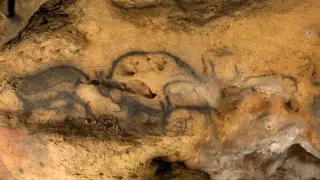
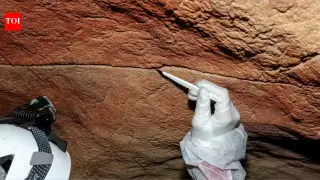
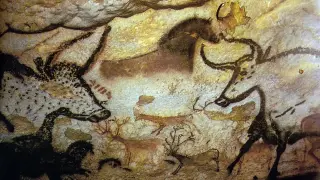
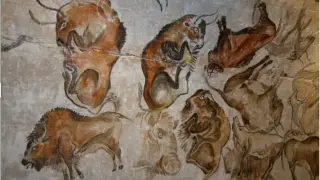
Eight southwest Irish caves contain rock art dating to at least 15,000 years ago, suggesting Ireland's first humans may have traveled from Wales via a Ice Age land bridge; researchers used AI-driven mapping to locate sites, pushing back Ireland’s earliest human presence by thousands of years.
Eight Irish caves may contain art dating to at least 15,000 years ago, potentially pushing Ireland’s first human presence back by thousands if verified. Researchers used a Welsh cave-art model to pinpoint eight promising sites, suggesting a possible Ice Age land bridge from Wales to Ireland. However, the dating is not yet confirmed by direct samples or peer-reviewed work, so the claim remains tentative and part of a cautious re-evaluation of Ireland’s prehistoric timeline.
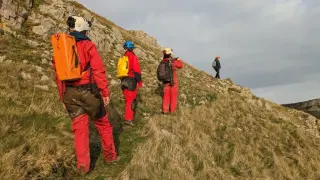
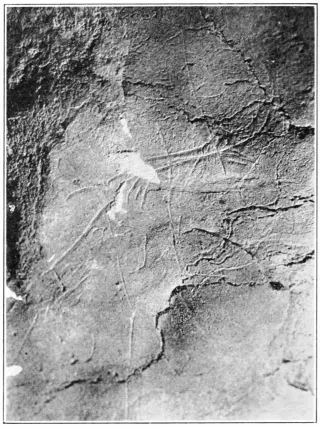
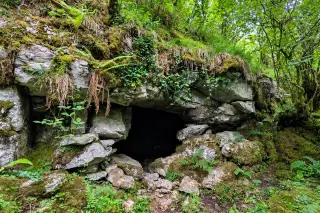
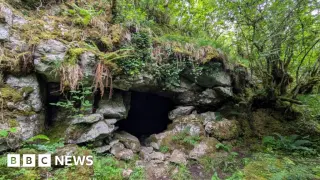
An AI-led survey of eight southwest Ireland caves uncovered engravings, ochre, charcoal, and finger-drawn marks dating to around 15,000 years ago, potentially pushing Ireland's first human presence back by about 5,000 years. The age is a contextual, stylistic assessment (not lab-dated yet), and exact locations are withheld to protect artifacts. The project also identified 28 candidate caves and suggests a broader land-bridge corridor from Wales could have enabled earlier migration, with more sites likely on the way.
Researchers have identified 15,000-year-old cave art in Ireland, potentially reshaping what we know about Ireland’s earliest inhabitants and the development of prehistoric art.
Archaeologists from the Lost Land Bridge Project identify eight southwest Ireland caves with rock art dating back at least 15,000 years, suggesting Ireland’s first inhabitants crossed from Wales across a now-dry land bridge during the Ice Age; AI-assisted analysis helped locate sites, pushing back Ireland’s earliest known habitation by about 5,000 years while keeping exact cave locations private to deter vandalism.
Scientists used Raman spectroscopy and hyperspectral imaging to detect charcoal in two Font-de-Gaume black figures, enabling radiocarbon dating that places the bison at about 13,400 calBP and suggests the mask-like image contains elements from multiple periods (roughly 9k–16k calBP), indicating cave art was created and revisited across millennia.
Scientists retrieved ancient human DNA from calcite crusts on cave walls and pigment on rock art across 11 caves in Spain and Portugal, a first that could someday help identify the artists behind prehistoric paintings. DNA was found in 24 painted panels, though only a few samples yielded usable ancient DNA, and ages are uncertain—likely at least a couple of thousand years old. The DNA may have been deposited via saliva or fluids during art creation, and some samples from unpainted cave areas also contained human DNA. While it raises exciting possibilities, researchers caution that it isn’t yet sure the DNA belongs to the artists, and future work will refine methods and expand sampling to more sites.
An international team reports the first recovery of ancient human DNA from cave-wall calcite on 24 rock-art panels across 11 caves in Spain and Portugal, including Escoural and Altamira. The DNA traces, sometimes found on painted or unpainted walls, imply people touched or lingered at these sites thousands of years ago and may record movement and activity beyond what the art alone shows. In some samples, nuclear DNA aligns with Western Hunter-Gatherers and allows occasional sex inferences; the Escoural painted sample yielded ancient mitochondrial DNA, while an Altamira pigment sample showed DNA fragments but no strong ancient signal. The human DNA is at least 4,000–5,000 years old, with uncertain dating, and researchers caution that sampling remains destructive. If refined, this approach could help map cave use, gender distribution, and possibly which groups created or interacted with the art, adding a new dimension to prehistoric studies.
Researchers analyzing cave-wall samples from Altamira, Escoural, and Covarrón found ancient human DNA preserved on pigment crusts and even unpigmented areas. Of 54 samples, five yielded authentic mitochondrial DNA (three women, one man, one unidentified), with some nuclear DNA linking individuals to Western Hunter-Gatherers. Preservation was rare (1 of 24 panels), suggesting cave walls can archive genetic traces of prehistoric visitors and offering a new, noninvasive way to study who touched the walls and how far Ice Age people ventured.
A multinational team led by Hipólito Collado recovered human DNA over 2,000 years old from cave-wall surfaces in Spain and Portugal, showing rock surfaces can preserve genetic material and enabling archaeogenetic study of prehistoric populations. Analyzed 24 rock-art panels across 11 caves (including Escoural and Covarón); the findings, published in Nature Communications as part of the First Art project, suggest caves could act as biological archives for ancient humans.
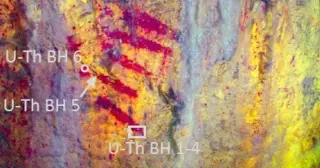
Researchers re-examined Bacon Hole in Wales and confirmed that the red pigmented stripes were intentionally painted by a finger about 17,100 years ago, making them the oldest cave art known in Britain and northwestern Europe and reshaping our understanding of Ice Age symbolism at Welsh sites.
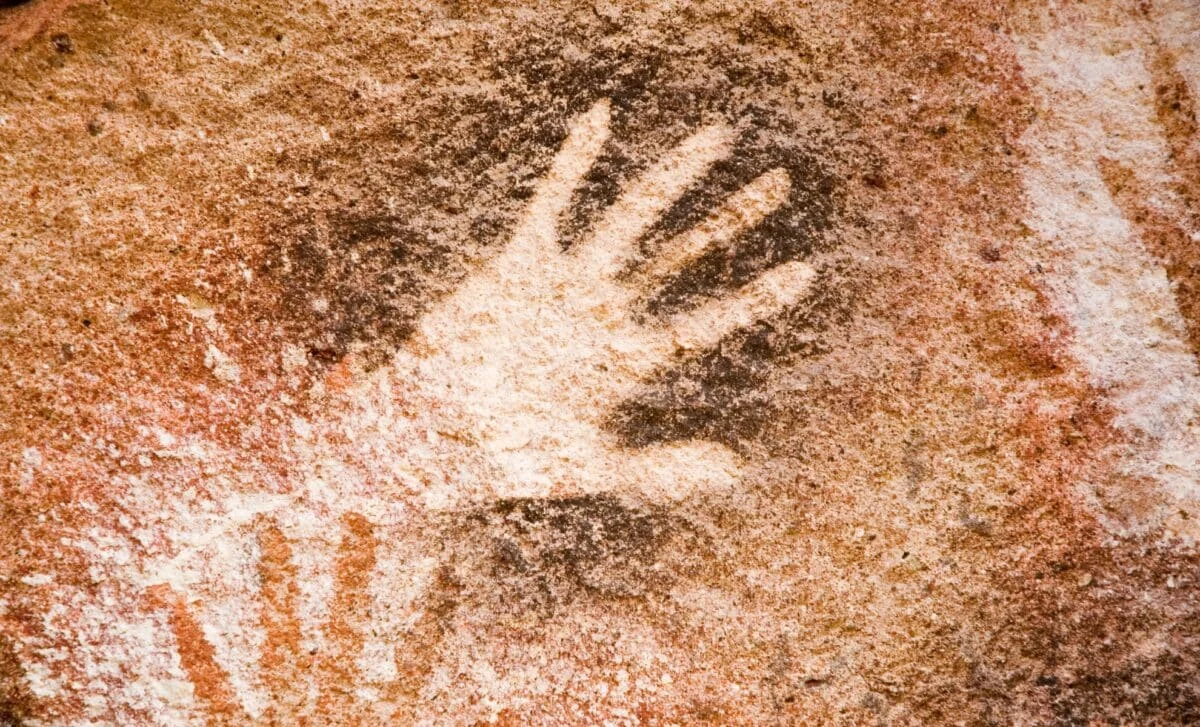
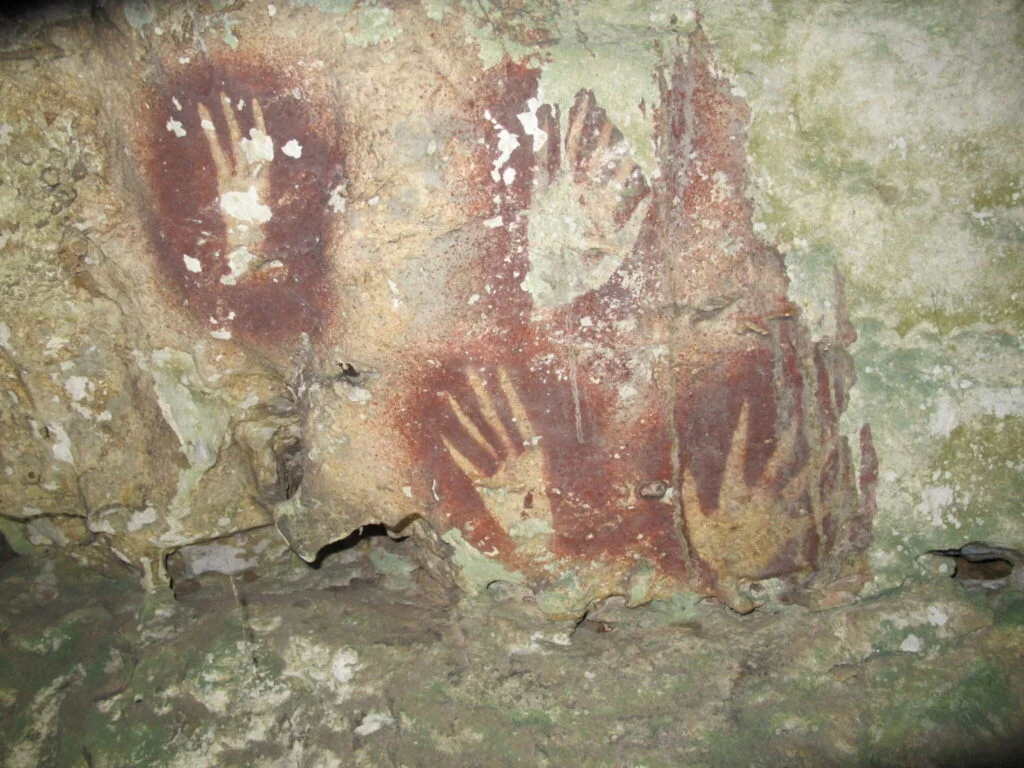
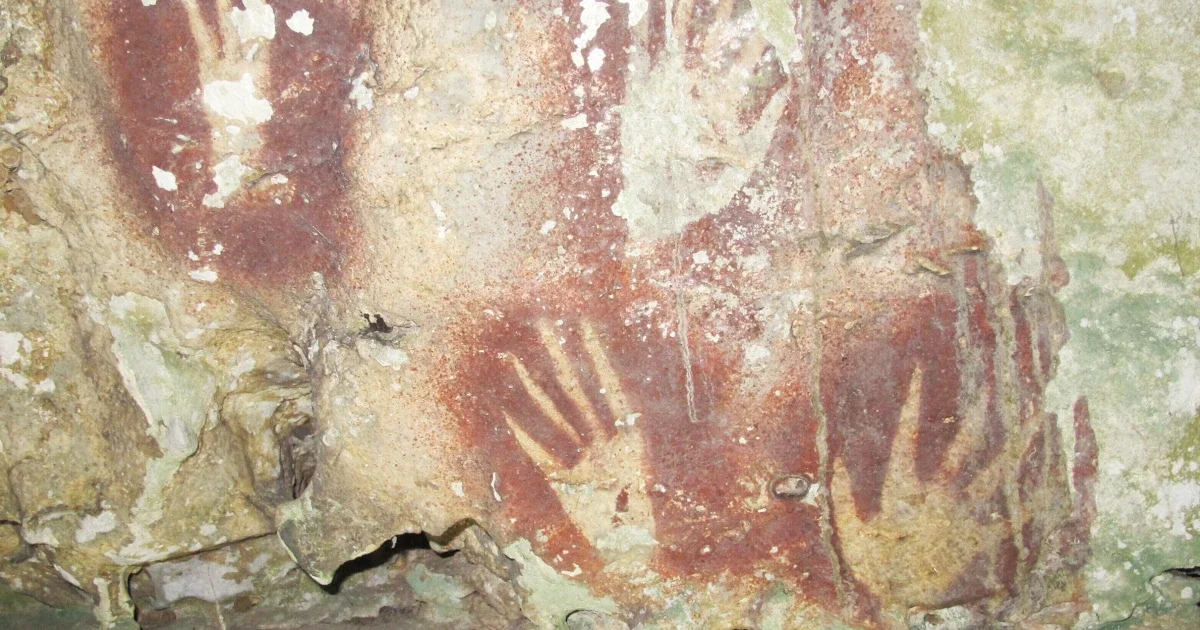
A hand stencil from Liang Metanduno cave in Indonesia is dated to at least 67,800 years ago using U-series dating, making it the oldest reliably dated rock art and implying early Homo sapiens used symbolic art and may have carried cultural practices across migration routes toward Sahul.
A hand stencil in Liang Metando cave on Muna Island, Indonesia, has been dated to at least 67,800 years ago using uranium-series dating, making it the oldest known cave art and suggesting Homo sapiens may have created art earlier than previously thought and perhaps migrated to Australia even sooner than current estimates.
Dating from the Liang Metanduno cave on Sulawesi's Muna Island, hand stencils are about 67,800 years old, making them the oldest known cave art. The technique involved blowing pigment over a pressed hand, and the find suggests early Indonesians created sophisticated art long before similar European examples, with potential links to the ancestors of Aboriginal Australians.
Archaeologists discovered deliberate finger engravings in a sealed Neanderthal cave in France, dating back over 57,000 years, challenging the view that symbolic behavior was unique to modern humans and suggesting Neanderthals possessed complex cognitive abilities.