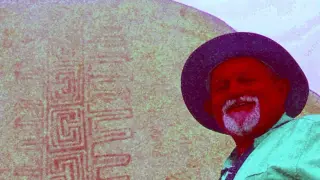
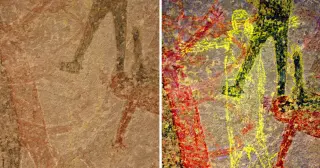
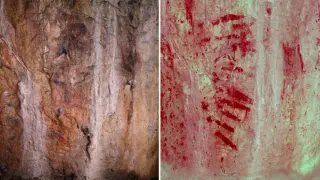
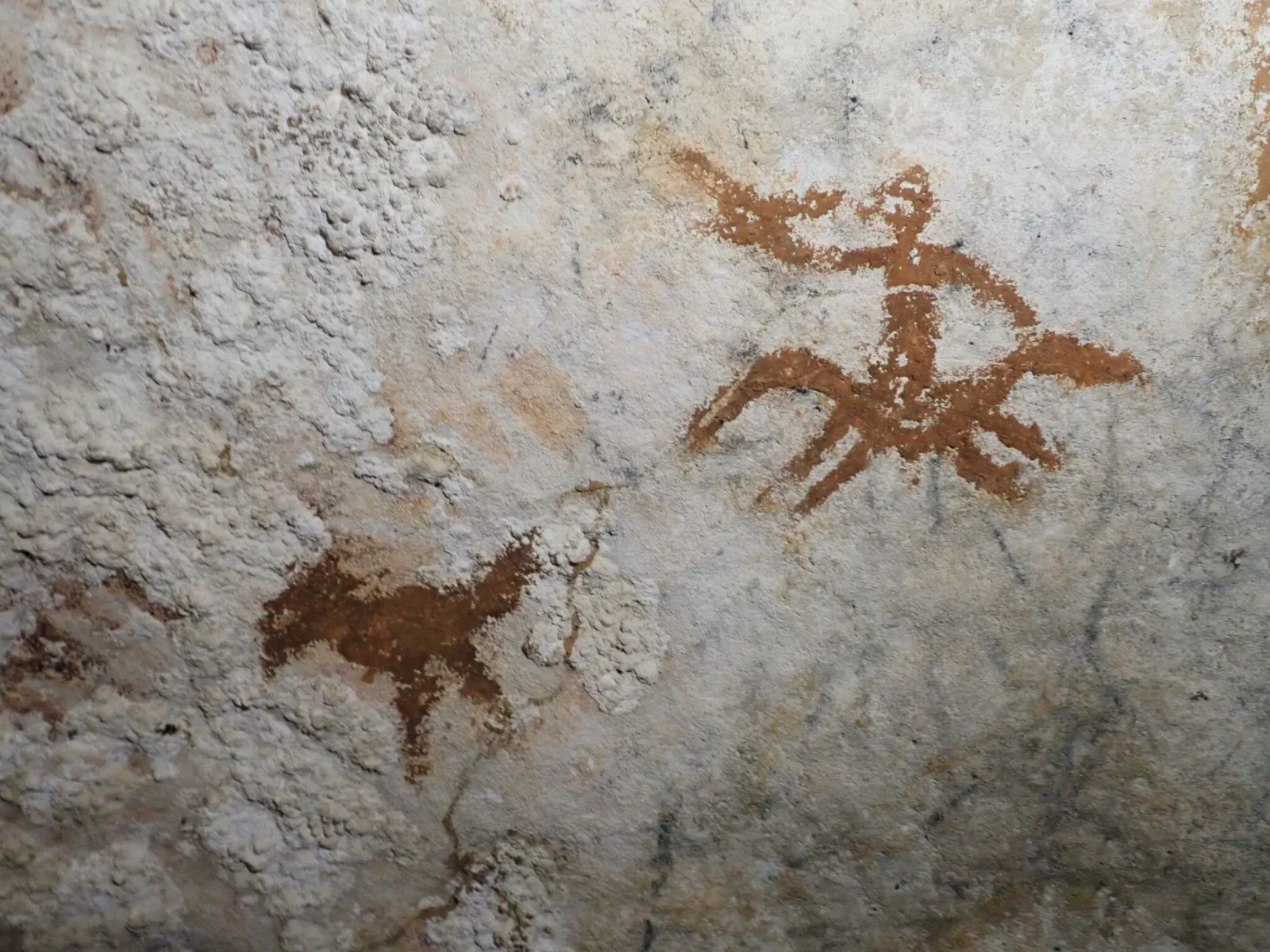
Archaeologist Jon Harman adapted NASA's decorrelation stretch—a color-enhancement method based on the Karhunen–Loève Transform—into the Dstretch plugin to sharpen rock-art photos. The technique has revealed previously unseen figures, including a yellow figure in Baja California and dozens more at sites like Angkor Wat and Beni Hassan, illustrating how space-age image processing can illuminate ancient art on Earth.
A NASA Mars photo-processing method called decorrelation stretch, later turned into the Dstretch plug-in, enhances color variation to reveal faded rock art on Earth. Developed to study Martian surfaces, it helped Harman uncover a yellow figure in Baja California and has since aided archaeologists worldwide, including discoveries around Angkor Wat, with applications ranging from cave art to tattoos on mummies.
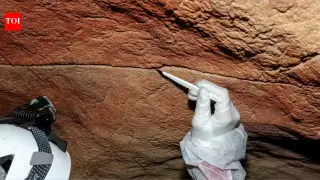
Scientists retrieved ancient human DNA from calcite crusts on cave walls and pigment on rock art across 11 caves in Spain and Portugal, a first that could someday help identify the artists behind prehistoric paintings. DNA was found in 24 painted panels, though only a few samples yielded usable ancient DNA, and ages are uncertain—likely at least a couple of thousand years old. The DNA may have been deposited via saliva or fluids during art creation, and some samples from unpainted cave areas also contained human DNA. While it raises exciting possibilities, researchers caution that it isn’t yet sure the DNA belongs to the artists, and future work will refine methods and expand sampling to more sites.
An international team reports the first recovery of ancient human DNA from cave-wall calcite on 24 rock-art panels across 11 caves in Spain and Portugal, including Escoural and Altamira. The DNA traces, sometimes found on painted or unpainted walls, imply people touched or lingered at these sites thousands of years ago and may record movement and activity beyond what the art alone shows. In some samples, nuclear DNA aligns with Western Hunter-Gatherers and allows occasional sex inferences; the Escoural painted sample yielded ancient mitochondrial DNA, while an Altamira pigment sample showed DNA fragments but no strong ancient signal. The human DNA is at least 4,000–5,000 years old, with uncertain dating, and researchers caution that sampling remains destructive. If refined, this approach could help map cave use, gender distribution, and possibly which groups created or interacted with the art, adding a new dimension to prehistoric studies.
A Nature Communications study shows ancient human DNA can persist on cave walls for millennia, with five of 54 samples from 24 rock-art panels testing positive for human DNA. DNA was found on both painted and unpainted surfaces, as well as calcite crusts, suggesting direct deposition or sediment transport rather than solely artwork-related material. Two Covarón Cave samples yielded nuclear DNA linked to Western hunter-gatherers, while others contained both human and animal DNA; a bird-bone airbrush from Altamira yielded no ancient DNA due to modern contamination. The findings indicate cave walls can preserve traces of past visitors long after artworks were made, though preservation varies with mineral crusts and cave conditions. Researchers plan broader testing across more caves and styles to better understand who used caves and when.
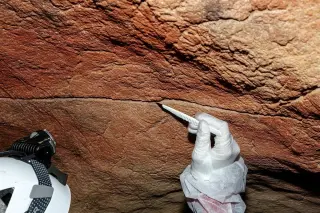
New dating and image-analysis of Bacon Hole cave in south Wales confirm that its red markings are ancient abstract art dating to about 17,000 years ago, making them the oldest rock art in the British Isles; previously dismissed as mineral staining and graffiti, uranium–thorium dating and enhanced imagery reveal human-like symbolic lines and dots, likely created by Upper Paleolithic hunter–gatherers, with surrounding mineral deposits supporting the minimum age.
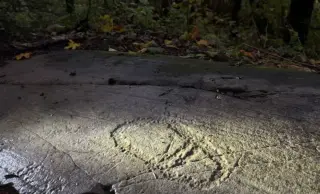
A father and daughter discovered a sandstone panel near Oslo containing Bronze Age carvings—ships, human figures, a footprint, and an unusual broad-handed print—estimated to be about 3,000 years old. Unlike typical granite Nordic panels, the sandstone site preserves clearer tool marks and fewer densely carved details, suggesting a different carving technique. The find, at Kolsatoppen hill in Bærum, adds to evidence that many coastal-art sites remain undocumented and underscores the importance of terrain- and sea-level-based searching in discovering ancient rock art.
A South African San rock-art panel may depict the extinct dicynodont, suggesting ancient artists drew on fossil knowledge to inspire their imagery, potentially making this among the earliest depictions of creatures that existed long before humans.
Dating of a Sulawesi hand stencil shows it is at least 67,800 years old, the oldest reliably dated cave art, implying early modern humans in Sulawesi with ties to Indigenous Australians and long-running art activity across 35,000 years, informing Sahul migration routes.
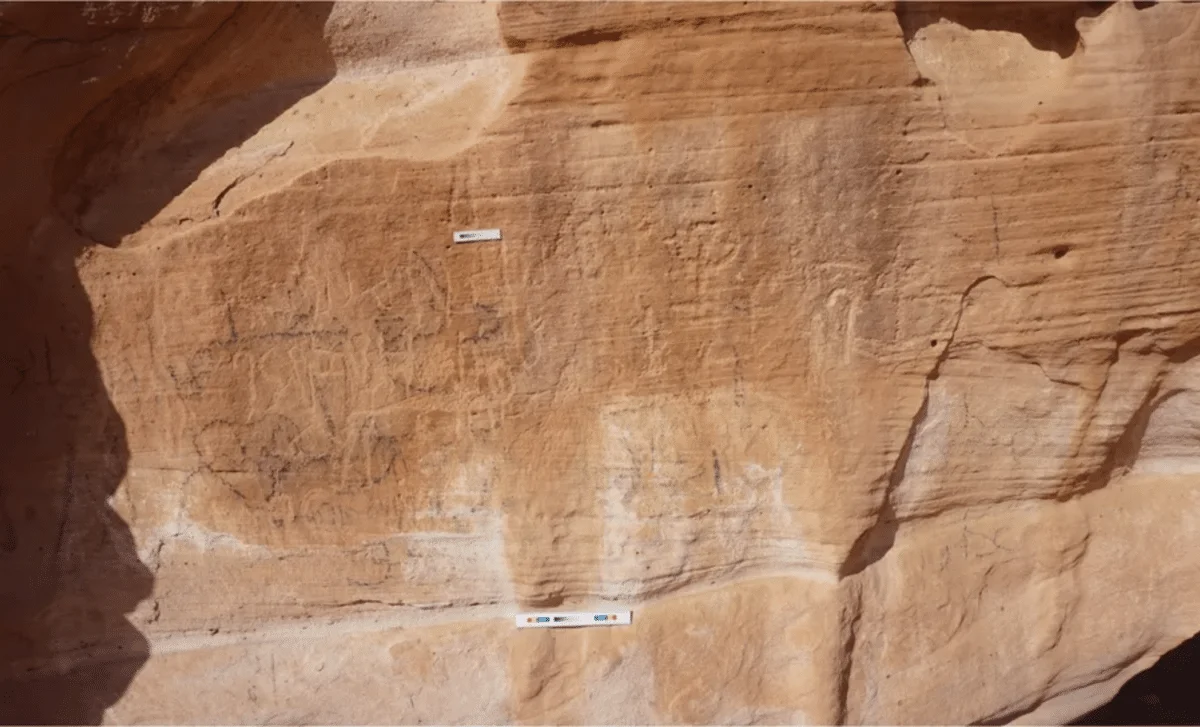
A 5,000-year-old rock panel in the Sinai Desert shows early Egypt projecting power beyond the Nile through violence, royal symbolism, and control of copper and turquoise resources, signaling an early form of imperial messaging carved into the landscape; an erased ruler’s name hints at political change as Egypt centralized resources and authority.
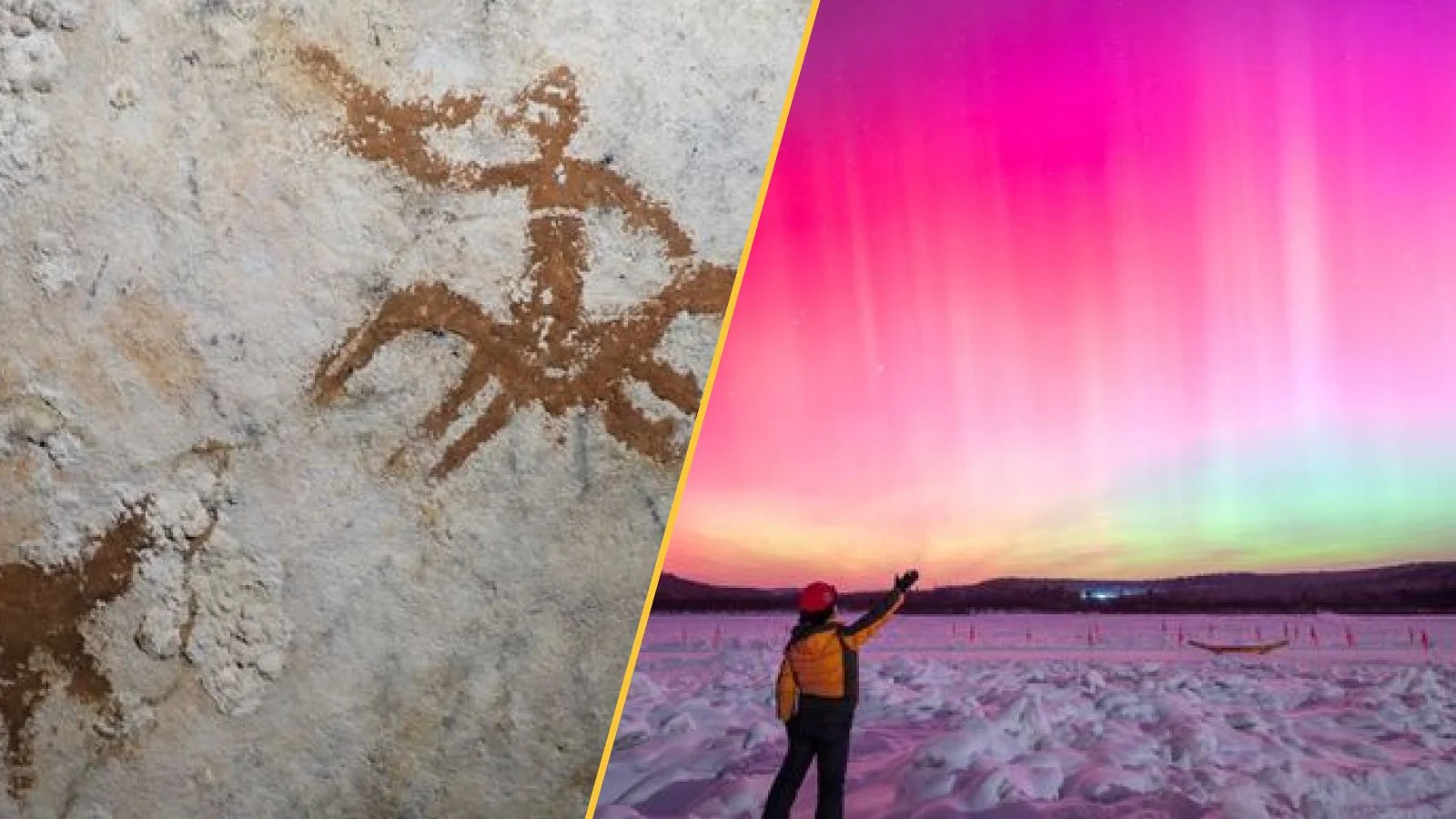
This week’s science roundup spans the world’s oldest known rock art—a 70,000-year-old Sulawesi hand stencil and a 2.6-million-year-old Paranthropus jaw—alongside the discovery of a massive sub-seafloor freshwater reservoir off the U.S. East Coast that could theoretically supply New York City for centuries, plus Earth being hit by one of the largest solar radiation storms in decades, with JWST findings continuing to upend ideas about early black holes.
ScienceAlert’s weekly roundup covers UK scientists proposing a standard THC unit for cannabis dosing; an 8-meter-tall fossil Prototaxites that stubbornly resists classification; the discovery of the world’s oldest rock art in Sulawesi dating to at least 67,800 years ago; the identification of tagatose, a natural low-calorie sugar that does not spike insulin; a gut-bacteria-driven syndrome where ethanol can form in the gut after meals; and new evidence linking the shingles vaccine with slower biological aging and reduced inflammation in older adults.
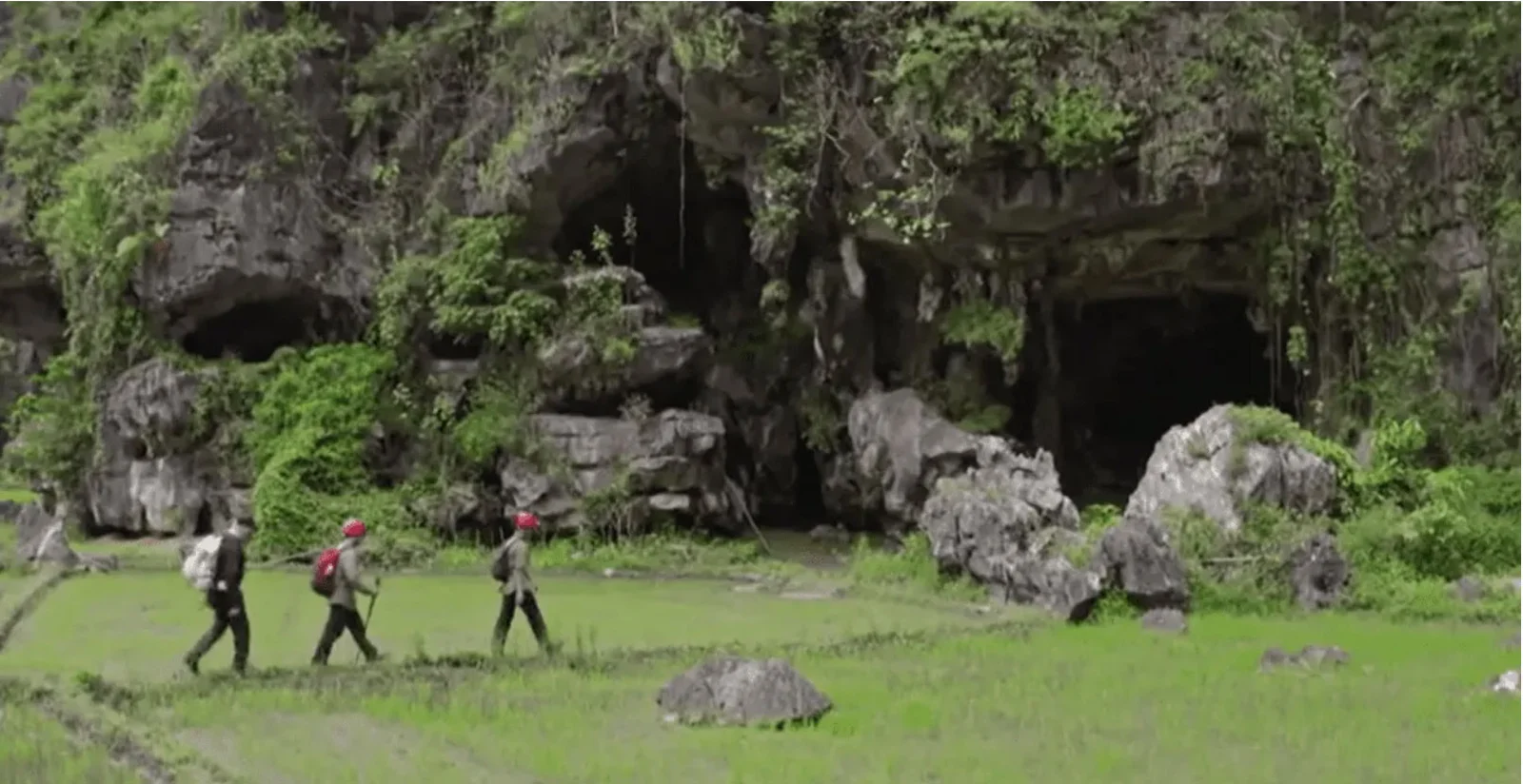
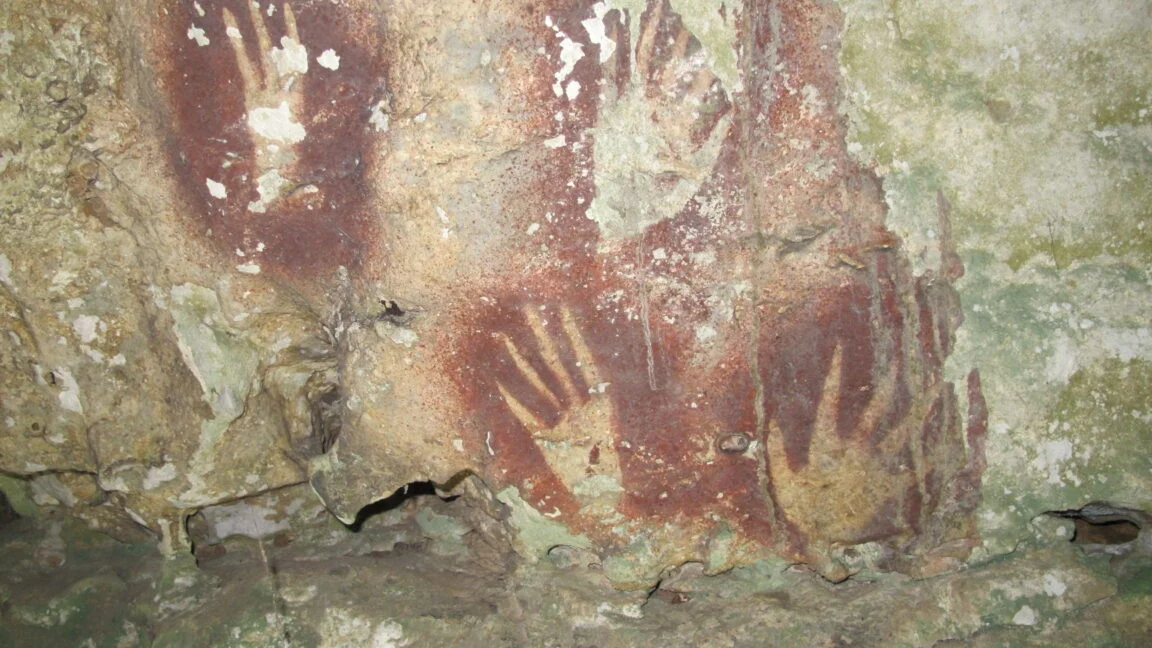
Dating of 11 Sulawesi-area cave paintings places a hand stencil in Metanduno Cave on Muna Island at about 67,800 years old—the oldest known rock art. The stencil was made by pressing a hand to the wall and spraying pigment around it, suggesting modern humans traveling by dugout canoes who helped populate Sahul (New Guinea and Australia) around 65,000 years ago, with later charcoal and ocher drawings surrounding the stencil.
Archaeologists report what may be the oldest surviving artwork, a hand stencil on a Sulawesi cave wall dating to about 67,800 years ago (calcite overgrowth suggests the imprint is older). Found among 44 surveyed sites in Maros-Pangkep, Liang Metanduno’s stencil marks the earliest known modern-human presence in Wallacea and implies long-distance seafaring that could have reached Australia earlier than some estimates, highlighting a region with a deep, ongoing artistic tradition.
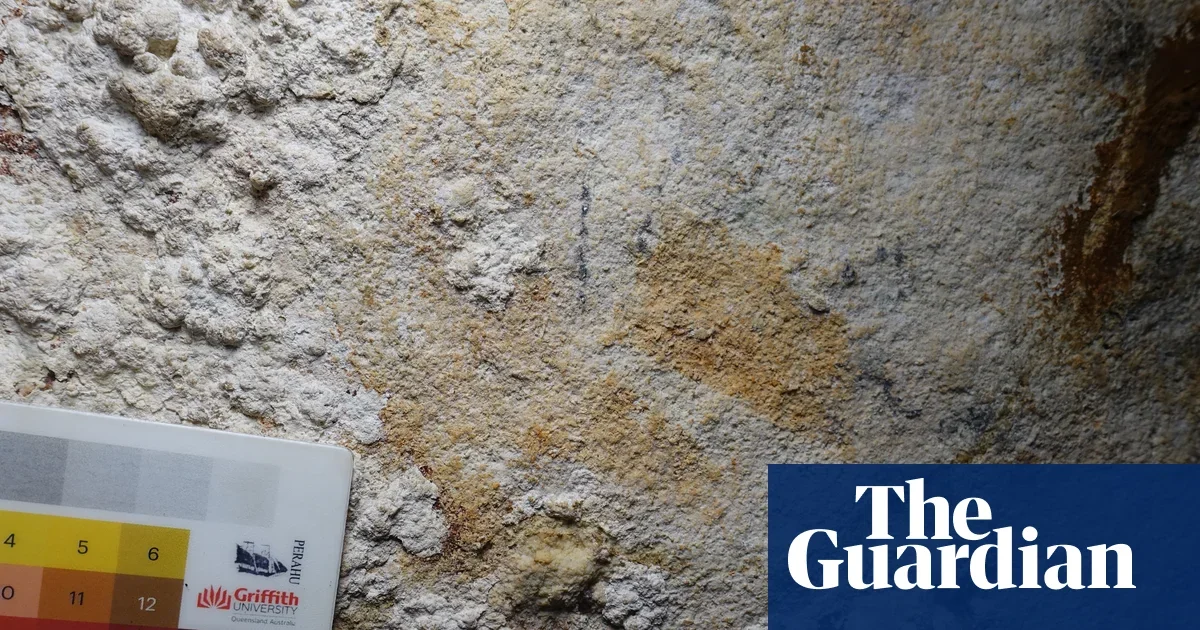
A faded hand outline in Liang Metanduno cave on Sulawesi is dated to at least 67,800 years ago via calcite overgrowth, potentially the oldest known rock art, created by spraying ochre over a hand; the find, along with other Sulawesi paintings dating to 51,200 years, supports early northern dispersal toward Sahul and suggests complex symbolic behavior by Homo sapiens, though attribution to specific hominin groups remains debated.