
RNA Obelisks in Humans Blur the Line Between Living and Nonliving
TL;DR
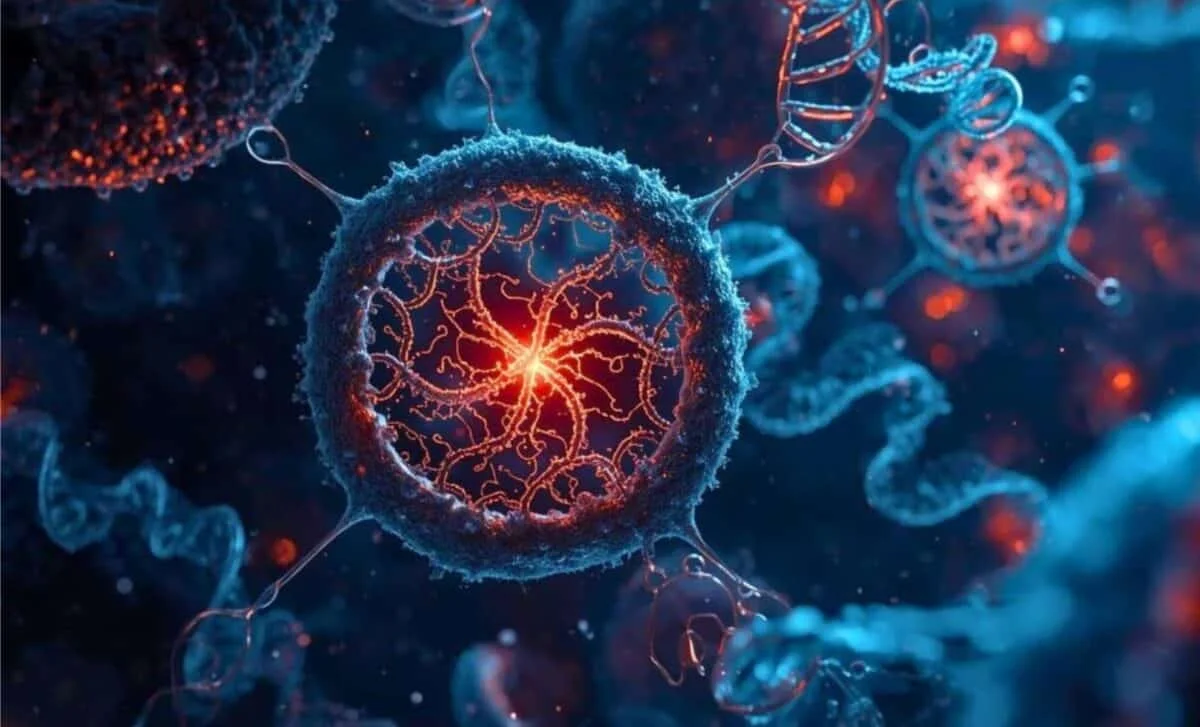
Researchers report thousands of circular, non-coding RNA structures, dubbed obelisks, found across human saliva and gut microbiomes. They behave like replicators but do not resemble viruses, plasmids, or other known genetic elements, lacking protein-coding capacity and a protective shell. Their replication mechanism remains unknown, and they defy existing biological classifications, suggesting a possible new life-like class within the microbiome. There is no evidence of harm to humans yet, but their ubiquity hints at ecological or evolutionary significance and a need for new taxonomic frameworks.
Want the full story? Read the original reporting
Read on Indian Defence Review