
Tunguska Event: 1908 Siberian Blast Likely Caused by 40-Meter Asteroid
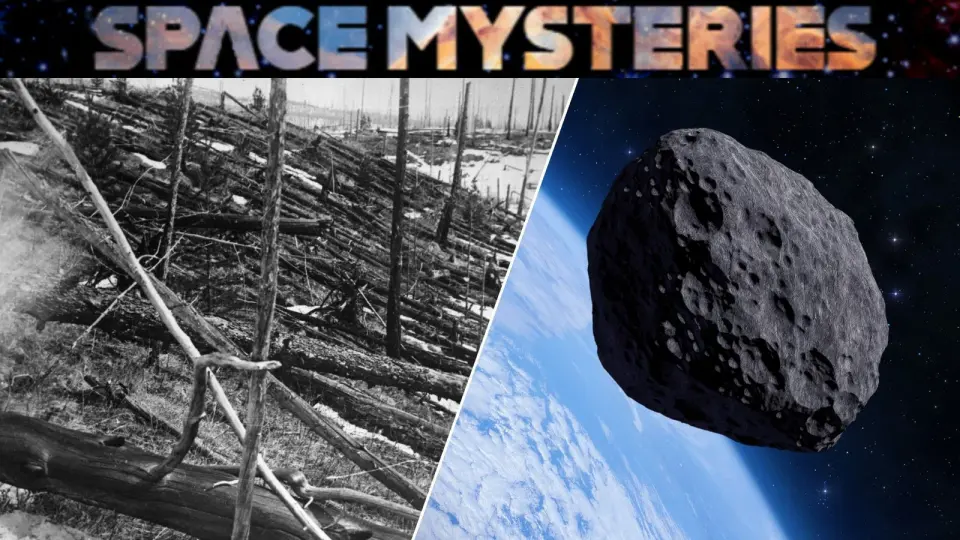
On June 30, 1908, a massive atmospheric explosion occurred in the remote Tunguska region of Siberia, flattening a significant stretch of wilderness. Modern scientific consensus attributes the event to a small asteroid, approximately 40 meters in diameter, that disintegrated in the atmosphere. The blast produced a flash brighter than the sun and shock waves strong enough to knock people off their feet, with seismic tremors detected hundreds of miles away. Although the event remains unmatched in modern history, it serves as a critical reference for planetary defense. Despite extensive study, questions persist regarding the exact nature of the object and the specific mechanisms of its atmospheric disruption.
Key points
- The explosion occurred at approximately 7:15 a.m. local time on June 30, 1908, in the Tunguska region of Siberia.
- The event generated a flash brighter than the sun and shock waves that injured local Indigenous Evenki populations and damaged livestock and dwellings.
- Seismic instruments located hundreds of miles away recorded tremors caused by the blast.
- Scientists estimate the object was a small asteroid, roughly 130 feet (40 meters) in diameter, which exploded upon entering Earth's atmosphere.
- The blast flattened a significant area of the Siberian wilderness, an impact that remains unmatched by any similar event in modern history.
- The first scientific expedition to the site was led by Soviet geologist Leonid Kulik, who arrived in 1927, nearly two decades after the event.
Background
This event is frequently cited in discussions regarding planetary defense and the potential impact of near-Earth objects. While earlier archive articles have explored atmospheric phenomena on other planets, such as the role of meteorite dust in Venus's haze, the Tunguska event remains a distinct terrestrial case study. It highlights the destructive potential of small space objects that may not leave a crater but can still cause widespread devastation through atmospheric explosions.
Why it matters
The Tunguska event underscores the importance of monitoring near-Earth objects and understanding the risks posed by small asteroids. Although no similar event has occurred in modern history, the 1908 blast demonstrates that even relatively small objects can cause significant damage if they explode in the atmosphere. This event informs current planetary defense strategies and highlights the need for improved detection and response capabilities to mitigate potential future impacts.
What to watch
Ongoing research continues to refine models of how small asteroids interact with Earth's atmosphere. Scientists are working to better understand the conditions that lead to atmospheric explosions versus surface impacts. This knowledge is critical for developing effective planetary defense systems and assessing the risks posed by future near-Earth object encounters.
Want the full story? Read the original reporting
Read on Space