
Unraveling the Mysteries of Ultra-Luminous X-Ray Sources and Gamma-Ray Bursts in Space
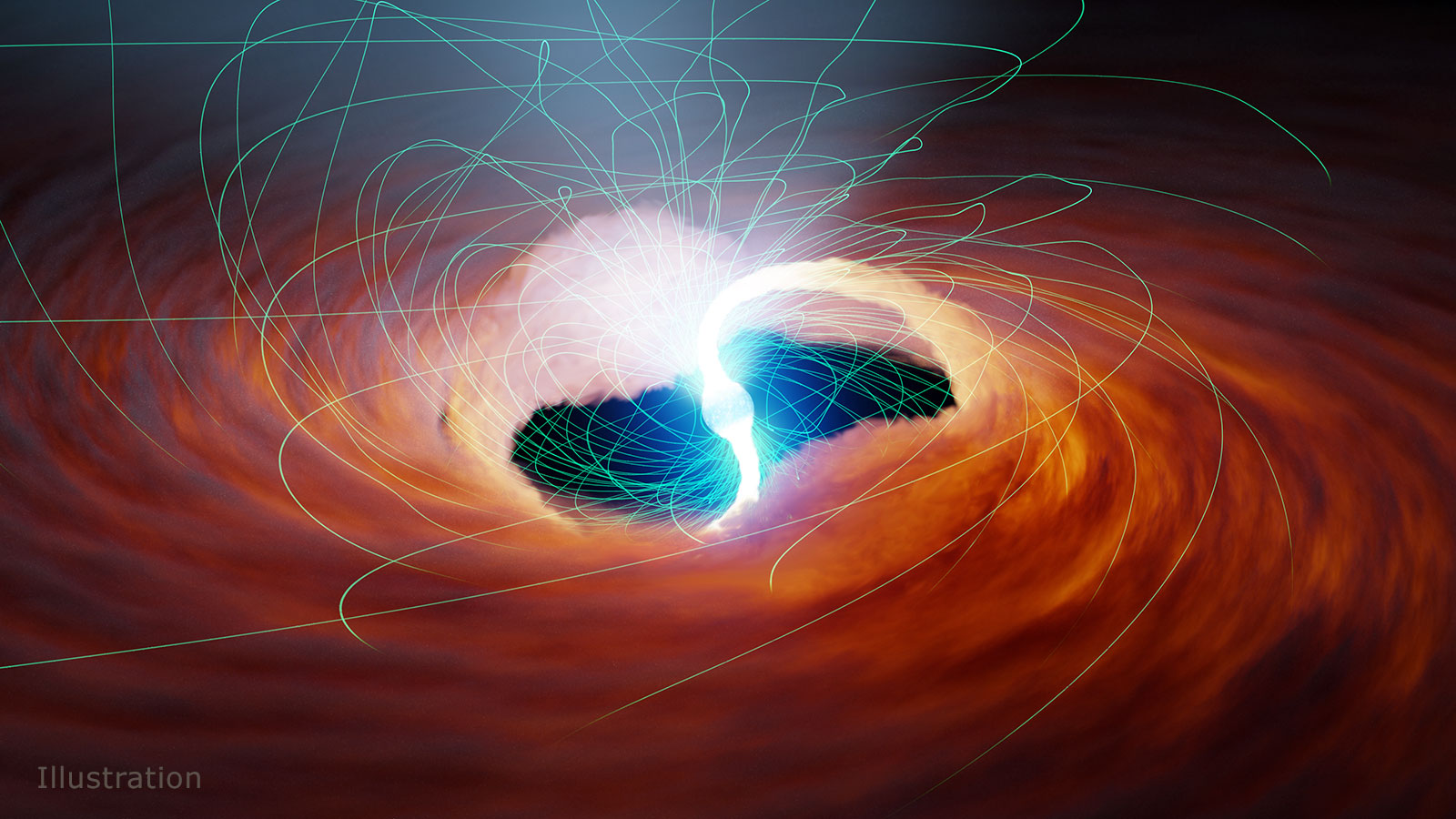
NASA's Nuclear Spectroscopic Telescope Array (NuSTAR) has confirmed that ultra-luminous X-ray sources (ULXs) break the Eddington limit, which puts a cap on how bright an object can be based on its mass. ULXs regularly exceed this limit by 100 to 500 times, leaving scientists puzzled. A recent study targeted a ULX and found that it is stealing about 9 billion trillion tons of material per year from a neighboring star, or about 1 1/2 times the mass of Earth. The study suggests that strong magnetic fields distort the roughly spherical atoms into elongated, stringy shapes, reducing the photons’ ability to push atoms away, ultimately increasing an object’s maximum possible brightness.
- NASA Study Helps Explain Limit-Breaking Ultra-Luminous X-Ray Sources NASA Jet Propulsion Laboratory
- Kazakh Astrophysicists Make Breakthrough Observation of Gamma-Ray Bursts Astana Times
- Brightest Gamma-ray Burst Shines Light on Milky Way Structure Universe Today
- A powerful explosion rocked space so hard, NASA called it the ‘brightest of all time’ Popular Science
- The BOAT Event: Brightest Gamma-Ray Burst in History Puzzles Astronomers Worldwide SciTechDaily
Reading Insights
0
7
4 min
vs 5 min read
87%
843 → 110 words
Want the full story? Read the original article
Read on NASA Jet Propulsion Laboratory