Tag

Neutron Star

All articles tagged with #neutron star

Magnetar-powered gamma glow lights up a distant supernova
space2 days ago

Magnetar-powered gamma glow lights up a distant supernova

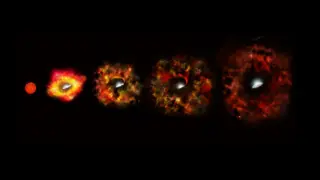
NASA’s Fermi detected gamma rays from the luminous core-collapse supernova SN 2017egm (NGC 3191, about 440 million light-years away), supporting the idea that a newborn magnetar—an ultra‑magnetized neutron star—powers the explosion. A magnetar wind nebula and related particle interactions could boost gamma-ray production and reprocess energy into visible light, explaining the unusually bright display; gamma rays begin to leak out as debris expands, with the early light curve matching models though late-time fading remains puzzling. The study also notes the upcoming Cherenkov Telescope Array could detect similar events up to ~500 million light-years, advancing understanding of magnetar engines. The work appeared in Astronomy & Astrophysics on May 20, 2026.

Milky Way’s Core May Hide an Ultra-Magnetized Pulsar
astronomy3 months ago

Milky Way’s Core May Hide an Ultra-Magnetized Pulsar

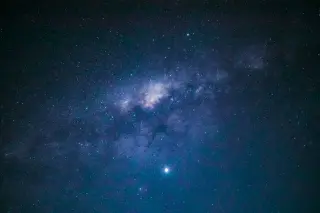
Scientists suspect a rapidly spinning, highly magnetic neutron star (a pulsar) sits near the Milky Way’s center. A Breakthrough Listen radio survey with the Green Bank Telescope (2021–2023) found a single pulsar candidate, BLPSR, around 122 rotations per second. If confirmed, such a pulsar orbiting Sagittarius A* could serve as a precise cosmic clock to test general relativity in the extreme gravity near the galaxy’s supermassive black hole, though the Galactic Center is notoriously hard to survey. Future facilities like ngVLA and SKA could help determine how many pulsars truly populate the core.

XRISM reveals unexpected speeds in cosmic wind from X-ray binary
science-and-exploration8 months ago

XRISM reveals unexpected speeds in cosmic wind from X-ray binary

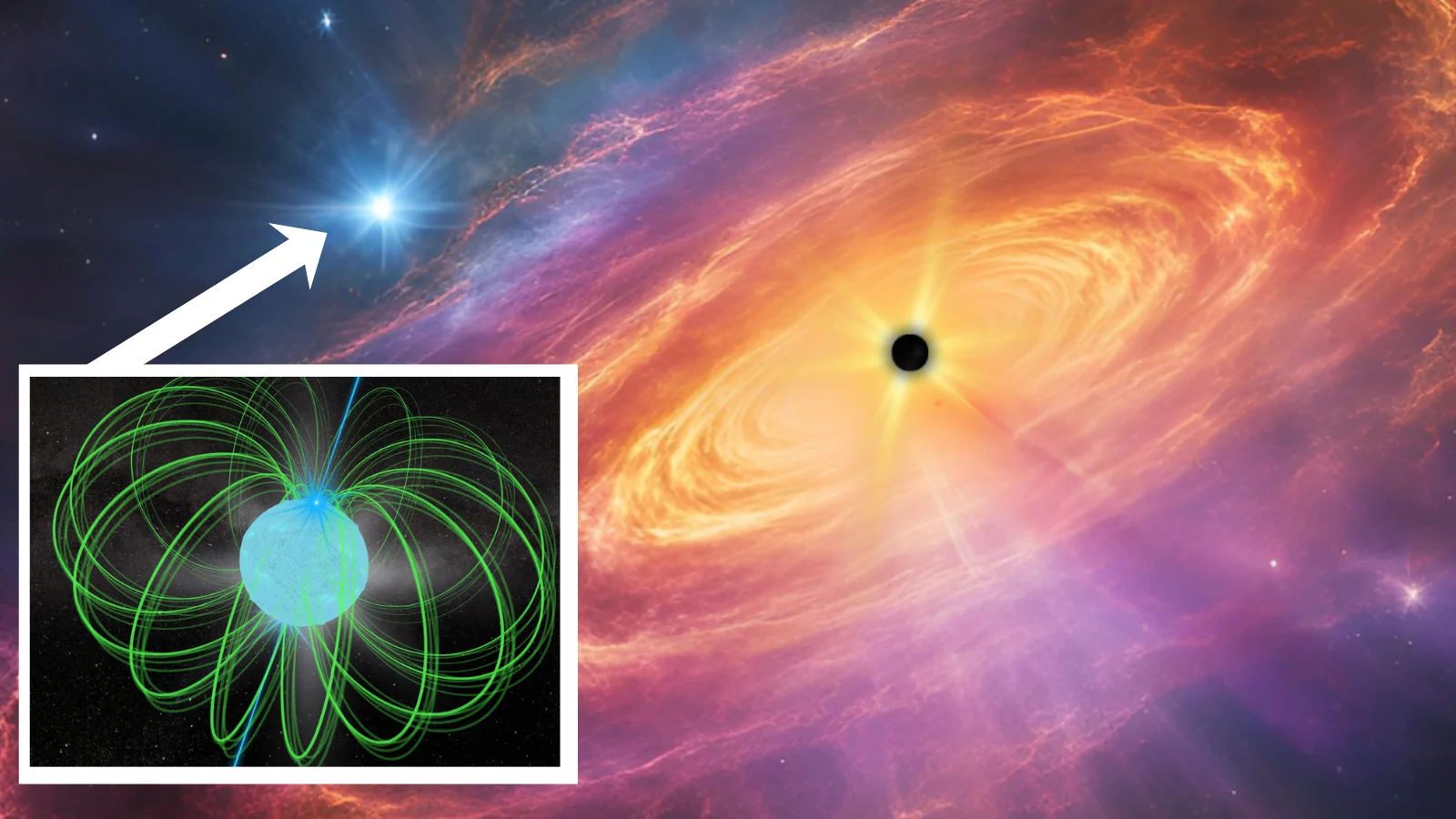
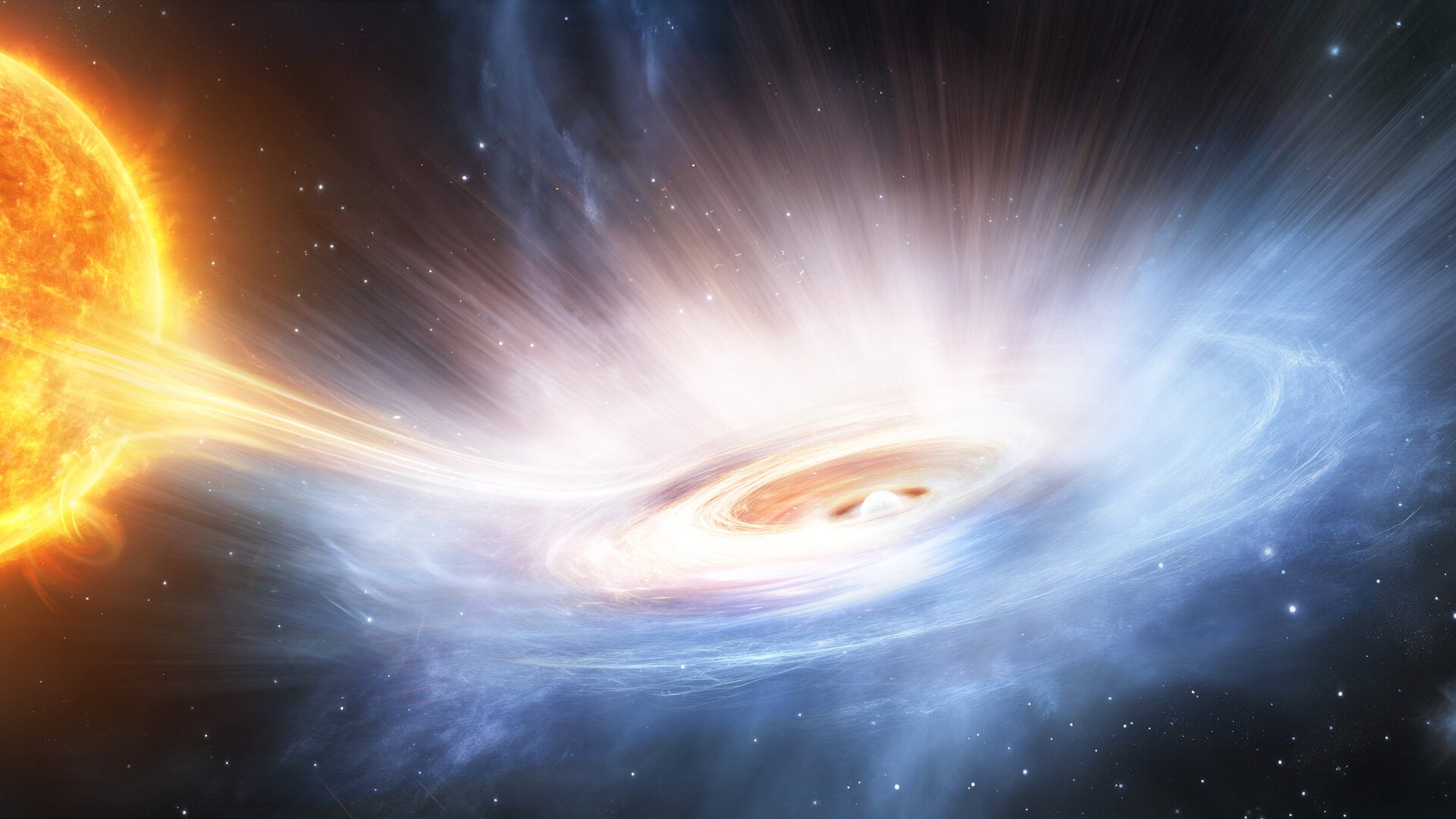
The XRISM mission has discovered that the winds from a neutron star system are unexpectedly dense and slower than those from supermassive black holes, challenging current understanding of how such winds form and influence their environments. The findings suggest that differences in accretion disc temperature and size may explain the variations, providing new insights into cosmic feedback mechanisms and galaxy evolution.

Mysterious Deep-Space Signals from 15,000 Light-Years Away Spark Scientific Curiosity
science11 months ago

Mysterious Deep-Space Signals from 15,000 Light-Years Away Spark Scientific Curiosity

Astronomers have discovered a distant star, ASKAP J1832−0911, 15,000 light years away, emitting mysterious radio and X-ray signals with unusual behavior, including a 44-minute pulse and dramatic fading over six months, challenging existing classifications of stellar objects and potentially transforming our understanding of the universe.