
437 Days in Orbit: Polyakov’s Mars-Readiness Proof That Never Reached Mars
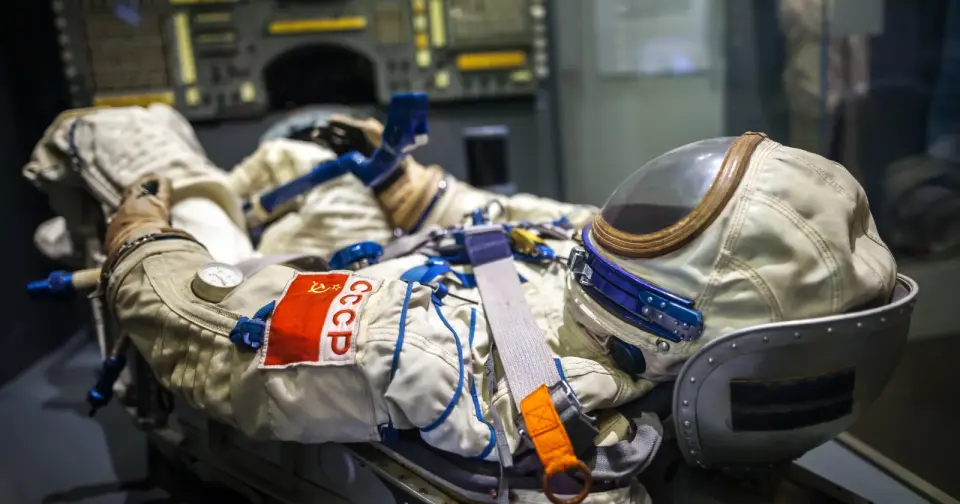
Valeri Polyakov’s 437 days aboard the Mir space station (1994–95) remains the longest continuous human spaceflight and was explicitly designed to validate a round-trip Mars mission. He tracked and countered physiological effects—bone density and muscle loss, cardiovascular changes, and Spaceflight-Associated Neuro-ocular Syndrome—while refining exercise and medical protocols. He walked unaided from the Soyuz after 14.5 months, declaring that “We can fly to Mars.” Since then, no mission has exceeded 437 days, as modern programmes favor shorter rotations due to radiation and risk management. The acquired data remains the essential baseline for future Mars missions, now targeted for the early 2030s, leaving Polyakov’s record as a historic milestone waiting for practical application.
Want the full story? Read the original reporting
Read on Space Daily