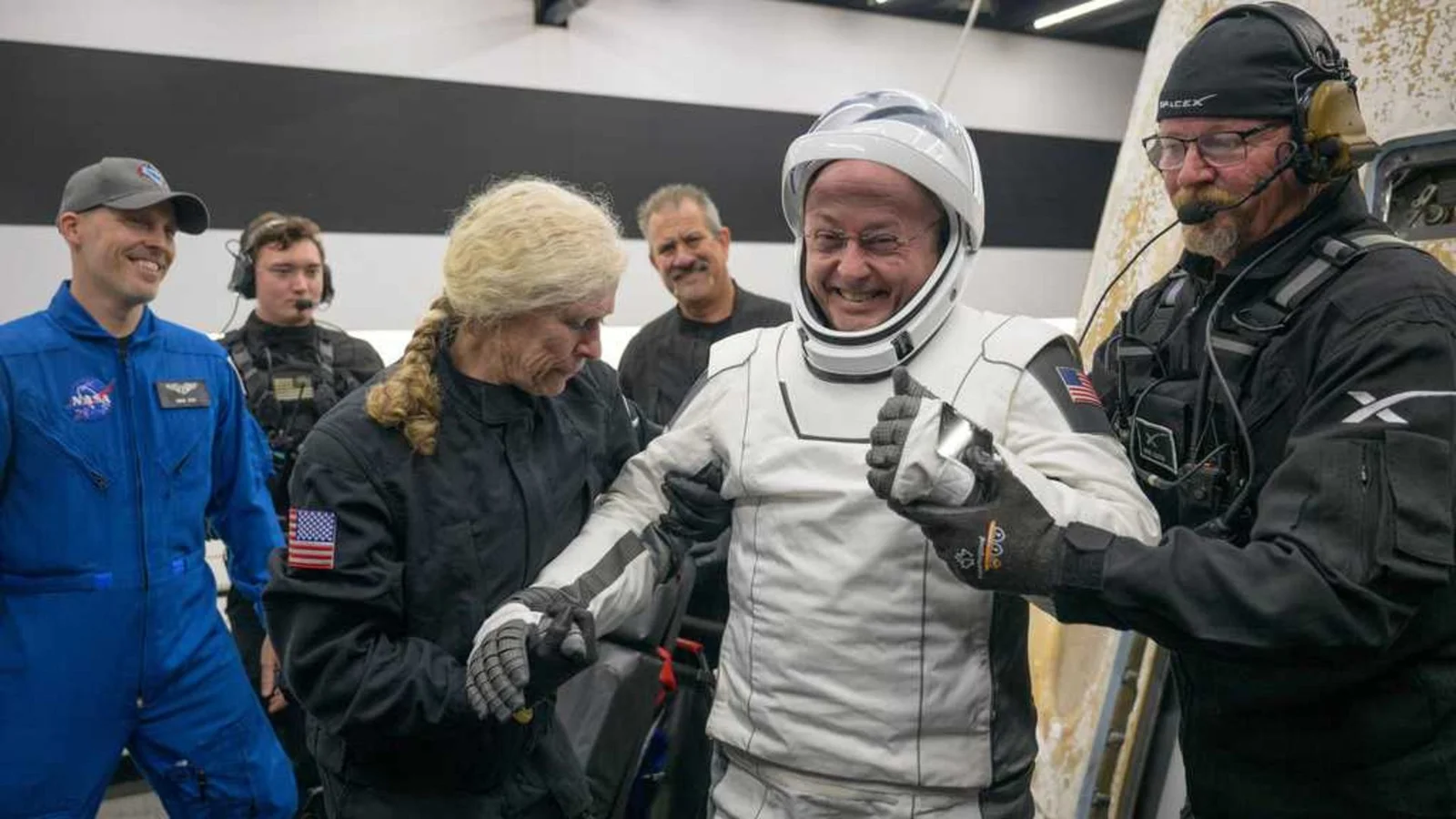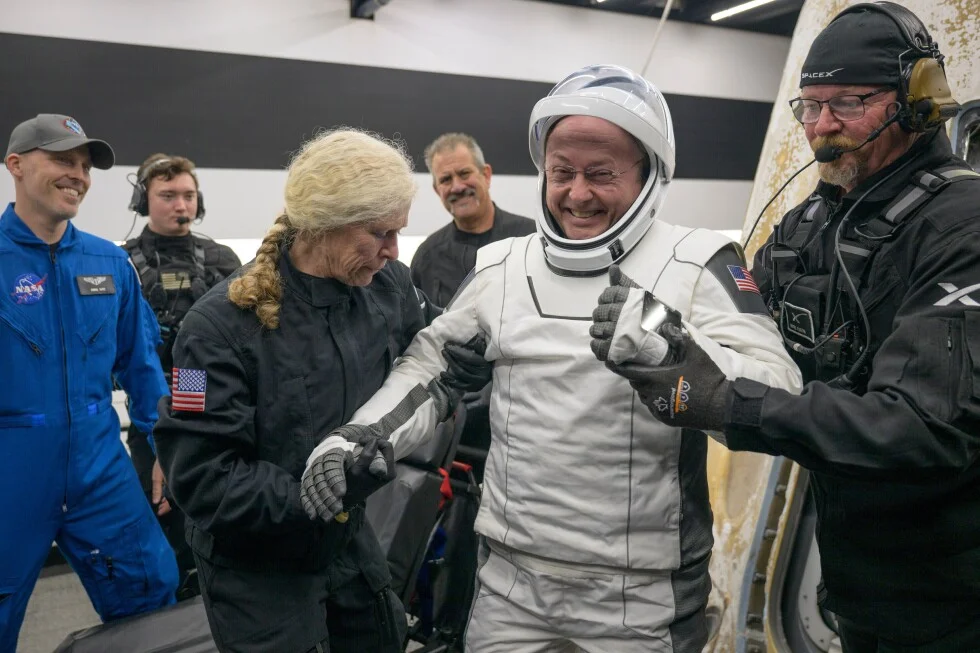
A veteran NASA astronaut, Michael Fincke, suddenly lost the ability to speak aboard the International Space Station for about 20 minutes, triggering emergency protocols and NASA’s first in-orbit medical evacuation. No cause was identified, highlighting the limits of space medicine and raising concerns about health risks on longer missions like Artemis II.
NASA is investigating a mid-January medical episode in which Pittsburgh astronaut Mike Fincke suddenly couldn't speak aboard the International Space Station; doctors ruled out a heart attack, but the exact cause remains unknown after ultrasound tests and extensive medical reviews, prompting an early return for Fincke and the canceled spacewalk for crewmates—though Fincke says he feels fine and hopes to fly again one day.
NASA astronaut Michael Fincke suffered a sudden, unexplained medical episode on the ISS that left him unable to speak. Doctors ruled out a heart attack, and the crew returned to Earth early, with the incident underscoring the need for robust medical systems as NASA plans longer lunar missions under Artemis II.
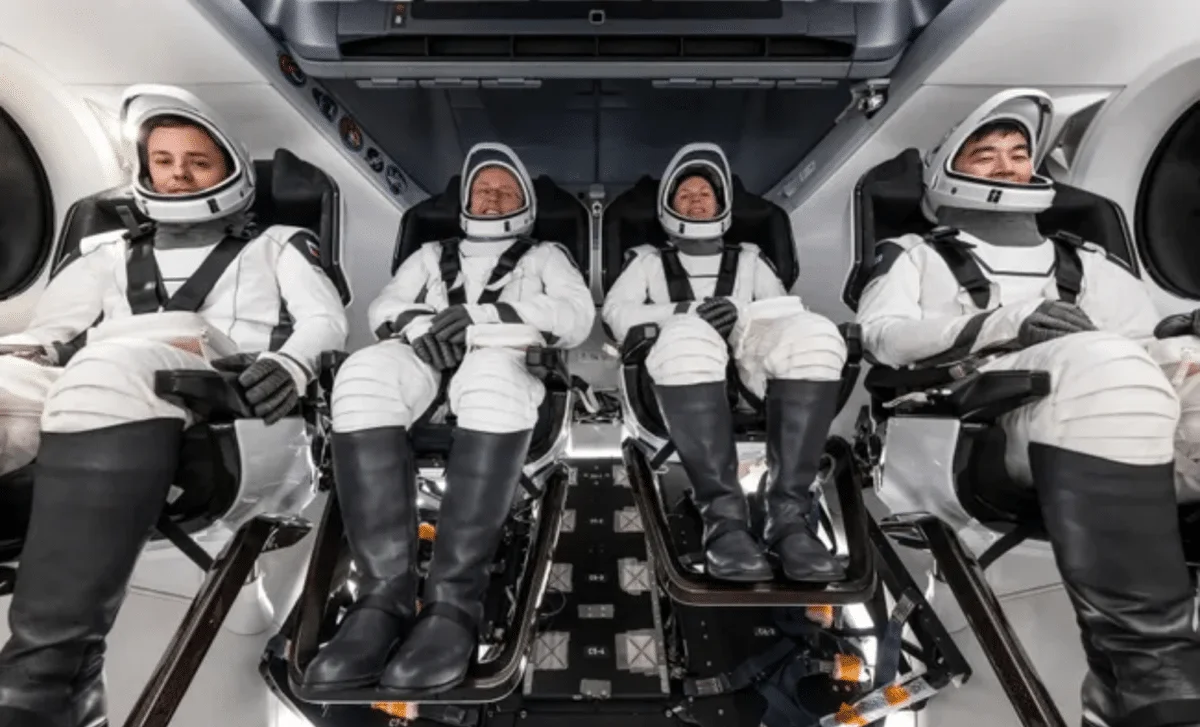
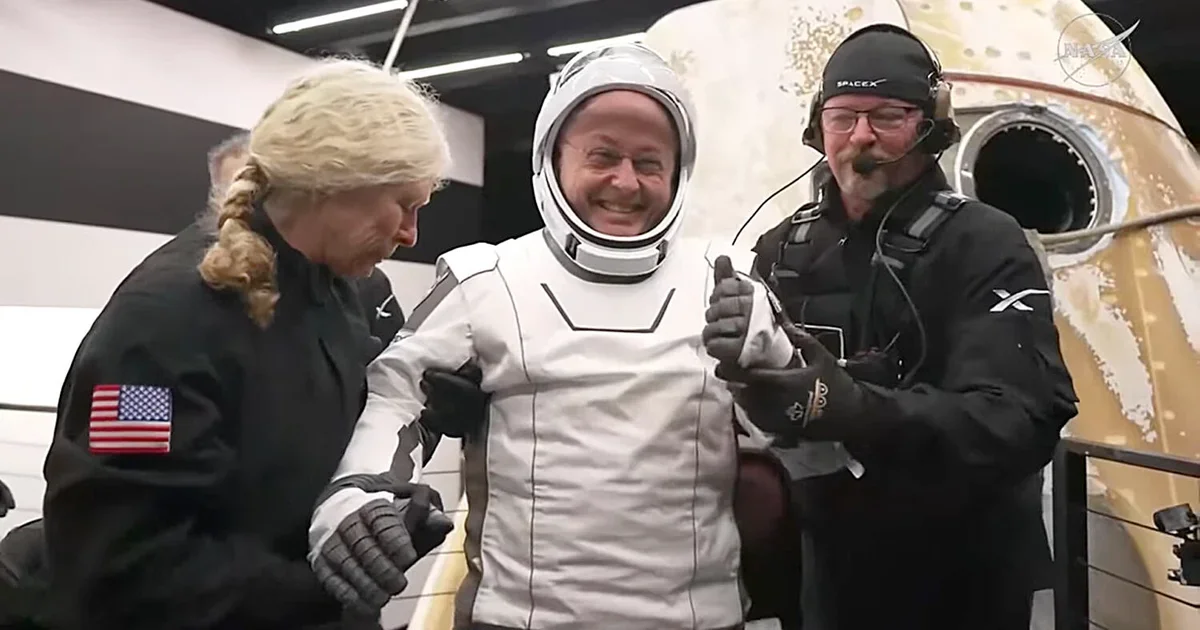
NASA says veteran astronaut Mike Fincke experienced a sudden medical scare during the SpaceX Crew-11 mission and re-entry, but the cause remains unclear as investigators review what happened ahead of a safe splashdown near San Diego on January 15, 2026.
The first medically evacuated astronaut in 25 years from the ISS underscores how space health care is evolving: while NASA hasn’t disclosed details of the Crew-11 incident, crews rely on onboard medical officers and telemedicine with Earth experts; space-related health issues—dermatoses, congestion, sleep disruption, and musculoskeletal injuries—are common, and as missions extend deeper into space, Earth-independent medical operations and AI-assisted care will become increasingly important—though the episode also shows how far medicine in space has come.
China’s Shenzhou-21 crew—Zhang Lu, Wu Fei, and Zhang Hongzhang—nearly 80 days in orbit as they advance diverse experiments aboard the Chinese space station, including interactive tests with the intelligent robot Xiaohang (touch, autonomous flight) and data collection to optimize its motion. In space medicine, they use a Raman spectrometer to analyze urine metabolites and collect saliva to study space-associated microbial changes; they also gather samples for a project on the origin of the genetic code and chirality in space. In microgravity physics, they continue electrochemical optical tests on lithium‑ion batteries for space use. Maintenance tasks included replacing a sampling cover in the combustion science cabinet, disassembling/reassembling modules, and swapping samples in the fluid physics cabinet. A system-wide pressure emergency drill strengthened crew-ground coordination, and regular medical checks and exercise were conducted.
Scientists at ETH Zurich have successfully 3D printed muscle tissue in microgravity conditions using parabolic flights, marking a significant step toward creating functional human organs for transplantation and advancing space medicine. This research could help address organ donor shortages and improve health for astronauts on long missions.
NASA is deploying tiny lab devices called organ chips with human cells aboard Artemis II to study how space affects human biology, focusing initially on bone marrow, to improve health protections for astronauts on lunar and Mars missions. These chips will help personalize medical care, predict responses to space radiation, and enhance safety during long-duration space travel.
The article discusses the challenges of human space travel, particularly to Mars, highlighting how space medicine can improve astronaut health and potentially benefit health on Earth by addressing issues like osteoporosis, muscle loss, and metabolic changes caused by microgravity. It also notes that current astronaut selection is limited by health criteria, but advances in space medicine could broaden eligibility and support long-term space missions.
Three NASA astronauts, who recently returned from an extended mission on the International Space Station, declined to reveal which one of them was hospitalized for a medical issue after their SpaceX capsule landed. The astronauts, including Michael Barratt, Matthew Dominick, and Jeanette Epps, emphasized the unpredictable nature of spaceflight and its effects on the human body. NASA cited medical privacy for not disclosing details about the health issue.
Three NASA astronauts, who returned to Earth after 235 days in space, were taken to a Florida hospital as a precaution but are reportedly in good health. The astronauts, including Michael Barrett, cited medical privacy laws for not disclosing details about the hospital visit, stating that space flight still presents unexpected challenges. Their return was delayed due to technical issues with Boeing's Starliner capsule and weather conditions. The astronauts shared experiences of readjusting to Earth's gravity, highlighting the physical discomforts of returning to normal life.
NASA has remained tight-lipped about why the Crew-8 astronauts were hospitalized after their return from the International Space Station, citing medical privacy and ongoing evaluations. Despite a normal splashdown, one astronaut stayed overnight in the hospital due to an unspecified issue. NASA emphasizes the importance of safety and medical privacy, while a NASA safety panel member urged SpaceX to maintain focus on crew safety. The mission faced delays due to weather and was extended to support other missions, highlighting the complexities of long-duration spaceflight.
A new study involving 24 astronauts aboard the International Space Station has found that headaches are more common in space than previously known, with 22 of the 24 astronauts reporting experiencing headaches during their missions. The study suggests that different processes are involved in early and later headache episodes, possibly related to the body's adaptation to the lack of gravity and fluid accumulation in the upper body and head. This research adds to the growing understanding of the effects of space travel on the human body, including potential barriers to long-duration space travel, such as trips to Mars.
A study involving 24 astronauts from various space agencies has revealed that headaches are more common in space travel than previously known, with 22 of the 24 astronauts experiencing headaches during their time aboard the International Space Station. The headaches varied in type and timing, with some resembling migraines and others tension headaches. The study suggests that the lack of gravity during space travel may lead to an increase in intracranial pressure, causing the headaches. This adds to the growing body of research on the effects of space travel on the human body, raising concerns for long-duration space missions.
A new study involving 24 astronauts from various space agencies has revealed that astronauts are more likely to experience headaches in space than previously known, with all but two reporting headaches during their time aboard the International Space Station. The study found that the headaches varied in type and timing, with some resembling migraines and others tension headaches. The researchers hypothesize that different mechanisms are involved for early and later headache episodes, possibly related to the body's adaptation to microgravity and an increase in intracranial pressure. This study adds to the growing understanding of the effects of space travel on the human body, highlighting the need for further research in the field of space medicine, especially as human space travel extends to longer durations and more distant destinations.