Tag

Long Duration Spaceflight

All articles tagged with #long duration spaceflight

Space constipation explained: microgravity reshapes gut bacteria and risks on long missions
space4 days ago

Space constipation explained: microgravity reshapes gut bacteria and risks on long missions

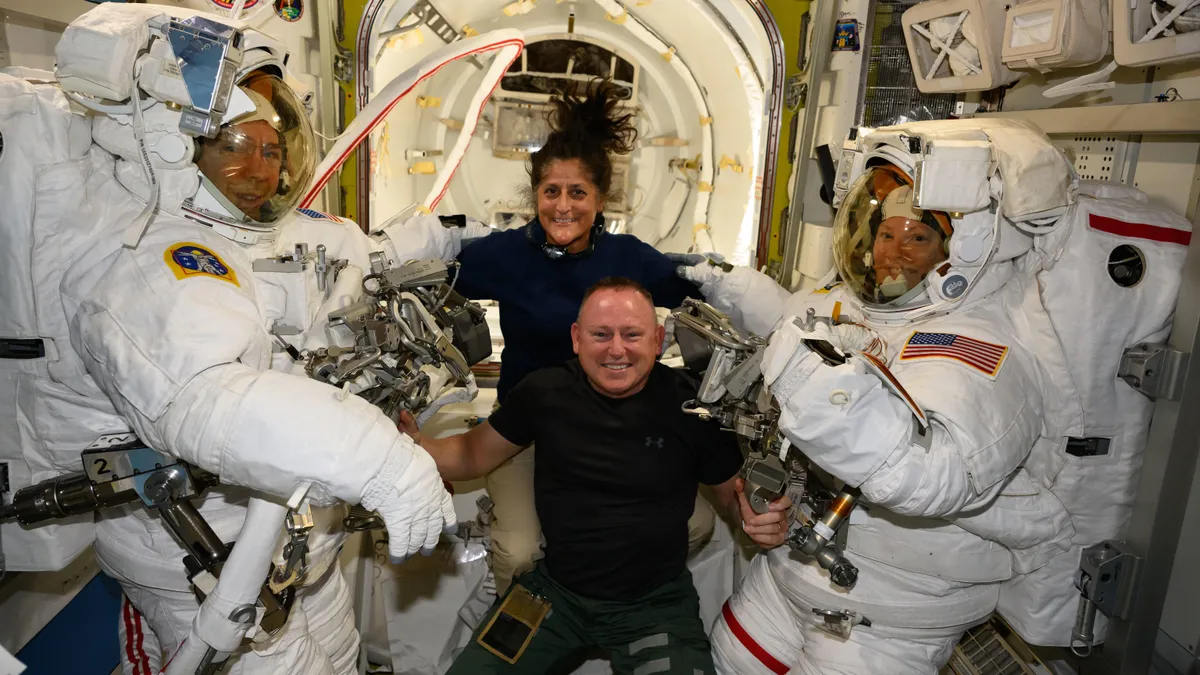
A NASA-backed Nature Communications study analyzed more than 400 blood samples from 52 astronauts who stayed on the International Space Station for 2+ months (2006–2018) and found microgravity slows gut movement and shifts gut bacteria to ferment protein more than usual, helping explain space constipation. While dietary changes (caffeine, fish, fat) influence metabolites, microgravity is the main driver; the resulting protein‑fermentation byproducts may be linked to kidney stress, mood changes, and gut inflammation—risks that could grow on longer missions to Mars. Researchers suggest countermeasures like higher‑fiber diets, probiotics, or ways to boost peristalsis, noting the findings could also illuminate bed‑rest effects on Earth.

437 Days in Orbit: Polyakov’s Mars-Readiness Proof That Never Reached Mars
space2 months ago

437 Days in Orbit: Polyakov’s Mars-Readiness Proof That Never Reached Mars

Valeri Polyakov’s 437 days aboard the Mir space station (1994–95) remains the longest continuous human spaceflight and was explicitly designed to validate a round-trip Mars mission. He tracked and countered physiological effects—bone density and muscle loss, cardiovascular changes, and Spaceflight-Associated Neuro-ocular Syndrome—while refining exercise and medical protocols. He walked unaided from the Soyuz after 14.5 months, declaring that “We can fly to Mars.” Since then, no mission has exceeded 437 days, as modern programmes favor shorter rotations due to radiation and risk management. The acquired data remains the essential baseline for future Mars missions, now targeted for the early 2030s, leaving Polyakov’s record as a historic milestone waiting for practical application.

NASA's Mars Analog Mission Reaches 200 Days in Secluded Habitat
science3 months ago

NASA's Mars Analog Mission Reaches 200 Days in Secluded Habitat

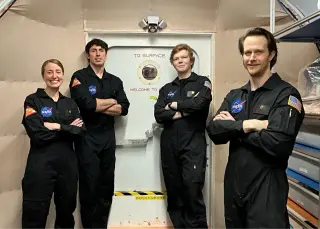
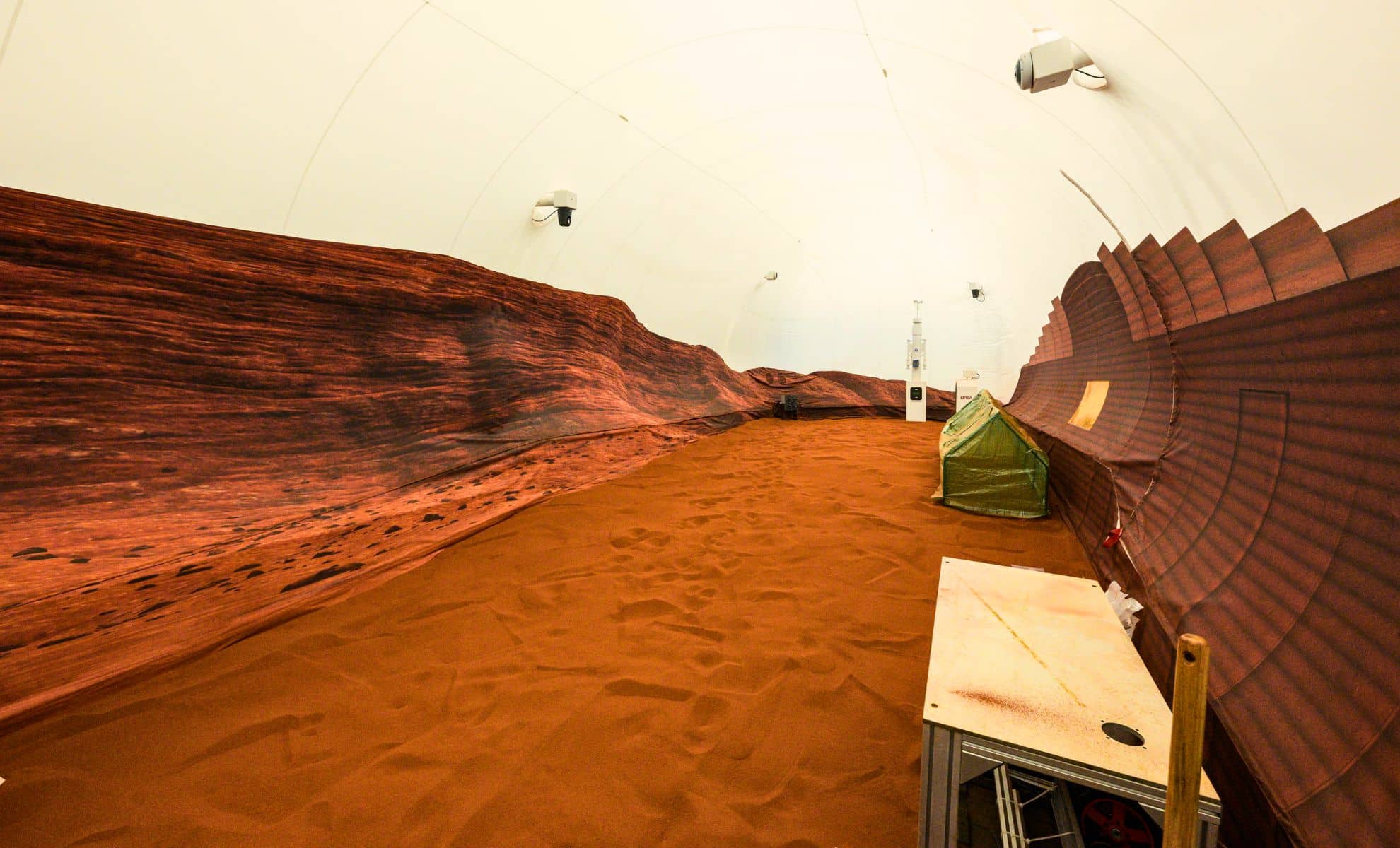
NASA's CHAPEA mission 2 marks 200 days of a 378-day Mars simulation inside a 1,700-square-foot habitat at Johnson Space Center, enduring a planned two-week communications blackout while Commander Ross Elder, medical officer Ellen Ellis, science officer Matthew Montgomery, and flight engineer James Spicer conduct geology, robotics, habitat upkeep, crop growth, and health monitoring to study how crews perform under isolation and limited resources for future Moon and Mars missions.

Space-grown mushrooms test future nutrition for deep-space missions
science-tech6 months ago

Space-grown mushrooms test future nutrition for deep-space missions

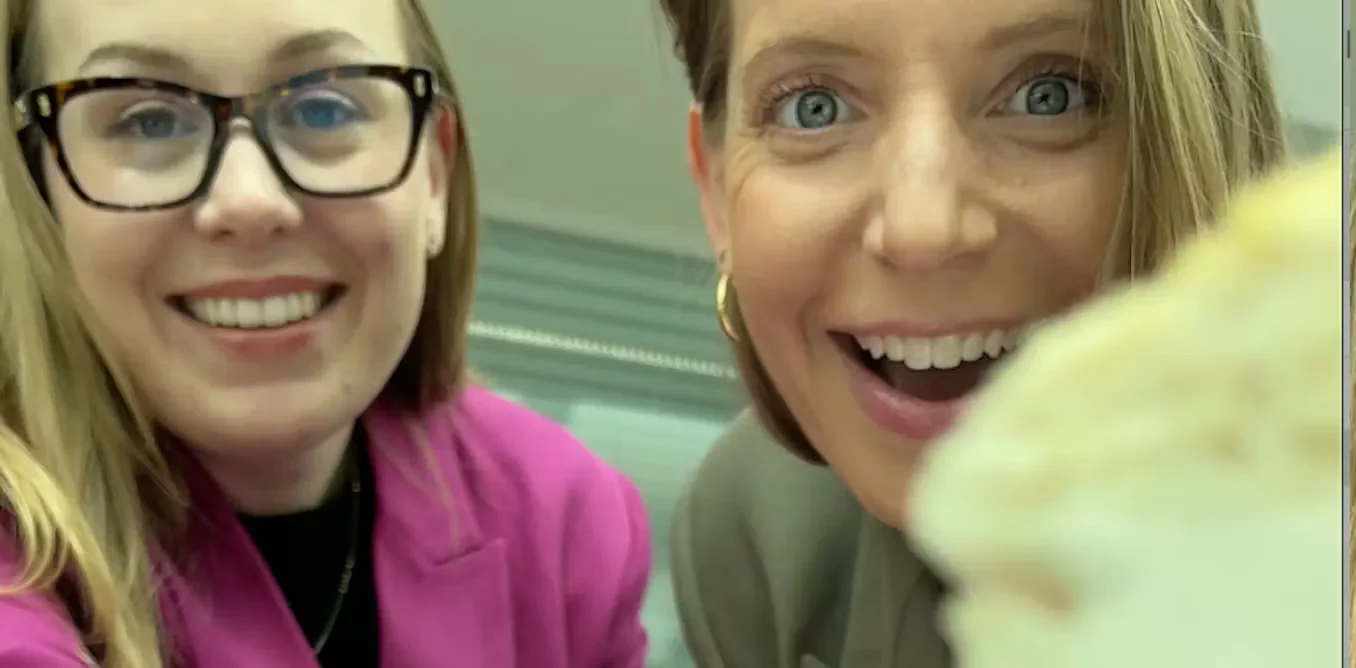
Researchers grew edible fungi (lion’s mane, turkey’s tail, cordyceps) as mycelium aboard the ISS in 2024 to explore space nutrition for long missions. After returning to Earth, the samples were cultivated into mushrooms on Earth, eaten in recipes, and shown to continue producing harvests in various environments, suggesting microgravity doesn’t hinder their growth and hinting at space-provisioned food for future expeditions like Artemis II.

Unveiling Spaceflight's Cellular Impact on Astronaut Health
science1 year ago

Unveiling Spaceflight's Cellular Impact on Astronaut Health

A recent scientific report highlights that long-duration space travel causes mitochondrial damage in astronauts, akin to accelerated aging. This damage is attributed to increased radiation and zero gravity, which affect cellular health. The lack of Earth's magnetic field in space further complicates the issue, posing challenges for future space settlements. As private space missions increase, more data on long-term health effects will be crucial to address these challenges.

Year-Long Mars Simulation: Volunteers Sealed in Isolated Habitat by NASA
space-exploration3 years ago

Year-Long Mars Simulation: Volunteers Sealed in Isolated Habitat by NASA

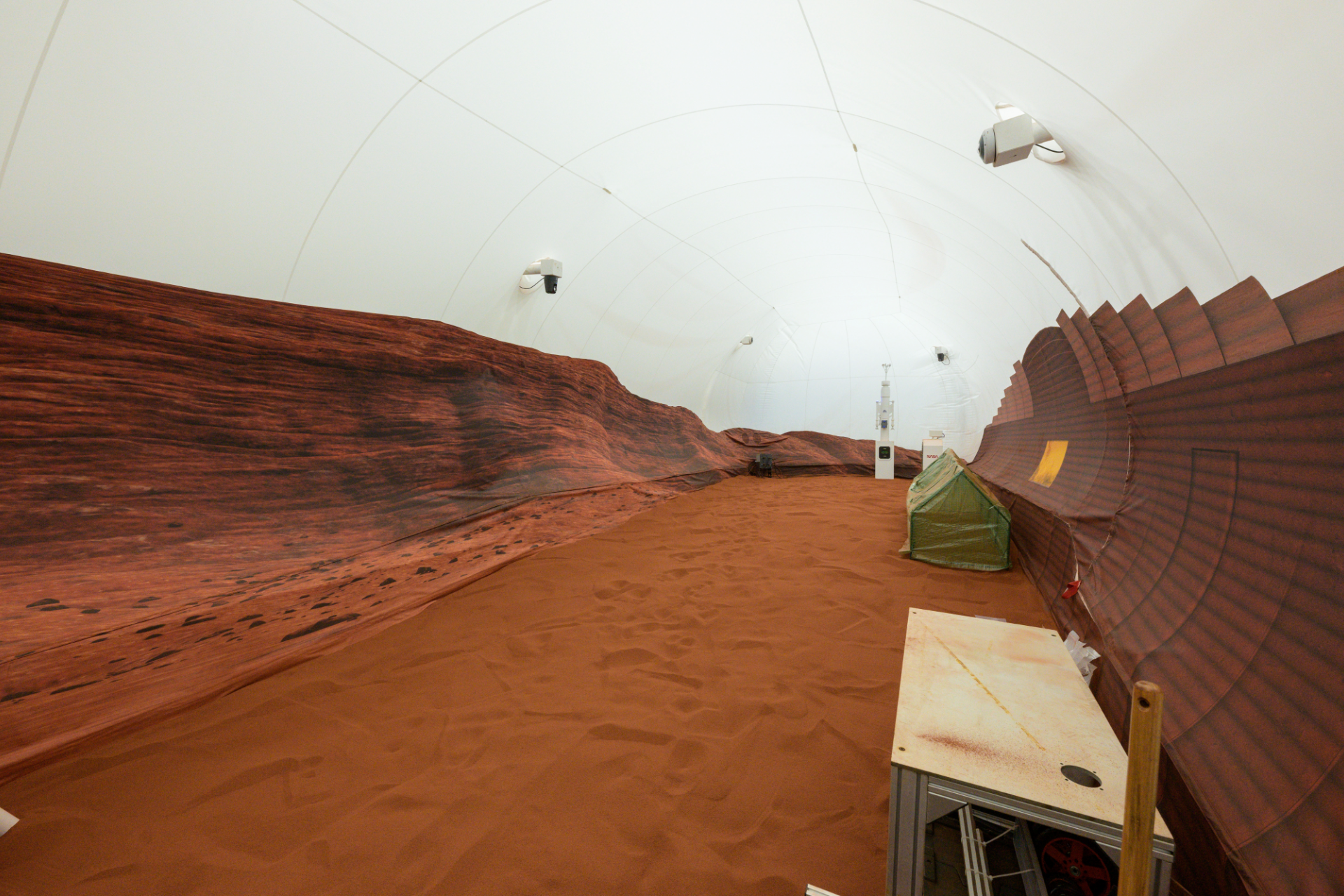
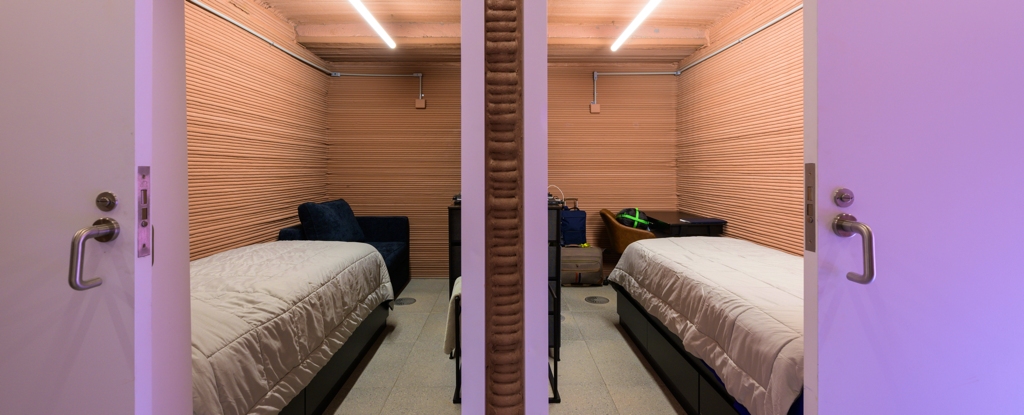
NASA has sealed four volunteers into a simulated Martian habitat, called Mars Dune Alpha, for a year-long experiment called CHAPEA (Crew Health and Performance Exploration Analog). The mission aims to study the logistics and human psychology of long-term living on another planet. The crew will live, work, exercise, sleep, and perform experiments in the 1700 square-foot 3D-printed habitat, and will also participate in simulated spacewalks using virtual reality. The mission will provide insights into the physical and behavioral aspects of a Mars mission, helping NASA prepare for future manned missions to the red planet.

space-exploration3 years ago

"Four Volunteers Begin Year-Long Mars Simulation in NASA Habitat"

NASA has locked four volunteers into a simulated Martian habitat for a one-year mission called CHAPEA (Crew Health and Performance Exploration Analog) to study the logistics and human psychology of long-term living on another planet. The crew will live, work, exercise, sleep, and perform experiments in the 1700 square-foot 3D-printed living space called Mars Dune Alpha. They will also engage in simulated spacewalks and follow a time-delayed communication system. The mission aims to gather insights on the physical and behavioral aspects of a Mars mission and prepare for future manned missions to the red planet.