
Antarctic ice captures stardust from ancient supernovas, revealing our solar system’s past
TL;DR
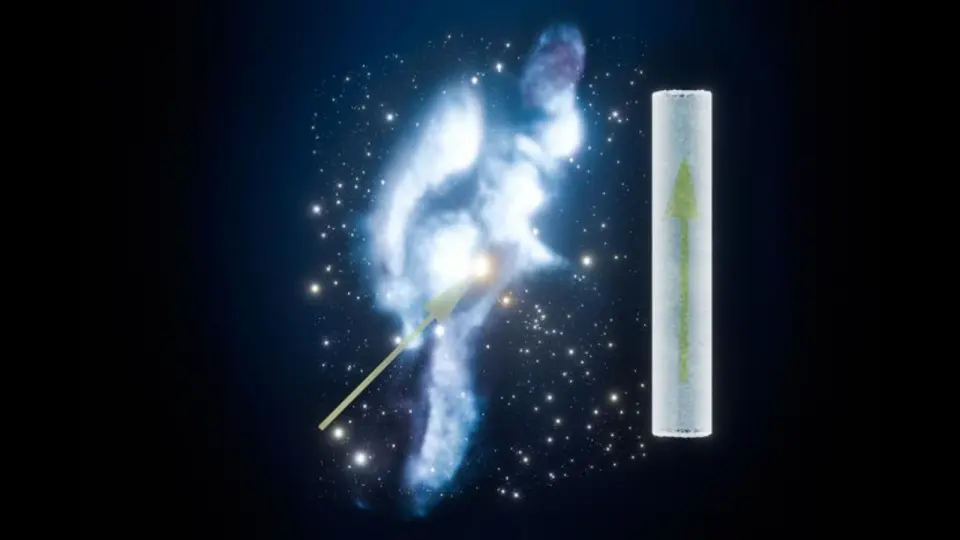
Scientists analyzed 40,000–80,000-year-old Antarctic ice and found iron-60, a radioactive byproduct of ancient supernovas, embedded in stardust likely carried through the Local Interstellar Cloud before reaching Earth. The results suggest interstellar dust from stellar explosions can penetrate the solar system, linking our solar neighborhood’s history to past supernovae and offering clues about how interstellar material interacts with our planet.
- Scientists found stardust trapped in Antarctic ice. What could it tell us about our solar system? Space
- Finding Stardust in the Ice American Physical Society
- Surrounded by stardust: Antarctic ice cores confirm Earth is accumulating iron-60 from local interstellar cloud Phys.org
- Iron and Ice: Earth's Passage Through the Interstellar Cloud Universe Today
- Stardust trapped in Antarctic ice reveals tens of thousands of years of Solar System’s past ANU College of Science and Medicine
Want the full story? Read the original reporting
Read on Space