
Cobalt skies, glass rain: HD 189733b’s blue hue isn’t Earth-like
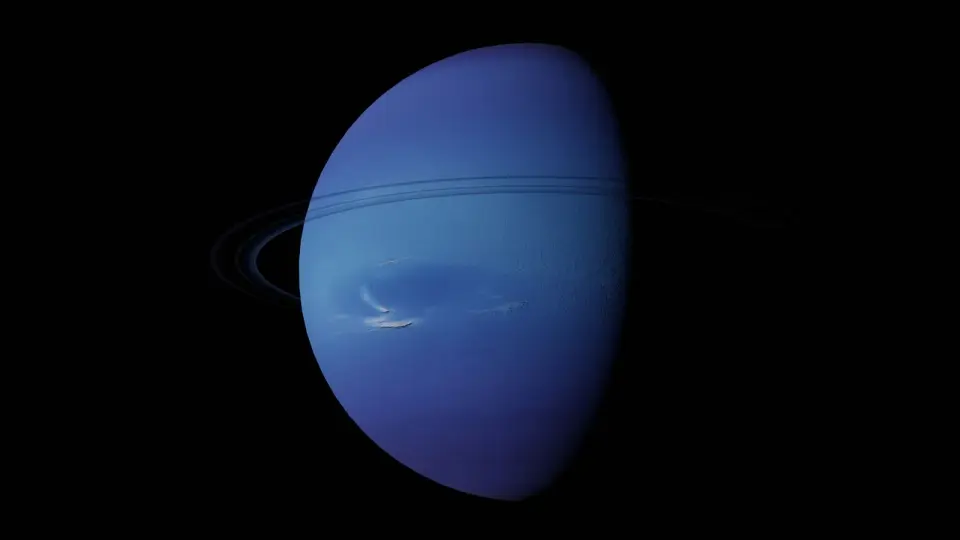
TL;DR
HD 189733b looks like a cobalt Earth from afar, but its blue color comes from silicate hazes in a scorching gas giant atmosphere, not oceans. Molten silicate droplets condense into glass and can rain sideways driven by winds around 7,000 km/h, giving a vivid blue appearance with no solid surface. The planet is about 63 light-years away and its color was directly measured by the Hubble Space Telescope in 2013, highlighting how a blue hue can mislead about a world’s true nature.
- HD 189733b looks deep blue from space, almost Earth-like at first glance — but its colour comes not from oceans, but from silicate particles in a scorching atmosphere where glass may rain sideways through winds of thousands of kilometres an hour. Space Daily
- Cotton-candy planets and metal rain: NASA finds some of the strangest worlds in space The Times of India
Want the full story? Read the original reporting
Read on Space Daily