
Enceladus' Ocean Holds Key Building Block for Life
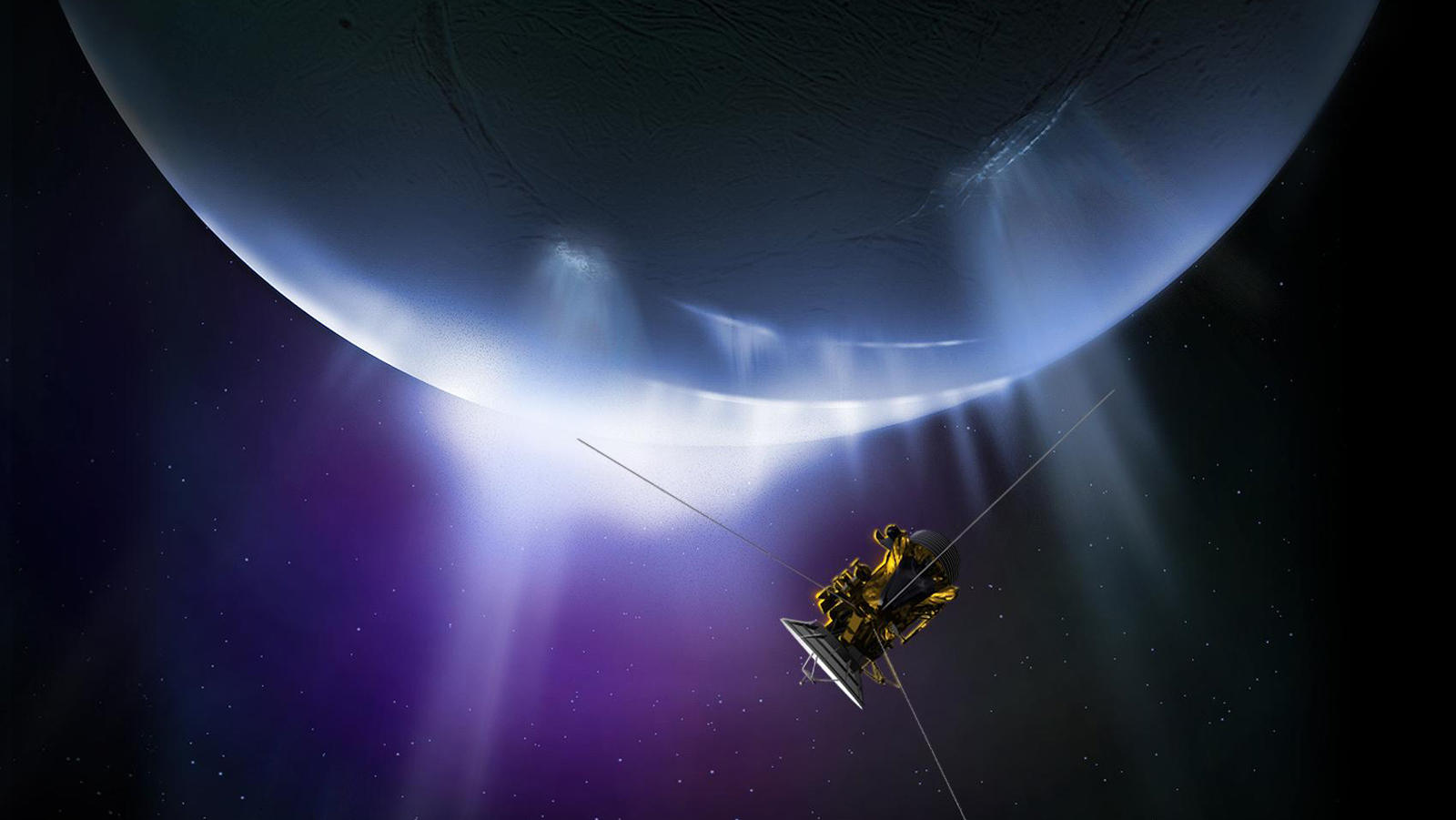
NASA's Cassini mission has discovered phosphorus, a key chemical element for life, in icy grains emitted from Saturn's moon, Enceladus. The discovery hints at the potential for life-supporting conditions in Enceladus' subsurface ocean and possibly other icy ocean worlds. Enceladus is known to possess a subsurface ocean, and water from that ocean erupts through cracks in Enceladus' icy crust as geysers at its south pole, creating a plume. The plume then feeds Saturn's E ring with icy particles. The discovery of phosphorus, a building block for DNA and energy-carrying molecules, is a significant step towards understanding the habitability potential of other icy ocean worlds throughout the solar system.
- Building Block for Life Discovered in Enceladus' Ocean by NASA's Cassini Spacecraft SciTechDaily
- One Of Saturn's Moons Reveals Incredibly Rare Building Block For Life Giant Freakin Robot
- Saturn's moon Enceladus has key ingredient for life Axios
- Phosphorus discovery on Saturn's moon provides hope for finding life Euronews
- ET out there? Alien-friendly conditions detected on Saturn's Moon Enceladus HT Tech
Reading Insights
0
9
5 min
vs 6 min read
91%
1,177 → 108 words
Want the full story? Read the original article
Read on SciTechDaily