Tag

Subsurface Ocean

All articles tagged with #subsurface ocean

Starless Rogue-Moon Orbits Could Sustain Long-Lived Subsurface Oceans
science14 hours ago

Starless Rogue-Moon Orbits Could Sustain Long-Lived Subsurface Oceans

A 2025 arXiv modelling study suggests moons bound to planets ejected by supernovae could remain in interstellar space and heat internal oceans via tidal flexing, potentially keeping subsurface oceans for billions of years without sunlight. In simulations, 12–15% of cases yielded heating within the Europa/Enceladus range; surfaces would stay frozen and oceans would be buried, but the internal heat could sustain liquid water. The work is theoretical and depends on model inputs, and no confirmed rogue-planet moons have been observed yet; still, it widens habitable-setting thinking beyond star warmth.

Europa's Buried Ocean: Galileo’s Point Sparks a Vast Subsurface Sea
science7 days ago

Europa's Buried Ocean: Galileo’s Point Sparks a Vast Subsurface Sea

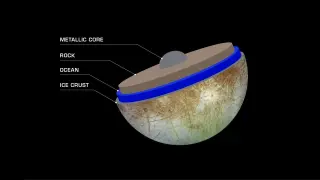
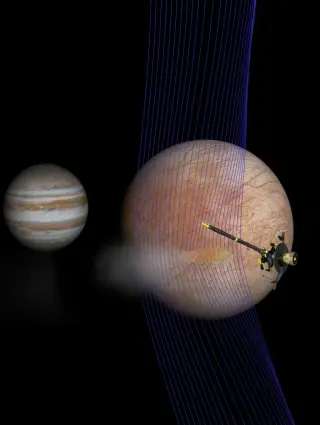
From Galileo's 1610 sighting of a tiny moon near Jupiter, scientists now consider Europa to host a global salty ocean buried under kilometers of ice, potentially larger than Earth's oceans. Magnetic data and surface geology suggest a 60–150 km-deep ocean under a 15–25 km ice shell, but no direct samples exist yet. NASA's Europa Clipper will study the ice shell, ocean, and chemistry to assess habitability without drilling through the ice or directly seeking life.

Europa's Fresh Surface Hints at a Hidden Ocean
space18 days ago

Europa's Fresh Surface Hints at a Hidden Ocean

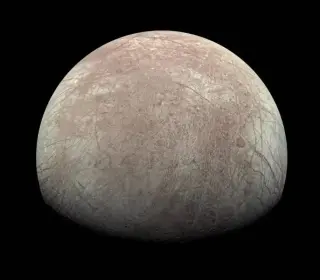
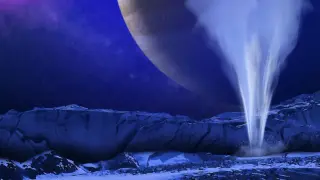
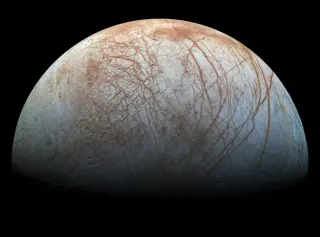
Europa’s surface is unusually crater-free, implying a young, constantly renewed ice crust. Tidal heating from Jupiter sustains internal warmth, likely keeping a global salty ocean beneath the ice; ridges, chaos terrain and possible plumes point to ongoing resurfacing that erases craters. The Europa Clipper and ESA’s JUICE missions will map the ice and probe for direct ocean evidence to test these ideas.

Ceres Reveals Hidden Brines and Cryovolcanic Activity Beneath Occator Crater
space1 month ago

Ceres Reveals Hidden Brines and Cryovolcanic Activity Beneath Occator Crater

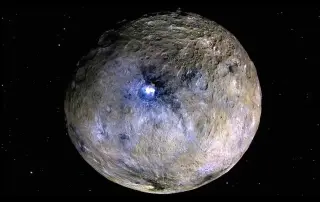
NASA’s Dawn data show Ceres has a complex surface with a gravity anomaly indicating subsurface brines beneath Occator crater, where bright deposits like Cerealia Facula and Vinalia Facula suggest recent cryovolcanic activity. The findings point to a possible past subsurface ocean, a high water content around 25%, and ongoing surface modification from impacts, making a future orbiter/lander sample-return mission plausible to study these features in detail.

Galileo’s Swan Song: NASA Sacrificed a Probe to Shield Europa’s Hidden Ocean
space1 month ago

Galileo’s Swan Song: NASA Sacrificed a Probe to Shield Europa’s Hidden Ocean

In 2003 NASA deliberately crashed the Galileo spacecraft into Jupiter to prevent a potential contaminant from a drifting probe reaching Europa, after data suggested a subsurface salty ocean on Europa (and discoveries about other Jovian moons). The decision reflected planetary-protection rules: if a world could harbor life, a failing or abandoned spacecraft must not risk introducing Earth biology. Galileo’s extended mission delivered key findings about Europa, Ganymede, and Callisto, and its disposal set a precedent for how future outer-planet missions are planned to avoid contaminating ocean worlds like Europa.

Enceladus: sampling an alien ocean without landing via its plume
space1 month ago

Enceladus: sampling an alien ocean without landing via its plume

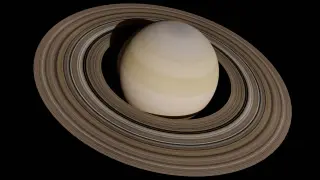
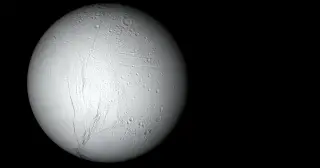
Enceladus, a small moon of Saturn, hides a global ocean beneath its ice and vents a plume of water vapor and ice grains through south-pole fractures, feeding Saturn’s E ring. Cassini flew through this plume from 2004–2017, sampling material from the ocean that had been altered en route and finding organic compounds and phosphorus, which points to habitability rather than life—no life-detection instruments were onboard. Future missions with dedicated biosignature instruments could probe further, but none are funded yet; current insights come from re-analysis of Cassini data and the plume’s status as a processed sample of an alien ocean.

Miranda's Hidden Ocean Reframes the Search for Life on Uranus' Moon
space4 months ago

Miranda's Hidden Ocean Reframes the Search for Life on Uranus' Moon

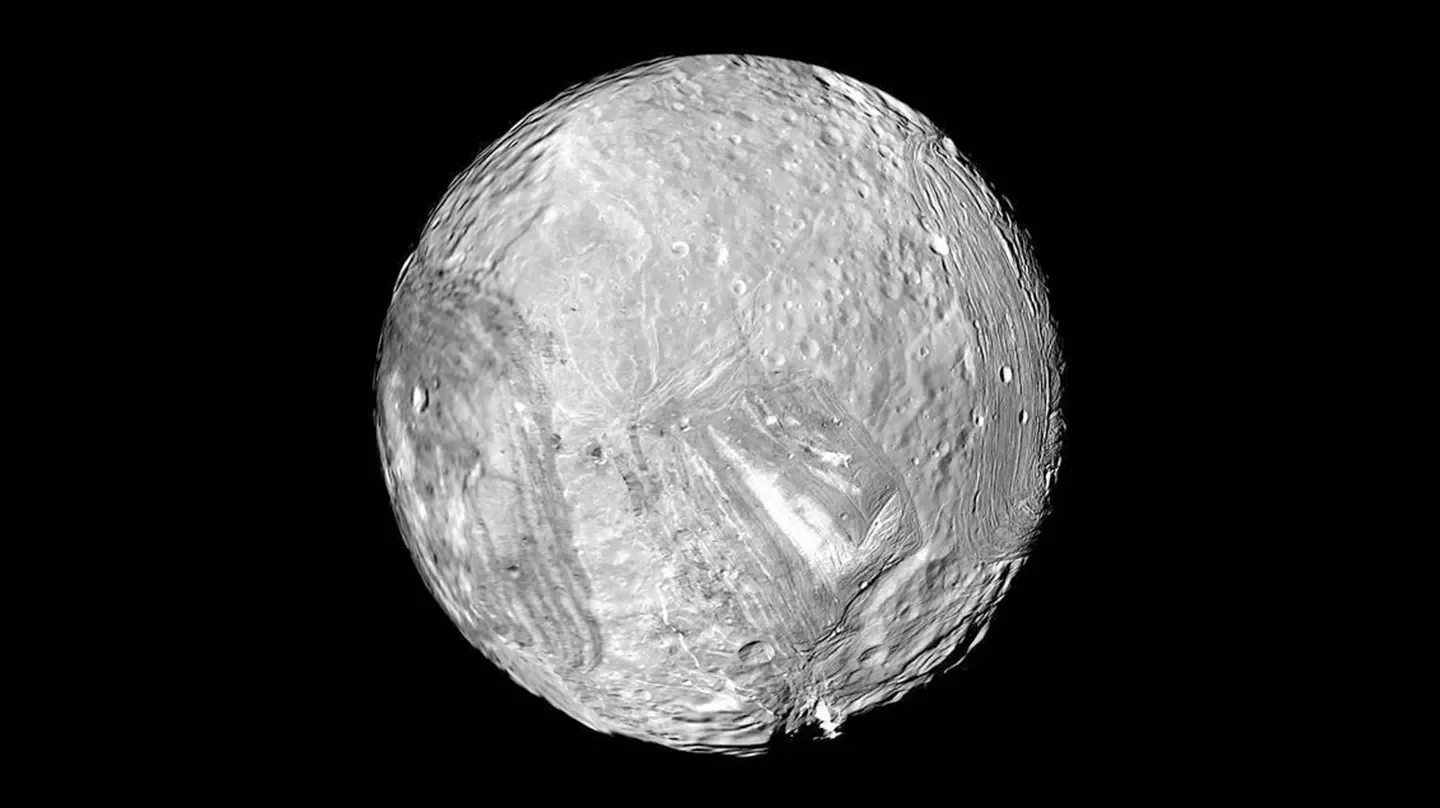
A Planetary Science Journal study reexamining Voyager 2 data suggests Miranda, a moon of Uranus, could have hosted a deep subsurface ocean (potentially ≥100 km) in the last 100–500 million years, with tidal heating possibly keeping liquid water inside. While conclusive evidence of life isn’t found, this makes Miranda a notable candidate in the broader search for extraterrestrial life and informs the Drake Equation’s life-fraction term.

Drifting surface ice could ferry life-supporting chemicals to Europa’s hidden ocean
space5 months ago

Drifting surface ice could ferry life-supporting chemicals to Europa’s hidden ocean

Washington State University researchers model lithospheric foundering on Jupiter’s moon Europa, showing that salt-rich surface ice can sink through the ice shell and transport oxidants formed by Jupiter’s radiation into the subsurface ocean in as little as 30,000 years, potentially delivering the ingredients needed for life and informing upcoming Europa Clipper investigations.

Scientists Investigate Spider-Like Feature on Europa Indicating Possible Subsurface Water
science6 months ago

Scientists Investigate Spider-Like Feature on Europa Indicating Possible Subsurface Water

Scientists have identified a large, spider-shaped surface feature on Jupiter's moon Europa, called Damhán Alla, which may indicate water erupting through the ice shell and suggest the presence of a subsurface ocean, making Europa a promising candidate for extraterrestrial life. The feature resembles Earth's lake stars and was first observed by NASA's Galileo mission, with further studies potentially revealing more about Europa's hidden water reservoirs.