
Fragile Orbits: Could a Debris Cascade Spin Out of Control?
TL;DR
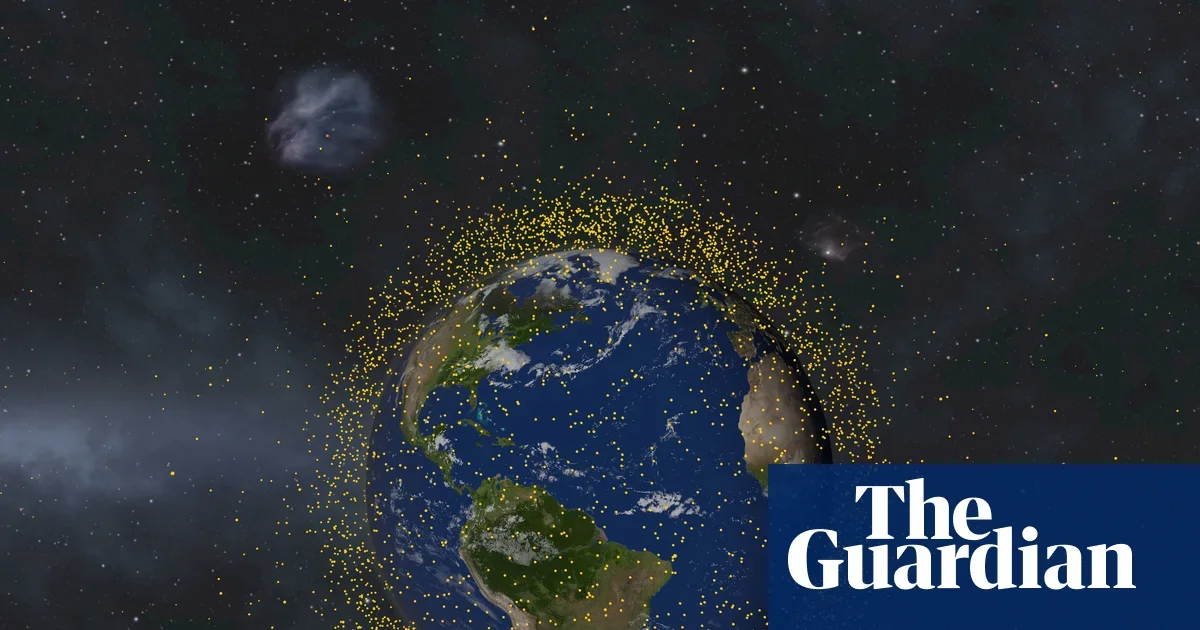
The Guardian piece explains Earth’s orbit is now a crowded, evolving space: about 32,000 objects are currently tracked, with private mega‑constellations like Starlink driving a rapid rise in satellites and debris. Projections suggest as many as 60,000 active satellites by the end of the decade. A collision cascade—where one crash produces fragments that collide with more satellites—could rapidly worsen conditions, potentially making launches dangerous and the orbital environment unsustainable. Experts like Jonathan McDowell warn the system is fragile and hinges on continuous cooperation; deorbiting, nets, lasers and stronger space governance are being explored to avert a debris catastrophe.
- ‘This feels fragile’: how a satellite-smashing chain reaction could spiral out of control The Guardian
- Limiting space junk’s threat by predicting its mess in the Earth-moon neighborhood Purdue University
- Increasing amount of space debris threatens US systems, NRO Deputy Director warns Innovation News Network
- Scientists aim to curb space junk risks by using AI to locate debris in the Earth–Moon region starlust.org
- Thousands of satellites will fall from space by 2030. Are we ready? Yahoo News Canada
Want the full story? Read the original reporting
Read on The Guardian