Tag

Megaconstellations

All articles tagged with #megaconstellations

Megaconstellation Pollution Could Quietly Cool Earth by 2029, Study Finds
science2 days ago

Megaconstellation Pollution Could Quietly Cool Earth by 2029, Study Finds

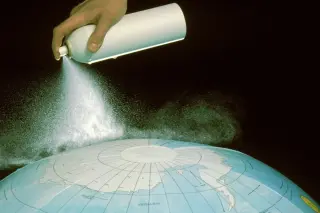
A study in Earth's Future warns that pollution from deorbiting megaconstellation satellites and rocket launches could reduce sunlight enough to have a cooling effect comparable to solar geoengineering by 2029; satellites already account for about a quarter of space industry climate impact and are expected to rise to 42% by 2029, with annual rocket soot around 870 metric tons; while this cooling might seem beneficial amid warming, the effects are uncertain and the lack of regulation poses risks, prompting calls for caution and policy action.

Satellite Boom Could Leave Uncharted Climate Footprint, Study Warns
science7 days ago

Satellite Boom Could Leave Uncharted Climate Footprint, Study Warns

A new study projects that the rapid deployment of satellite megaconstellations will drive a growing climate impact via black carbon from rocket launches, potentially rising to about 42% of space-sector warming by 2029 as launches and propellant use increase; while soot has a cooling effect in the upper atmosphere, its impact is small compared to greenhouse gases, prompting calls for tighter regulation, better emissions tracking, and caution around unregulated growth and potential ozone or geoengineering risks.

Megaconstellations Spark Unregulated Climate Experiment, Scientists Warn
space8 days ago

Megaconstellations Spark Unregulated Climate Experiment, Scientists Warn

Scientists warn that SpaceX’s Starlink and other megaconstellations are creating a growing, unregulated high-altitude pollution problem: rocket launches emit black carbon that can have a climate impact far larger than surface sources, while re-entries release aluminum oxides that could harm the ozone. By 2029, pollution from megaconstellations could account for over 40% of space-sector emissions, and with fleets swelling toward tens or hundreds of thousands of satellites, climate effects could alter weather patterns—prompting calls for tighter regulation and more research before the growth accelerates.

Atlas V set to loft 29 Amazon Leo satellites in latest broadband milestone
space-exploration29 days ago

Atlas V set to loft 29 Amazon Leo satellites in latest broadband milestone

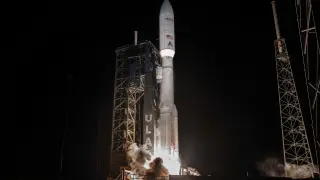
ULA’s Atlas V rocket is scheduled to launch from Cape Canaveral at 8:52 p.m. ET to deploy 29 Amazon Leo satellites for the Amazon Leo broadband constellation, marking the sixth Atlas V mission in this program and potentially tying the rocket’s heaviest payload record (~18 tons); Amazon’s long‑term plan envisions more than 3,200 satellites in low‑Earth orbit, with live coverage available on Space.com and via ULA’s feed.

Fragile Orbits: Could a Debris Cascade Spin Out of Control?
space1 month ago

Fragile Orbits: Could a Debris Cascade Spin Out of Control?

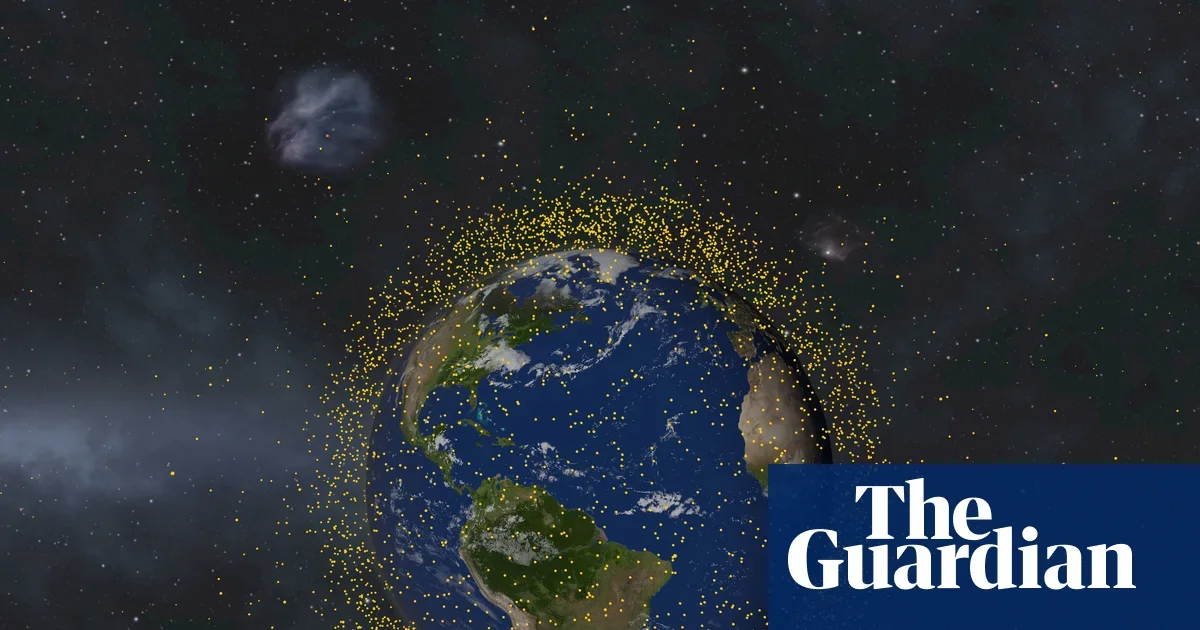
The Guardian piece explains Earth’s orbit is now a crowded, evolving space: about 32,000 objects are currently tracked, with private mega‑constellations like Starlink driving a rapid rise in satellites and debris. Projections suggest as many as 60,000 active satellites by the end of the decade. A collision cascade—where one crash produces fragments that collide with more satellites—could rapidly worsen conditions, potentially making launches dangerous and the orbital environment unsustainable. Experts like Jonathan McDowell warn the system is fragile and hinges on continuous cooperation; deorbiting, nets, lasers and stronger space governance are being explored to avert a debris catastrophe.

Megaconstellations Could Turn Earth's Atmosphere Into a Crematorium
science-tech2 months ago

Megaconstellations Could Turn Earth's Atmosphere Into a Crematorium

Researchers warn that the rapid push to satellite mega-constellations—SpaceX and other operators planning up to a million satellites—could cause vast amounts of debris to re-enter and burn up in the upper atmosphere, releasing alumina and other particulates that heat the atmosphere and deplete ozone, with potentially lasting climate impacts. Ground debris and casualty risks rise as more satellites are launched, and a million-satellite scale could significantly alter atmospheric chemistry. The piece calls for global regulation and a defined atmospheric carrying capacity for launches and re-entries, plus full lifecycle environmental assessments, urging SpaceX to take a leadership role.

Megaconstellations Threaten the Night Sky and Cultural Heritage
science-tech3 months ago

Megaconstellations Threaten the Night Sky and Cultural Heritage

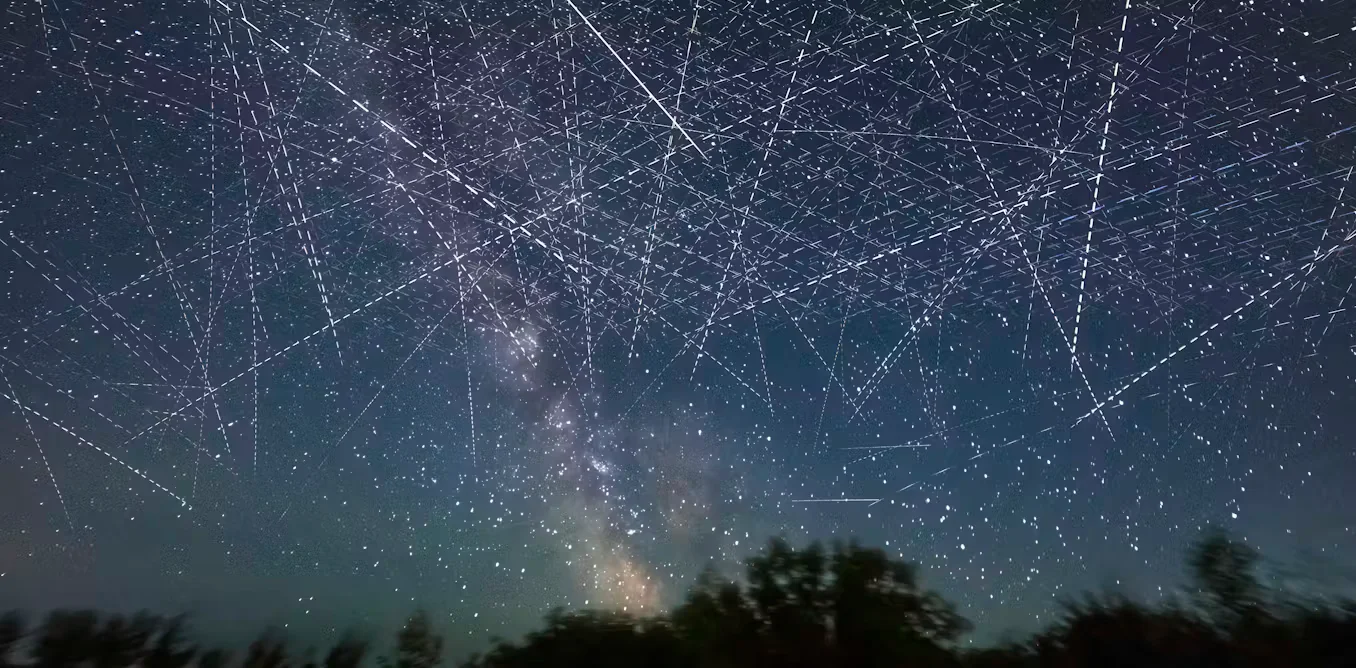
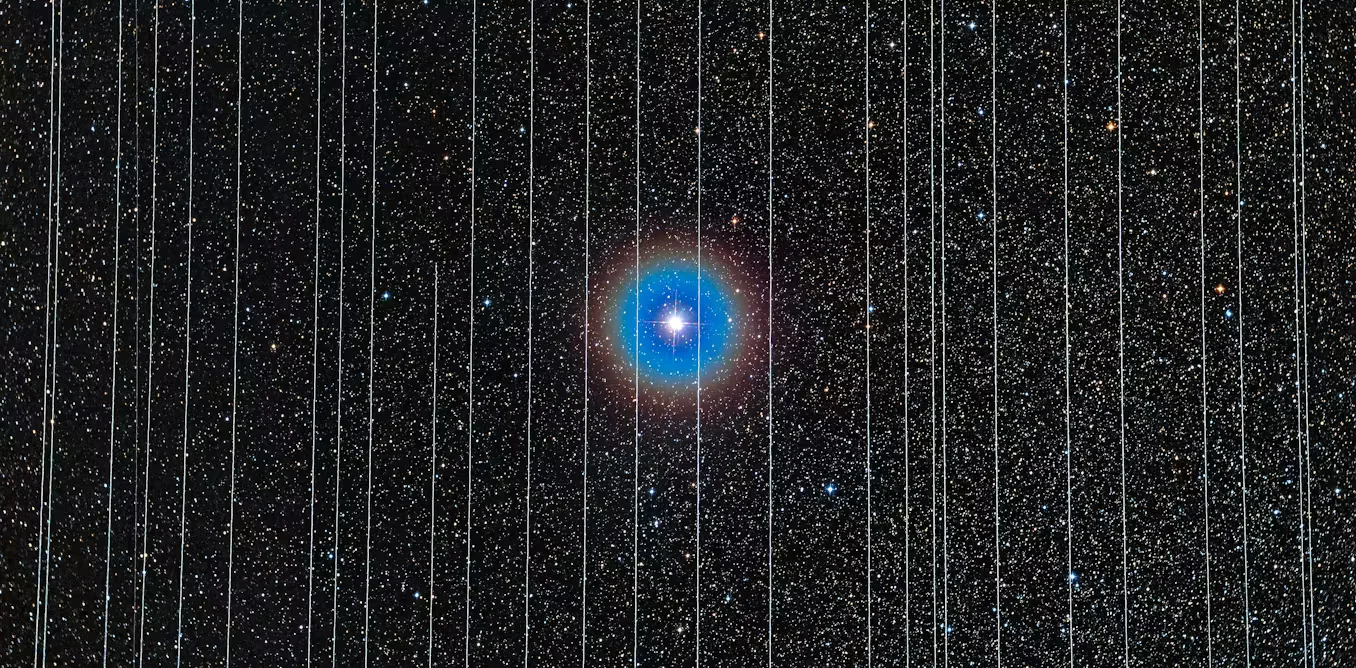
SpaceX filed for a megaconstellation of up to a million satellites to power space-based data centers, joining a boom of proposals that could raise the number of active satellites from about 14,000 today to millions. The article warns this will permanently alter the night sky, disrupt astronomy and Indigenous cultural practices, and raise environmental and regulatory gaps, noting the lack of unified space traffic management. It advocates a Dark Skies Impact Assessment to document cumulative effects, explore mitigation, and inform licensing—aiming to improve decision-making rather than veto space development.

SpaceX plots solar-powered orbital data-center megaconstellation
business3 months ago

SpaceX plots solar-powered orbital data-center megaconstellation

SpaceX has asked the FCC to authorize a constellation of up to one million satellites in low Earth orbit that would act as an orbital data center, using near-constant solar power and intersatellite optical links (with Ka-band as a backup) to deliver AI compute from space. The satellites would operate at 500–2,000 km with 30-degree and sun-synchronous inclinations to maximize sun exposure; SpaceX says the system could reduce terrestrial data-center costs and environmental impact while enabling rapid AI processing, though the filing provides few technical details and seeks waivers from usual deployment milestones with no schedule or price disclosed. The plan aligns with SpaceX’s AI ambitions and broader corporate moves, including IPO considerations and potential ties to xAI.

Solar Storms Could Collapse LEO Satellite Web in Days
space4 months ago

Solar Storms Could Collapse LEO Satellite Web in Days

New analysis warns that solar storms could trigger a rapid, near-term collapse of Earth’s LEO satellite mega-constellations if command-and-control for avoidance is lost. The study introduces the CRASH Clock, estimating a catastrophic collision could occur in about 2.8 days as of mid-2025 (versus 121 days in 2018), and a 24-hour outage carries roughly a 30% chance of seeding long-term debris cascades. Solar storms heat the atmosphere, increasing drag and degrading orbit predictions while possibly disabling satellite navigation and communications, leaving many satellites unable to dodge each other. Authored by Sarah Thiele and colleagues and posted on arXiv, the work argues for real-time tracking and control to prevent a “house of cards” collapse of space infrastructure, a risk underscored by the 2024 Gannon storm and the historic Carrington Event.

Global Efforts to Mitigate Space Junk Risks and Improve Orbital Traffic Management
science-and-technology7 months ago

Global Efforts to Mitigate Space Junk Risks and Improve Orbital Traffic Management

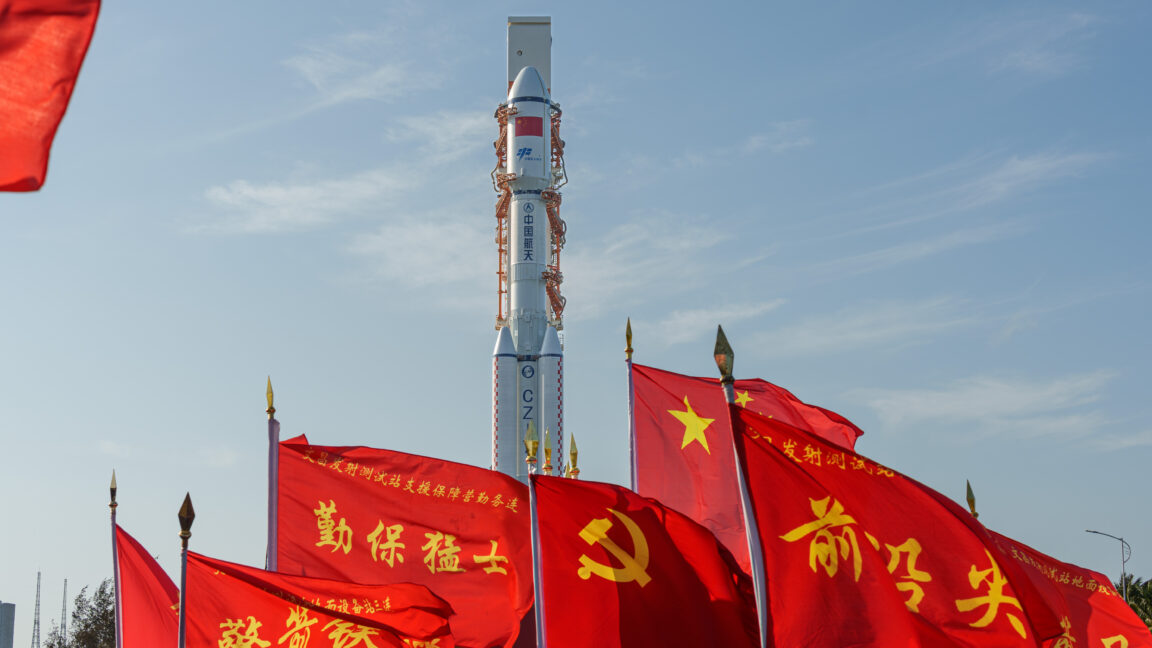
China has been abandoning a significant number of rocket stages in orbit, especially with the deployment of new megaconstellations like Guowang and Thousand Sails, which could leave over 100 rocket bodies in orbit for more than 25 years, increasing space debris and potential hazards. Despite having the capability to deorbit these stages, China often does not, contributing to the growing problem of space junk, which has accelerated in recent years.

Vera Rubin Observatory Set to Revolutionize Astronomy with First Images and Global Watch Parties
science11 months ago

Vera Rubin Observatory Set to Revolutionize Astronomy with First Images and Global Watch Parties

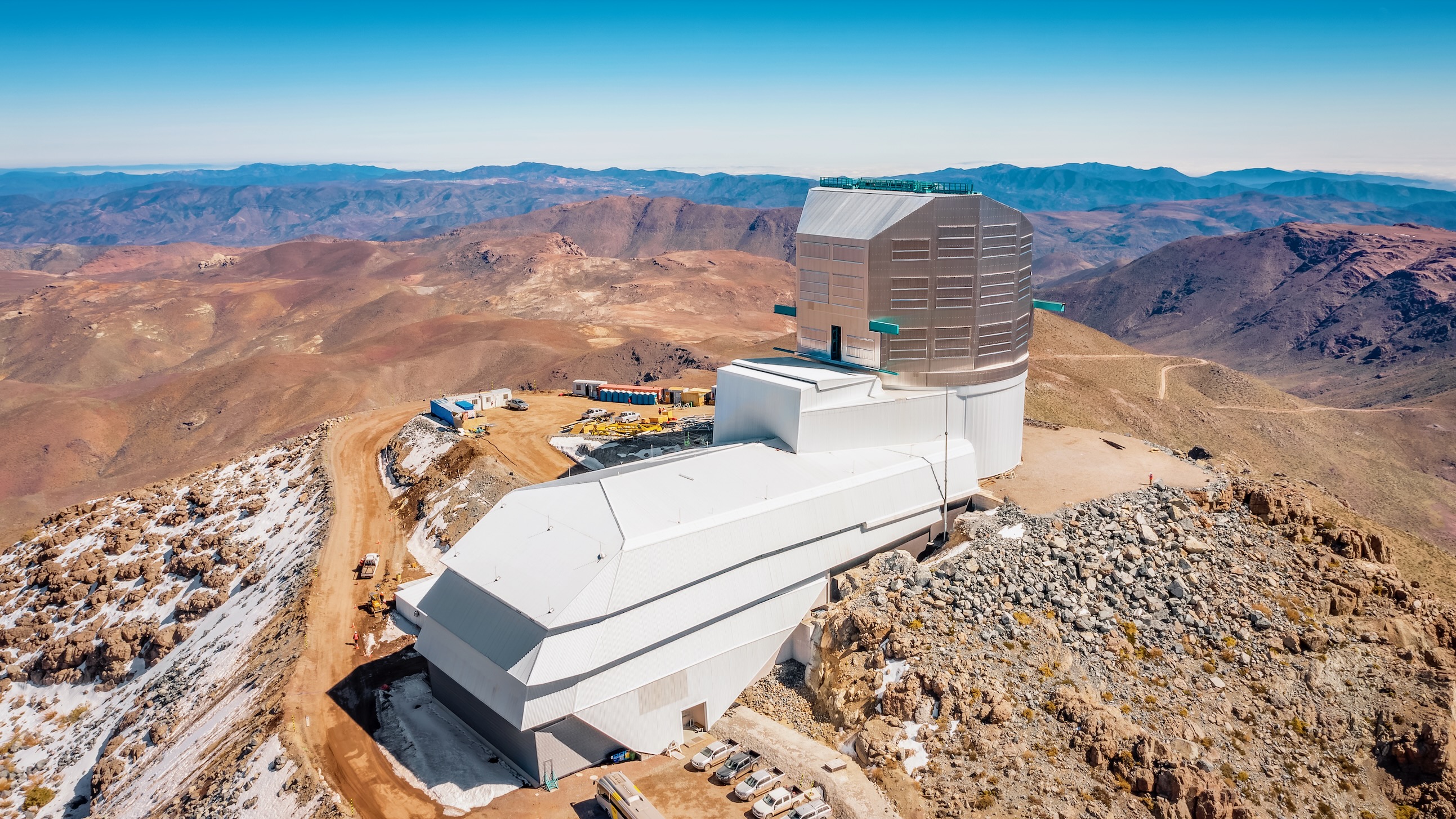
The Vera Rubin Observatory in Chile, set to revolutionize sky surveys with its large camera and wide field of view, faces significant challenges from the increasing number of bright satellites from mega-constellations like Starlink, which threaten to obscure and contaminate astronomical images. Despite developing techniques to mitigate satellite streaks, the growing satellite population could still impact the observatory's scientific output, prompting calls for darker satellites and innovative solutions to preserve the integrity of ground-based astronomy.

"Harmonizing with Megaconstellations: Astronomers Adapt to Coexist"
astronomy-and-space2 years ago

"Harmonizing with Megaconstellations: Astronomers Adapt to Coexist"

Astronomers and satellite megaconstellations are learning to coexist as companies like SpaceX and Amazon work with the astronomy community to mitigate the impact of megaconstellations on optical and radio astronomy. Efforts include design changes to reduce satellite brightness and voluntary cooperation with industry, but lack of regulations remains a concern. While progress has been made, the issue of satellite interference with astronomy is still in its early stages, with astronomers and spacecraft engineers striving for coexistence while addressing the challenges posed by megaconstellations.

"Burning Satellites' Debris Impacting Earth's Magnetic Field"
space-and-environment2 years ago

"Burning Satellites' Debris Impacting Earth's Magnetic Field"

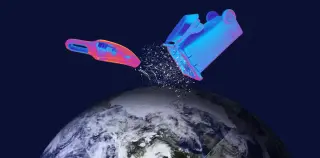
The increasing number of satellites burning up in Earth's atmosphere is creating a shell of conductive dust around the planet, potentially affecting Earth's protective magnetic field. This conductive dust, mainly made of superconductive metals from re-entering satellites, could perturb the magnetosphere and potentially weaken Earth's protective shield, allowing harmful cosmic radiation to reach the planet's surface. Additionally, the aluminum from burning satellites could deplete the ozone layer. Scientists are concerned about the long-term environmental impacts of this space debris pollution, as the consequences may only become apparent decades from now.

"US Military Embraces Megaconstellations for Enhanced Space Cooperation and Protection"
militaryspace2 years ago

"US Military Embraces Megaconstellations for Enhanced Space Cooperation and Protection"

The leader of the United States Space Command, General James H. Dickinson, highlighted the importance of megaconstellations like SpaceX's Starlink network in providing resiliency and redundancy in satellite communications during Ukraine's efforts to deter a potential invasion by Russia. Megaconstellations make it difficult for adversaries to take countermeasures and frustrate them by creating uncertainty about the number of satellites that would need to be targeted. Dickinson also emphasized the growing reliance on commercial space companies for various functions, but acknowledged the need to strike a balance between military and commercial services in the space domain.

"Starlink Satellites: Dodging Objects, Leaking Radiation, and Disturbing Astronomy"
space-technology2 years ago

"Starlink Satellites: Dodging Objects, Leaking Radiation, and Disturbing Astronomy"

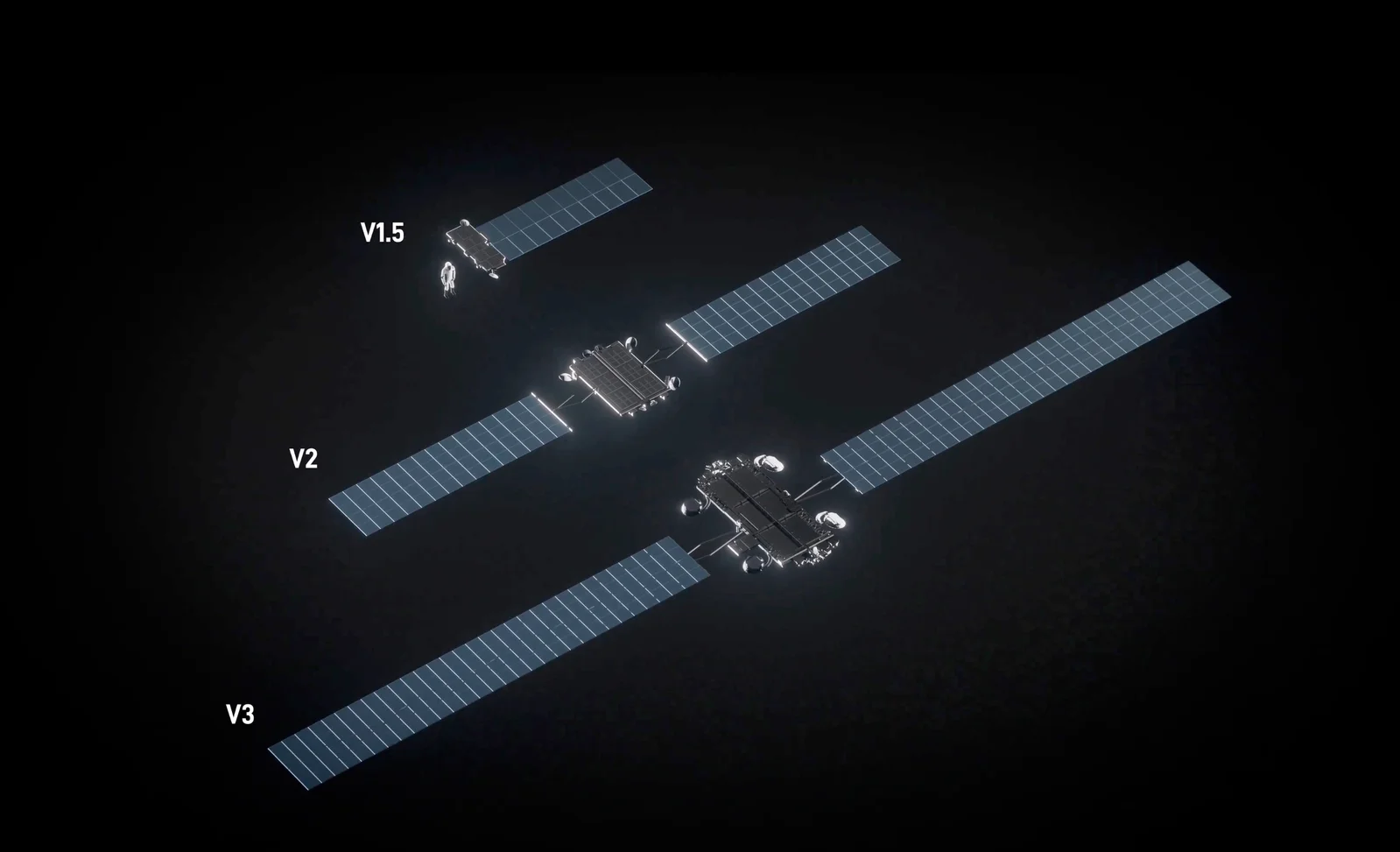
SpaceX's Starlink satellites have performed over 25,000 avoidance maneuvers in a six-month period, double the previous reporting period, as low Earth orbit becomes more crowded. The company uses a stringent threshold for maneuvering, moving satellites when the probability of collision exceeds 1 in 100,000. Over 1,300 maneuvers were made to avoid debris from Russia's anti-satellite weapon test. Additionally, a study found that Starlink satellites emit unintended electromagnetic radiation that could impact astronomical research, with simulations showing a compounding effect from larger constellations. The International Astronomical Union has been vocal about the potential impacts of satellite constellations on astronomy, and SpaceX has introduced changes to mitigate the emissions in the next generation of Starlink satellites.