
Reading Earth's Ancient Atmosphere to Find Life on Nearby Exoplanets
TL;DR Summary
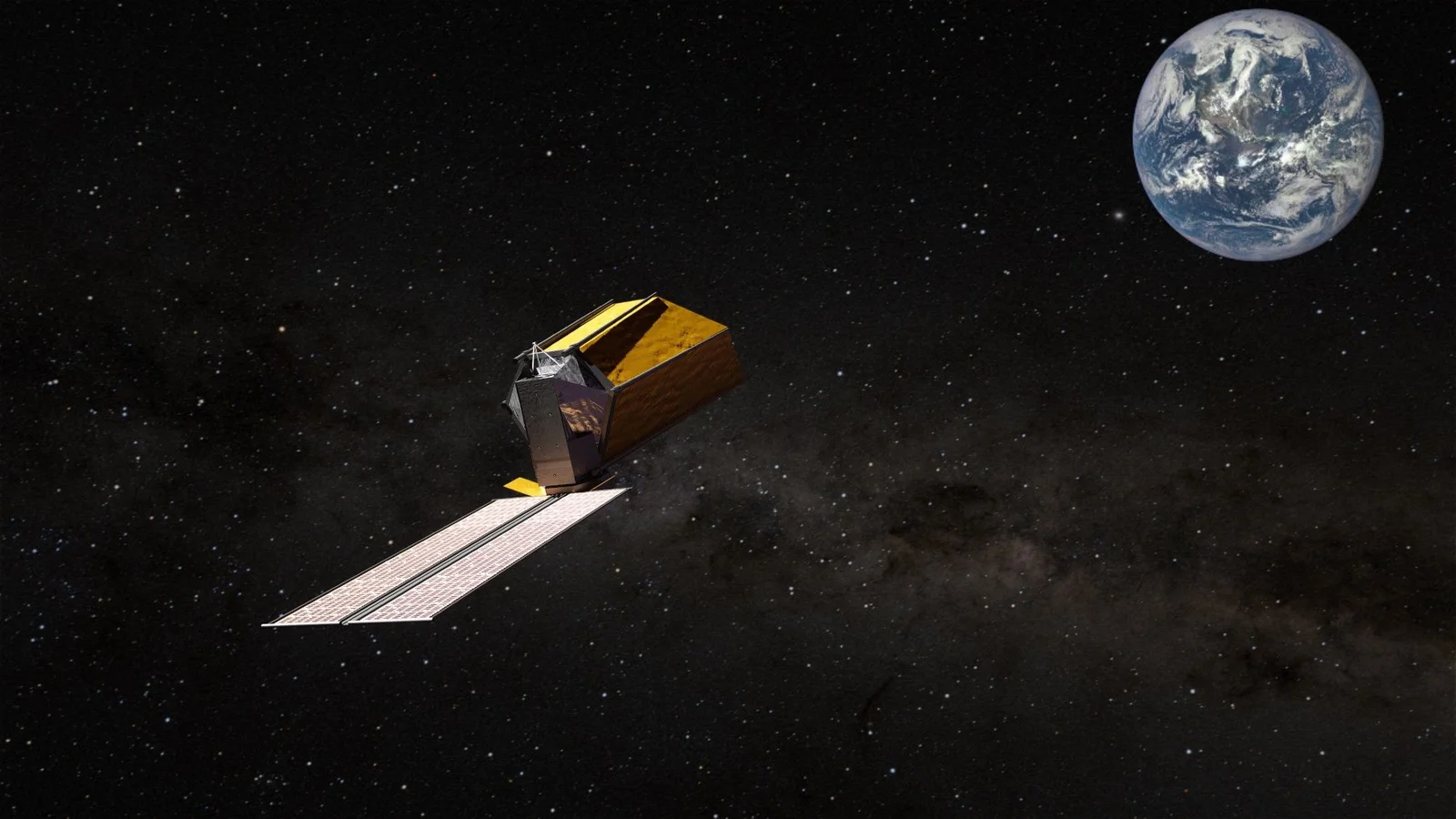
A new analysis of NASA’s Habitable Worlds Observatory models how Earth's atmosphere would look at Archean, Proterozoic, and Phanerozoic times to estimate detection needs; it finds that, to confidently spot biosignatures on distant Earth-like planets, the telescope should aim for ~140 visible resolution to detect oxygen, ~7 UV for ozone, and ~70 near-infrared to separate CO2 and CO; even with these capabilities, life-detection is not guaranteed, and achieving such resolutions requires managing detector noise and exposure times.
Topics:science#atmospheric-retrieval#biosignatures#exoplanets#habitable-worlds-observatory#space#spectral-resolution
Reading Insights
Total Reads
0
Unique Readers
36
Time Saved
95 min
vs 96 min read
Condensed
100%
19,146 → 77 words
Want the full story? Read the original article
Read on Space