Tag

Biosignatures

All articles tagged with #biosignatures

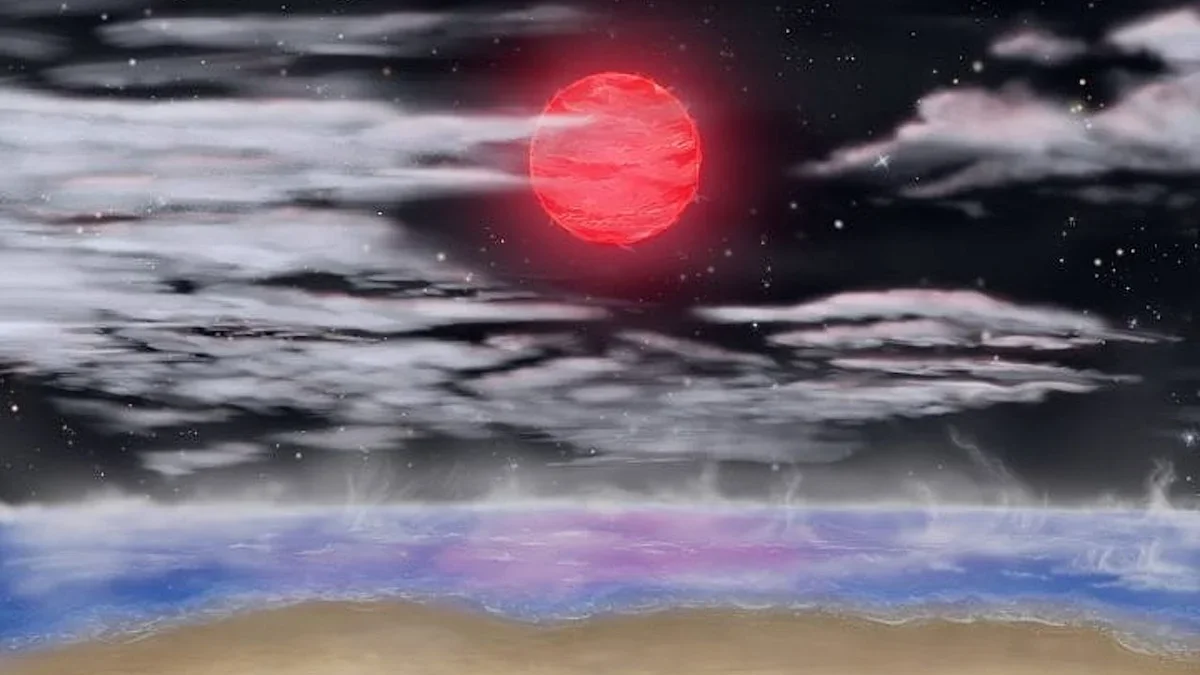
Two-Earth-mass World 25 Light-Years Away Sparks Life-Hunting Hopes
space11 days ago

Two-Earth-mass World 25 Light-Years Away Sparks Life-Hunting Hopes

Astronomers refined properties for GJ 3378b, a planet ~2.3 Earth masses orbiting in its star's habitable zone about 25 light-years away, receiving roughly 90% of Earth's solar energy. Its potential to sustain liquid water is promising, but an atmosphere—crucial for habitability—has not yet been confirmed; future missions like NASA's Habitable Worlds Observatory (planned for the 2040s) could image the planet and search for biosignatures. The discovery, made with ground-based instruments, underscores how nearby systems are key targets in the search for life beyond Earth.

Noosignatures: A New Middle Ground in the Search for Extraterrestrial Intelligence
science11 days ago

Noosignatures: A New Middle Ground in the Search for Extraterrestrial Intelligence

A new framework called noosignatures, grounded in Assembly Theory, seeks detectable traces of intelligence that lie between life and radio signals, using physical residues and signals (like tools, architecture, or agricultural impacts) as evidence; the idea aims to broaden astrobiology into a continuum of intelligent activity, though it remains nascent and methodologically challenging.

Close-by rocky world reclassified as potentially habitable, widening the search for life
science12 days ago

Close-by rocky world reclassified as potentially habitable, widening the search for life

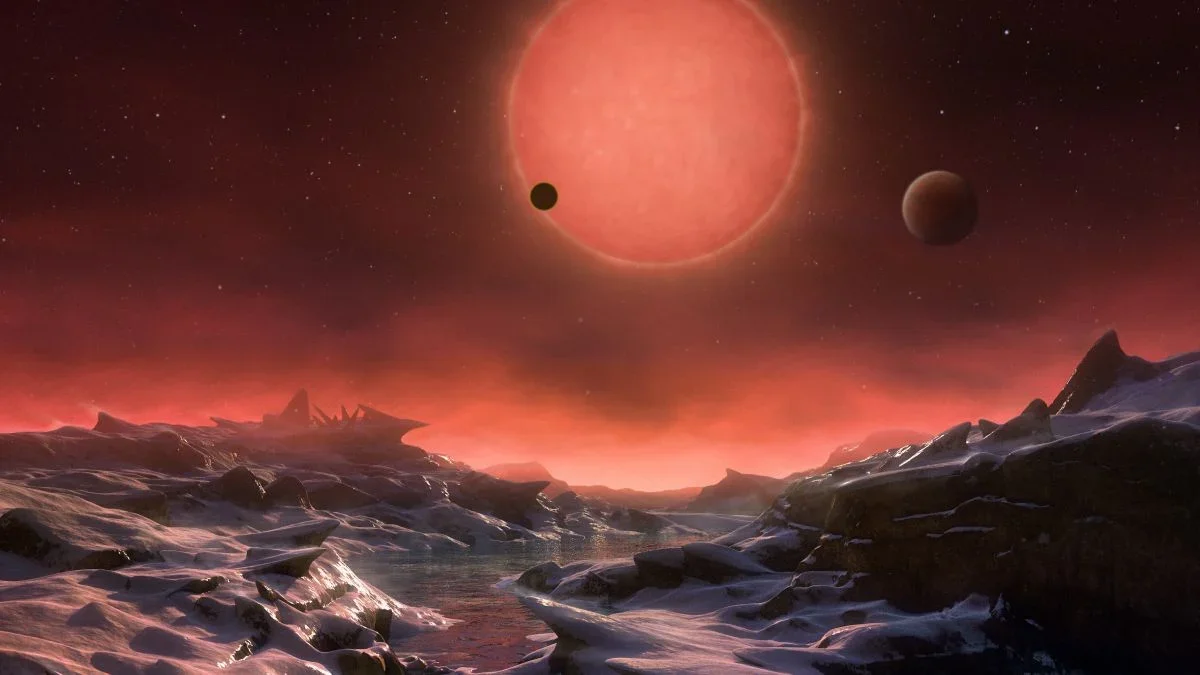
Astronomers re-evaluated the 25-light-year planet GJ 3378b, shifting from a bloated sub-Neptune to a rocky super-Earth of about 2.3 Earth masses in the star’s habitable zone with a 21-day year; its atmosphere remains unknown because it never transits, so biosignatures would likely require future direct-imaging missions like Habitable Worlds Observatory (not expected until the 2040s).

Mars as a Living Laboratory: Science‑First Missions to Seek Life
space14 days ago

Mars as a Living Laboratory: Science‑First Missions to Seek Life

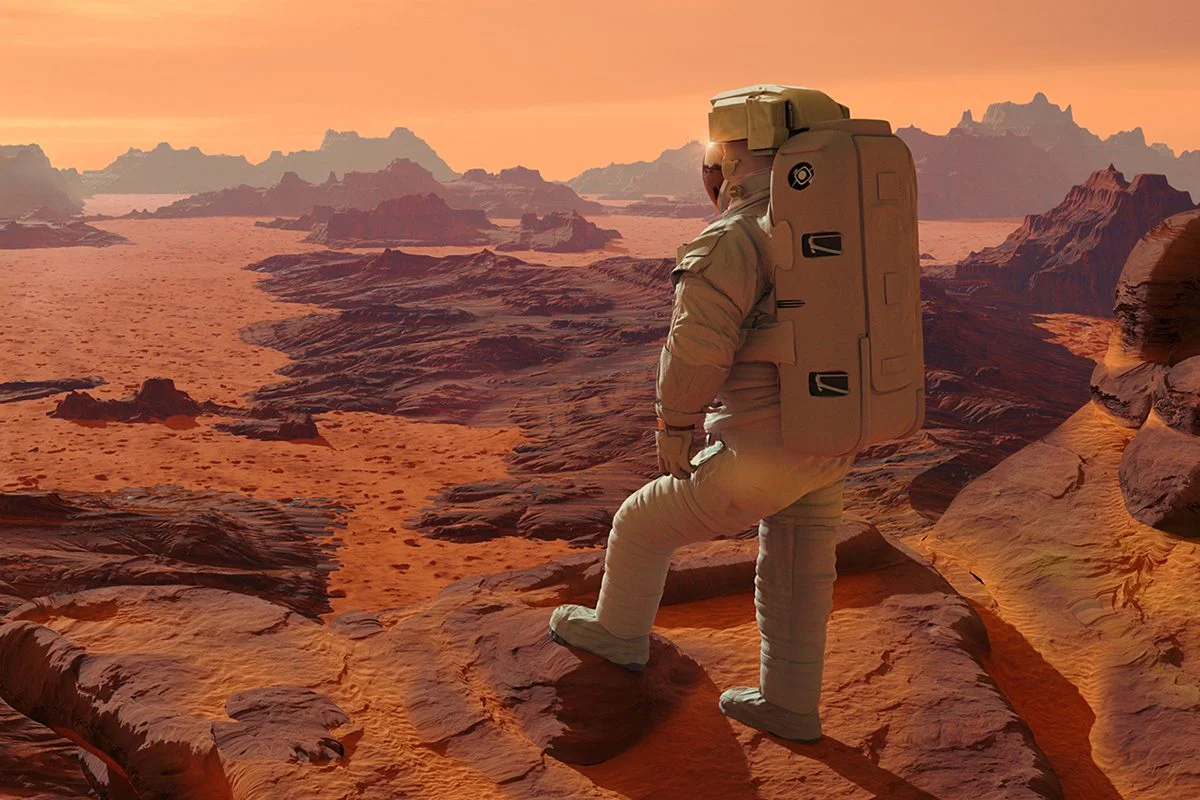
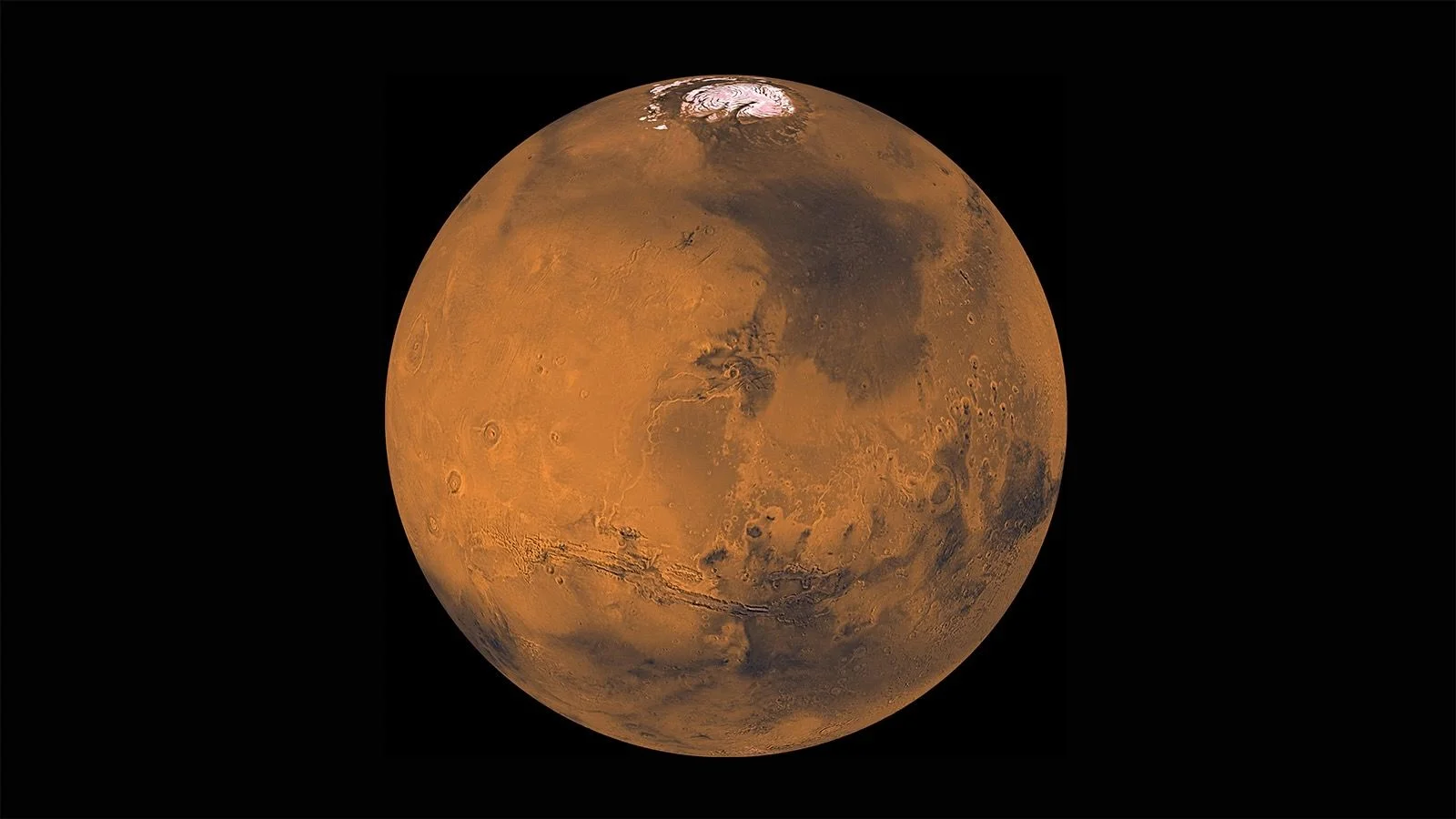
A NASA-backed Mars plan centers on survival and life-support first each sol, then science—drilling for biosignatures, tracing habitability, and testing in-situ resource use—within architectures like 30-Cargo-300 and 30-30-30 that include sample return; discussions include deep drilling, potential nuclear propulsion (SR‑1 Freedom) and autonomous crews due to long Earth–Mars communications delays, all aimed at answering whether life existed on Mars and how a sustainable outpost could work.

Birth-Death Cosmos: Why Exomoons May Unlock the Mystery of Life
science16 days ago

Birth-Death Cosmos: Why Exomoons May Unlock the Mystery of Life

David Kipping argues a birth–death model of civilizations better captures the likelihood of intelligent life than the Drake equation, suggesting the cosmos is likely not crowded with technosignatures; he highlights exomoons as promising habitable targets, explains JWST and future missions' roles in studying atmospheres and moons, and warns that biosignature detections are easily confounded—advocating an A/B testing approach to robustly infer life signals.

Nearby 2.3-Earth-Mass World in Habitable Zone Sparks Habitability Hopes
space22 days ago

Nearby 2.3-Earth-Mass World in Habitable Zone Sparks Habitability Hopes

Astronomers refined the mass of the nearby exoplanet GJ 3378b to about 2.3 Earth masses, placing it in the rocky super-Earth category inside its red dwarf's habitable zone at roughly 25 light-years away. While this makes it one of the closest likely Earth-like worlds, whether it has an atmosphere remains unknown; without one, liquid surface water is unlikely. It is a prime target for future biosignature searches as scientists seek to determine if we are alone.

Nearby 25-light-year world could host oceans in its star’s habitable zone
science22 days ago

Nearby 25-light-year world could host oceans in its star’s habitable zone

Astronomers refine the mass of exoplanet GJ 3378b to about 2.3 Earth masses, placing it in the rocky super-Earth category and locating it in the habitable zone of a nearby red dwarf 25 light-years away. It orbits its star every 21 days, suggesting temperatures that could support liquid water, but the planet’s atmosphere remains uncertain due to intense stellar radiation; since it does not transit, atmospheric confirmation may have to wait for future missions like NASA’s Habitable Worlds Observatory in the 2040s.

Martian Leopard Spots Spark Astrobiology Debate in Jezero Crater
science27 days ago

Martian Leopard Spots Spark Astrobiology Debate in Jezero Crater

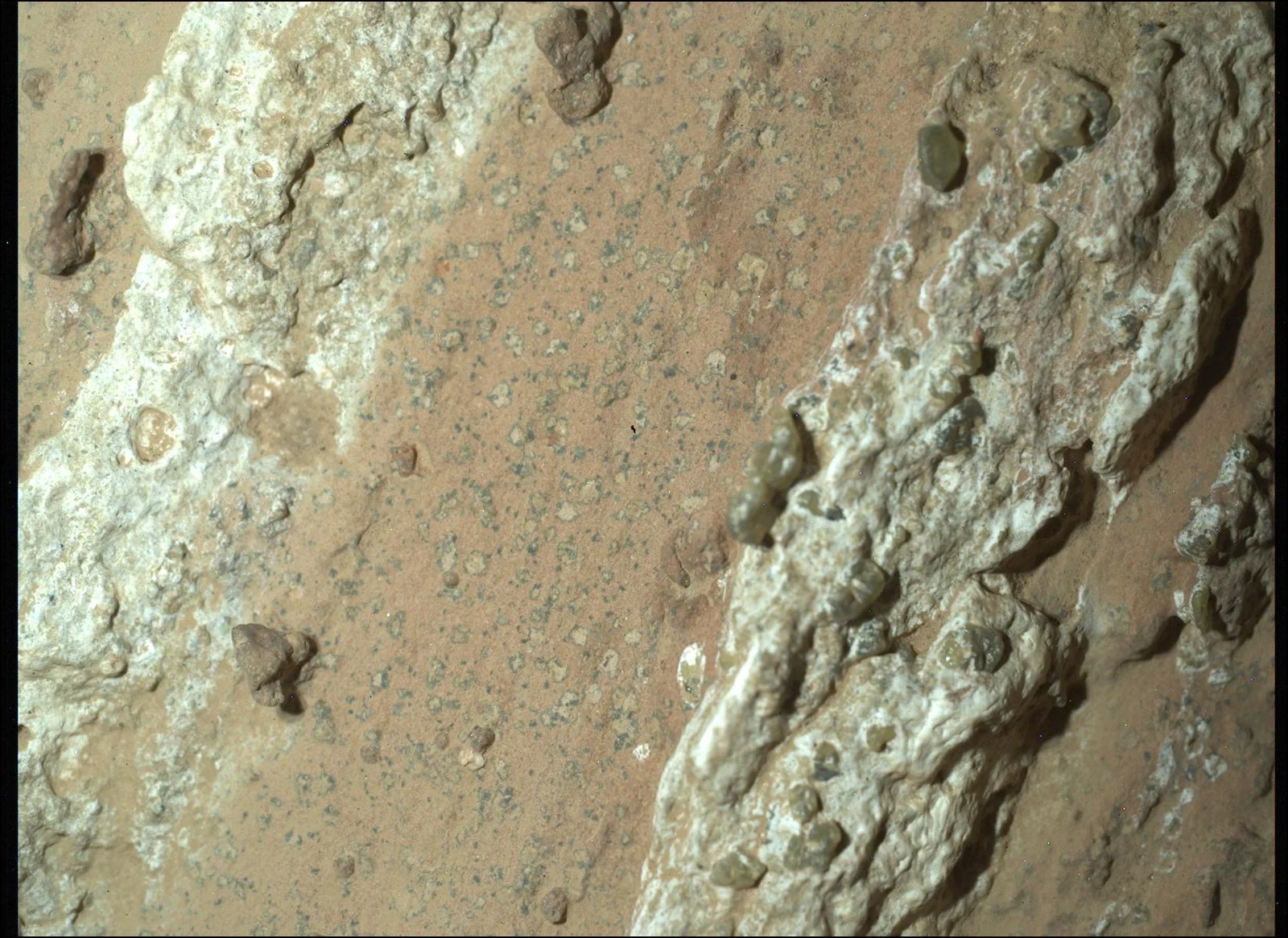
Perseverance drilled Cheyava Falls in a Jezero Crater mudstone and found organic carbon intertwined with iron-rich minerals forming “poppy seeds” and “leopard spots.” The minerals, vivianite (iron phosphate) and greigite (iron sulfide), are often linked to microbial activity on Earth, but abiotic processes could explain them too. While the finding is intriguing and helps contextualize ancient Martian habitability, it stops short of life detection and highlights the need for detailed terrestrial analysis of returned samples.

Mars rocks reveal organic carbon, sharpening hunt for ancient life in Jezero
science29 days ago

Mars rocks reveal organic carbon, sharpening hunt for ancient life in Jezero

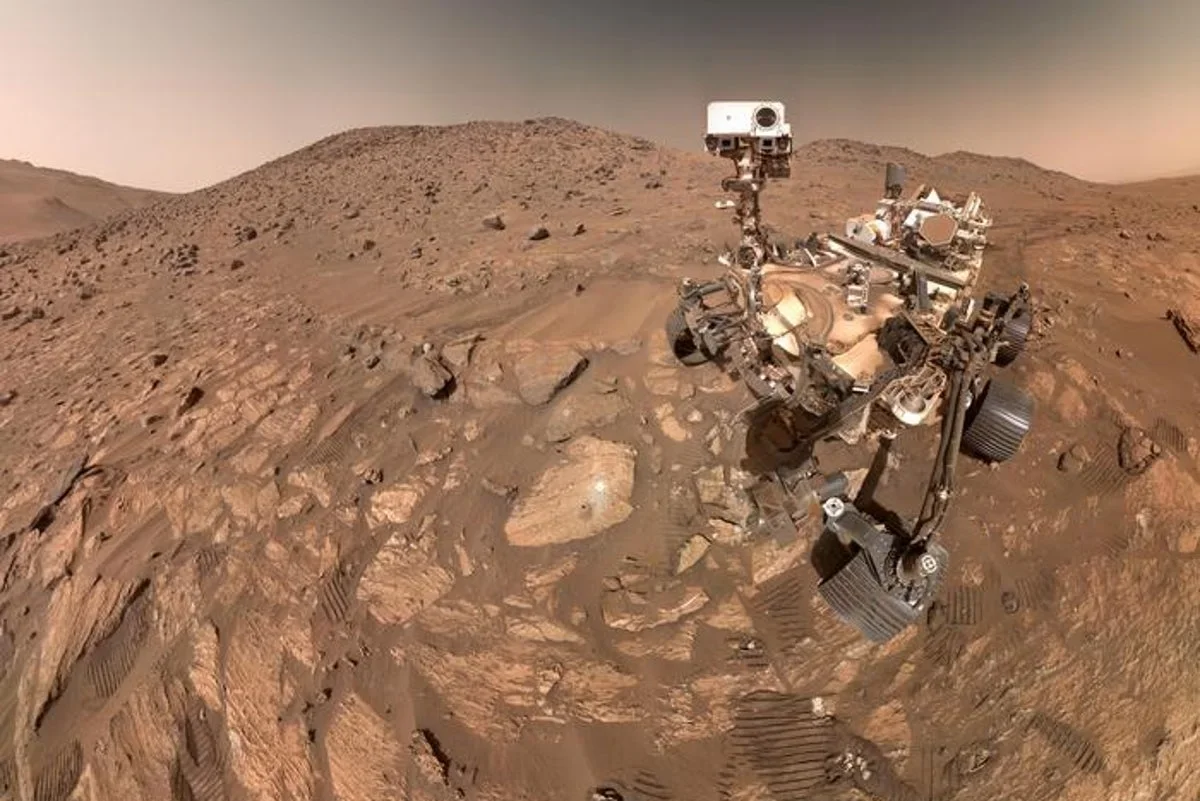
NASA's Perseverance rover detected hundreds of organic detections and macromolecular carbon in two mudstones from Jezero Crater's Bright Angel formation, the strongest organic evidence yet from that site. The carbon's origin—biological or abiotic—remains unclear and will require Earth-based analysis of samples Perseverance is collecting for eventual return under NASA's Mars Sample Return program, with a possible window from 2035 to 2039. This finding builds on earlier Curiosity results, suggesting ancient Mars had the chemistry to support life.

Perseverance uncovers Mars' largest cache of complex organic carbon near Bright Angel
space1 month ago

Perseverance uncovers Mars' largest cache of complex organic carbon near Bright Angel

NASA’s Perseverance rover found macromolecular carbon in the Bright Angel outcrop at Jezero Crater—the highest concentration of organic molecules detected on Mars to date. SHERLOC mapping and comparisons with Curiosity’s Gale crater data link the carbon to ancient, water-rich conditions and potential habitability, but the finding is not proof of life; a definitive biosignature would require future samples or more data.

Earthly petroleum contamination reshapes Mars biosignature search
space1 month ago

Earthly petroleum contamination reshapes Mars biosignature search

A new study shows that pristane and phytane in the Murchison meteorite exist in equal (racemic) amounts consistent with terrestrial petroleum contamination rather than fresh Martian biology, refining how scientists distinguish biological from non-biological organics and providing a practical test for the Rosalind Franklin rover’s MOMA instrument in the 2030 ExoMars mission. While Mars may have hosted life, the finding highlights the need for careful contamination-aware biosignature analysis when studying meteorites and Martian samples.

Reading Earth's Ancient Atmosphere to Find Life on Nearby Exoplanets
space1 month ago

Reading Earth's Ancient Atmosphere to Find Life on Nearby Exoplanets

A new analysis of NASA’s Habitable Worlds Observatory models how Earth's atmosphere would look at Archean, Proterozoic, and Phanerozoic times to estimate detection needs; it finds that, to confidently spot biosignatures on distant Earth-like planets, the telescope should aim for ~140 visible resolution to detect oxygen, ~7 UV for ozone, and ~70 near-infrared to separate CO2 and CO; even with these capabilities, life-detection is not guaranteed, and achieving such resolutions requires managing detector noise and exposure times.

Astrobiology's Statistical Impasse: Proving Life with Vast Planet Samples
science1 month ago

Astrobiology's Statistical Impasse: Proving Life with Vast Planet Samples

A new arXiv paper argues that proving life on other planets via biosignatures is statistically intractable with current methods: diffuse priors in Bayesian analysis can require astronomically large exoplanet samples (potentially up to trillions) to reach strong evidence, meaning the Habitable World Observatory will likely yield only evidence rather than a definitive discovery unless a new statistical framework (such as controlled comparisons) is developed.

Canada Bets on Tiny Stars to Find Earth-Sized Worlds with New POET Mission
science2 months ago

Canada Bets on Tiny Stars to Find Earth-Sized Worlds with New POET Mission

Canada is proposing the POET mission, a microsatellite survey targeting ultracool dwarfs (the galaxy’s smallest, dimmest stars) to detect Earth-sized exoplanets (1–2.5 R⊕) via transits. By focusing on about 100–300 nearby stars from a larger catalog and using a 20 cm telescope across multiple wavelengths, POET aims for a one-year observing campaign that could deliver higher sensitivity than earlier missions and enable atmospheric studies and biosignature checks on newly found worlds.

Space biosignatures demand patience: confirmations of life clues take years
science-tech2 months ago

Space biosignatures demand patience: confirmations of life clues take years

Astronomers detect molecules in space by matching spectral fingerprints from radio and infrared telescopes; while hundreds of astrochemical detections exist, claims of life-related molecules (like glycine in space or phosphine on Venus) have often been revised upon further scrutiny, illustrating that confirming potential biosignatures on distant worlds requires multiple signals, replication by independent teams, and time—so excitement about life’s clues tends to fade into cautious verification.