
SEA STAR Crew Completes Five-Day Underwater Analog Mission at Florida’s Jules’ Lab
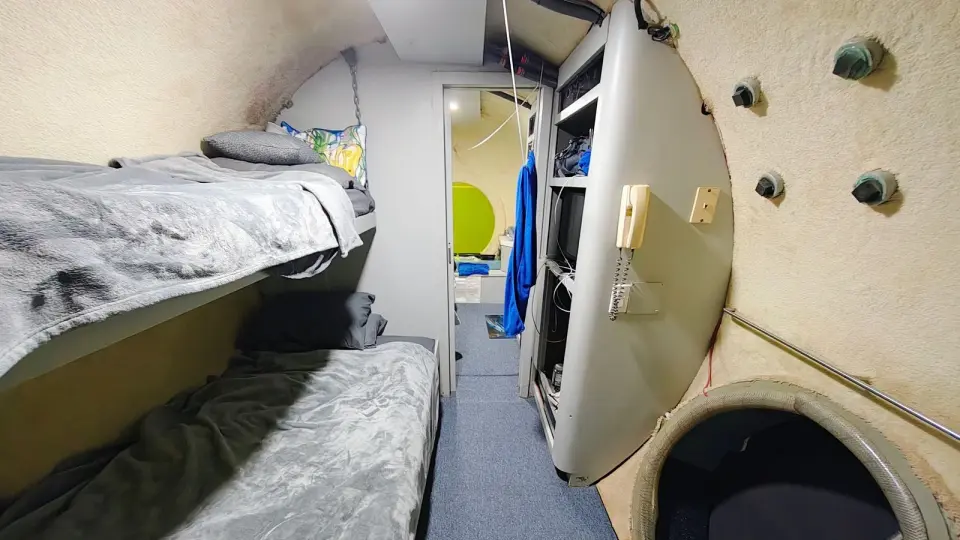
Dr. Michaela Musilova and three crewmates completed a five-day simulated space mission at the Jules' Undersea Lab near Key Largo, Florida. The team lived 22 feet underwater to study isolation and operational challenges relevant to long-duration Mars missions. The habitat, originally a mobile barge from the 1970s, now serves as a fixed research station. Crew members performed daily tasks, cognitive tests, and scuba 'spacewalks' without returning to the surface. The high-pressure environment eliminated the need for additional exercise, while strict schedules mimicked International Space Station routines. Despite the isolation, the crew reported a peaceful experience, noting that the alien underwater view and life support systems effectively simulated extraterrestrial conditions.
Key points
- The SEA STAR mission took place at the Jules' Undersea Lab, located 22 feet (7 meters) below the surface near Key Largo, Florida.
- The habitat, originally named 'La Chalupa' and built in the 1970s as a mobile barge, is now permanently submerged after funding for mobility ended.
- Four crew members, led by Commander Dr. Michaela Musilova, remained underwater for five days without surfacing, relying on umbilical cables for air, water, and power.
- Daily activities included cooking, medical checkups, cognitive tests, and maintenance, designed to replicate the workload of astronauts on the International Space Station.
- The internal pressure was approximately twice that of sea level, which physically stressed the crew enough to negate the need for additional exercise sessions.
- The mission aimed to understand psychological and operational challenges of long-duration space travel, particularly for future Mars missions, by simulating extreme isolation and alien environments.
Background
This analog mission aligns with broader efforts to prepare astronauts for long-duration spaceflight, as highlighted by recent returns from the International Space Station, such as Crew-12's 237-day mission in October 2026. While the ISS provides orbital experience, underwater habitats like the Jules' Lab offer unique insights into saturation diving and isolation, complementing other analog training methods. The facility has previously hosted NASA projects and set world records for underwater endurance, including 73 and 100-day missions, establishing it as a key site for human spaceflight research.
Why it matters
Analog missions in extreme environments like underwater habitats provide critical data on human performance, psychological resilience, and life support systems without the high cost and risk of actual spaceflight. By simulating the isolation and operational constraints of Mars missions, these studies help refine protocols for future deep-space exploration, ensuring crews can maintain productivity and well-being during prolonged periods away from Earth.
What to watch
Researchers will analyze the data collected during the SEA STAR mission to refine training protocols for long-duration spaceflight. The Jules' Undersea Lab is expected to continue hosting similar analog missions, potentially exploring new variables in isolation and life support systems to better prepare astronauts for future Mars expeditions.
Want the full story? Read the original reporting
Read on Space