
Soyuz T-10-1 Launch Abort: Cosmonauts Escape Fire on the Pad in 1983
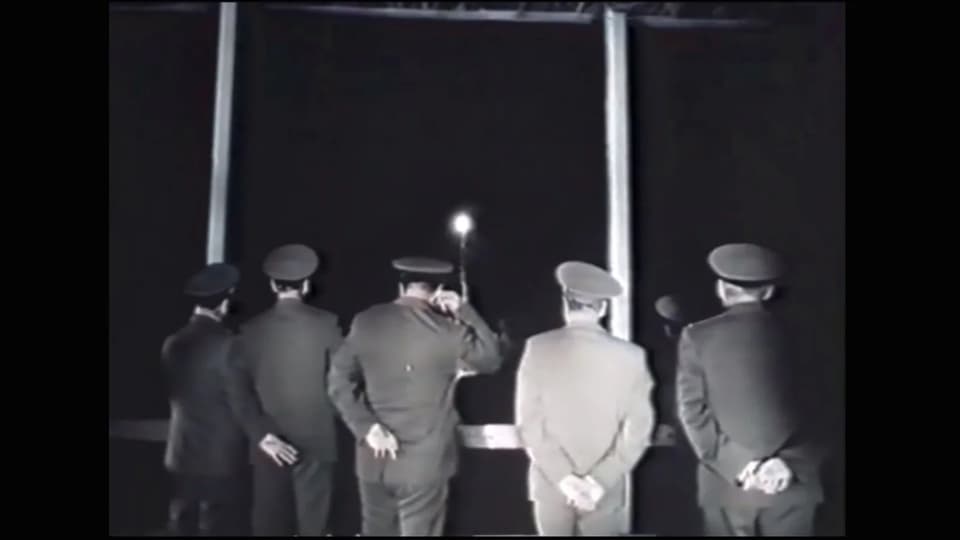
On September 26, 1983, a fire erupted on the launchpad at Baikonur Cosmodrome just 90 seconds before the scheduled launch of Soyuz T-10-1. The emergency abort system activated, ejecting the capsule with cosmonauts Vladimir Titov and Gennady Strekalov two seconds before the rocket exploded. This incident marked the first time a crewed Soyuz launch was aborted on the pad, validating the launch escape tower system that had never been used in a real emergency before.
Key points
- A fire broke out on the launchpad at Baikonur Cosmodrome approximately 90 seconds before the scheduled launch of Soyuz T-10-1.
- The launch escape system successfully ejected the Soyuz capsule, carrying cosmonauts Vladimir Titov and Gennady Strekalov, just two seconds before the rocket exploded.
- The mission was intended to transport the crew to the Salyut 7 space station.
- This event was the first time the launch escape system was used for a crewed Soyuz mission, proving its effectiveness in a real emergency.
- The incident is also known as Soyuz T-10A and demonstrated the critical safety role of the launch escape tower.
Background
The Soyuz spacecraft has been a cornerstone of Russian spaceflight for decades, with its launch escape system designed to pull the capsule away from a failing rocket. This 1983 incident was a rare but critical test of that system. In more recent times, the Soyuz program has faced challenges, including a Ukrainian missile strike on the Progress Rocket Space Center in August 2026, which threatened Russia's launch capabilities. Additionally, the International Space Station continues to rely on Soyuz missions for crew transport, as seen in September 2026 when Russian cosmonauts remained active on the ISS while others observed Labor Day.
Why it matters
The 1983 Soyuz T-10-1 launch abort demonstrated the life-saving effectiveness of the launch escape system, a critical safety feature for human spaceflight. It highlighted the risks of rocket launches and the importance of emergency protocols. This event remains a significant moment in spaceflight history, showing how technology can save lives in critical situations. It also underscores the ongoing importance of safety systems in space exploration, even as new challenges arise for space agencies and programs.
What to watch
No immediate follow-up actions are mentioned in the source. The incident served as a validation of the launch escape system, which has since been used in other emergencies. The Soyuz program continued to operate, with future missions relying on similar safety protocols. The 1983 event remains a historical reference for the importance of launch safety in human spaceflight.
Want the full story? Read the original reporting
Read on Space