
SpaceX Scrubs Starlink 10-39 Launch at T-28 Seconds, Reschedules for Friday
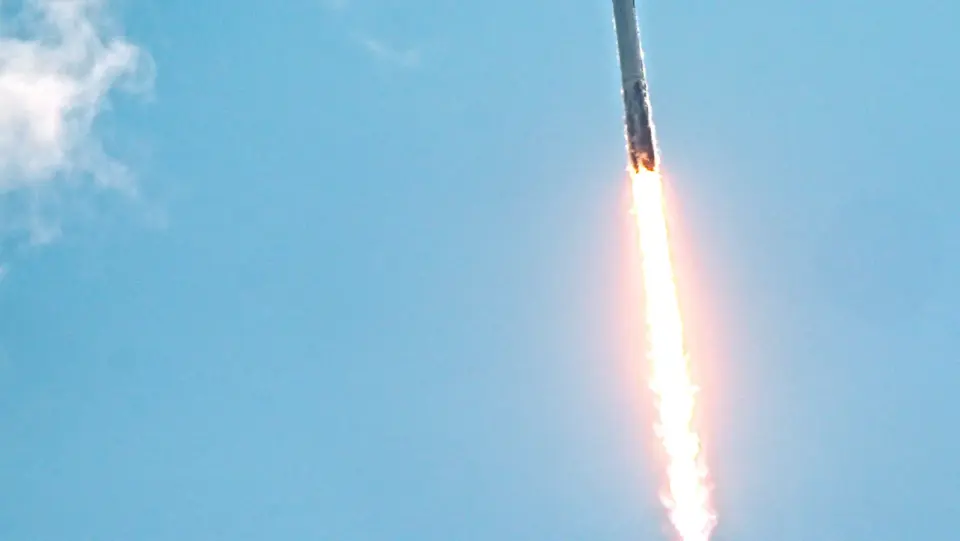
SpaceX halted the Starlink 10-39 launch countdown with 28 seconds remaining at Cape Canaveral on August 20, 2026, and rescheduled the mission for Friday, August 21. The scrub occurred during a live webcast, with the launch director announcing an abort as the clock stopped. SpaceX has not disclosed the reason for the delay, but a backup window opens at 10:57 a.m. EDT. The mission, which would have deployed 29 satellites and marked the 30th flight of booster B1078, is part of SpaceX's push to exceed 11,000 active satellites in orbit.
Key points
- SpaceX scrubbed the Starlink 10-39 launch at T-28 seconds on August 20, 2026, from Launch Complex 40 at Cape Canaveral Space Force Station.
- The launch director announced 'We've had an abort' during the live webcast, and SpaceX has not publicly disclosed the cause of the scrub.
- A backup launch window is scheduled for Friday, August 21, from 10:57 a.m. to 2:57 p.m. EDT, per SpaceX's website and FAA advisories.
- The mission would have deployed 29 Starlink satellites, including the 2,000th Starlink satellite of 2026, and marked the 30th flight of booster B1078.
- The scrub was the 53rd orbital launch attempt of 2026 from Florida's Space Coast, following a successful Starlink launch from Vandenberg on August 19 that pushed the constellation past 11,000 satellites in orbit.
Background
SpaceX has experienced multiple launch scrubs in 2026, including a post-ignition abort of Starlink 17-39 from Vandenberg in July and a Starship Flight 13 scrub due to engine ignition failures. The Starlink constellation has grown rapidly, surpassing 11,000 satellites in orbit by August 19, 2026, representing roughly two-thirds of all active satellites globally. The Pentagon has also initiated a $60 million effort to develop non-SpaceX satellite alternatives to reduce dependency on SpaceX's Space Data Network.
How outlets are covering it
Florida Today and Spaceflight Now both confirmed the scrub at T-28 seconds and the rescheduling for August 21, but Spaceflight Now emphasized the mission's significance as the 75th Starlink launch of 2026 and the 30th flight of booster B1078. 24/7 Wall St. focused on the broader market implications of Starlink's growth, noting that SpaceX's 100th launch of 2026 on August 18 pushed the constellation past 11,000 satellites, prompting the Pentagon to fund alternatives. Space Daily highlighted the concentration of satellites in orbit, noting that Starlink now accounts for roughly two-thirds of all active satellites, but did not comment on the scrub itself. All sources agree on the scrub and rescheduling, but differ in emphasis: Florida Today and Spaceflight Now focus on the launch details, while 24/7 Wall St. and Space Daily contextualize the event within broader industry and orbital trends.
Why it matters
The scrub highlights the operational challenges of maintaining SpaceX's high launch cadence, which is critical for sustaining its dominance in the satellite market. The rescheduling for August 21 underscores the company's ability to quickly recover from delays, but the lack of a disclosed reason raises questions about reliability. The event also occurs against the backdrop of growing concerns about satellite concentration in orbit, with the Pentagon actively funding alternatives to reduce dependency on SpaceX. For investors, the scrub may signal minor operational hiccups, but the broader trend of Starlink's expansion and the Pentagon's response suggest a shifting landscape in the satellite industry.
What to watch
SpaceX is expected to attempt the Starlink 10-39 launch on Friday, August 21, 2026, during a four-hour window from 10:57 a.m. to 2:57 p.m. EDT. If successful, the mission will deploy 29 satellites and mark the 30th flight of booster B1078, which will land on the drone ship A Shortfall of Gravitas. The Pentagon's $60 million effort to develop non-SpaceX satellite alternatives is expected to continue, with contracts awarded to companies like L3Harris Technologies and Rocket Lab. The satellite constellation is projected to grow further, with SpaceX aiming for 100,000 satellites in the future, as outlined by Elon Musk in a recent town hall.
- Scrub! SpaceX halts Starlink launch countdown with just 28 seconds left Florida Today
- Last-minute abort stalls Cape Canaveral Starlink mission Spaceflight Now
- After record rocket doubleheader, SpaceX preps for Thursday launch in Florida Florida Today
- As Starlink Passes 11,000 Satellites, These 5 Stocks Will Feel It First 24/7 Wall St.
- On 19 August 2026, SpaceX pushed its Starlink constellation past 11,000 satellites in orbit — meaning a single network now accounts for roughly two-thirds of all active satellites circling Earth. Space Daily
Want the full story? Read the original reporting
Read on Florida Today