
The Boötes Void: a colossal cosmic gap that tests our picture of the universe
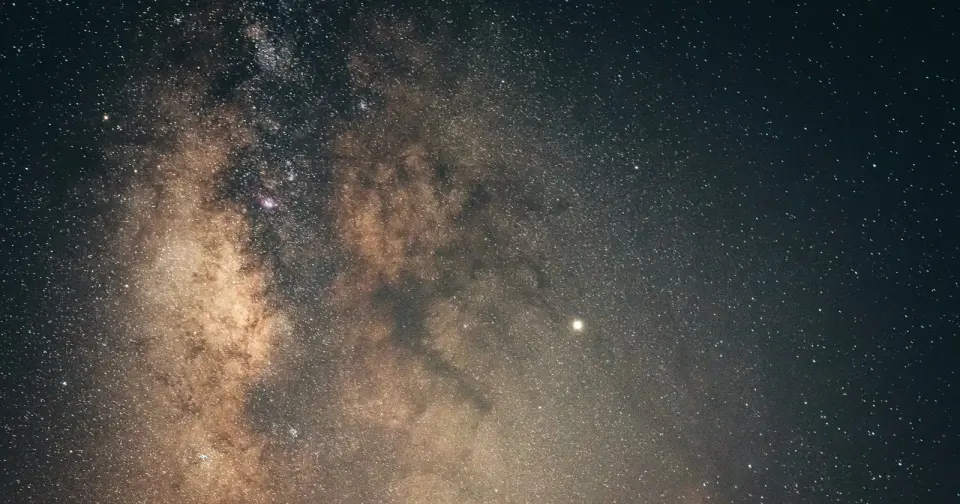
The Boötes Void is a roughly 330‑million‑light‑year‑wide region in the direction of the Boötes constellation that is almost empty but not a true vacuum, centered about 700 million light‑years from Earth. Identified in the 1980s, it contains about 60 galaxies—far fewer than the ~2,000 expected if it had average density—likely formed by merging smaller voids in the cosmic web. While unusually large, voids are expected in the standard cosmological model and offer clean laboratories for studying galaxy formation and cosmology. A famous thought experiment by Greg Aldering suggests that if the Milky Way were at the void’s center, we might not have known there were other galaxies until the 1960s, underscoring the scale of observational limits at such distances.
- There is a region of space called the Boötes void, around 330 million light years wide and almost completely empty, and if our galaxy sat at its centre, we might not have discovered that other galaxies existed until well into the twentieth century. Space Daily
- The Emptiest Places in the Universe Might Contain Its Best Secrets WIRED
Want the full story? Read the original reporting
Read on Space Daily