
eMTB Adoption Surges as Purists Embrace Electric Assistance
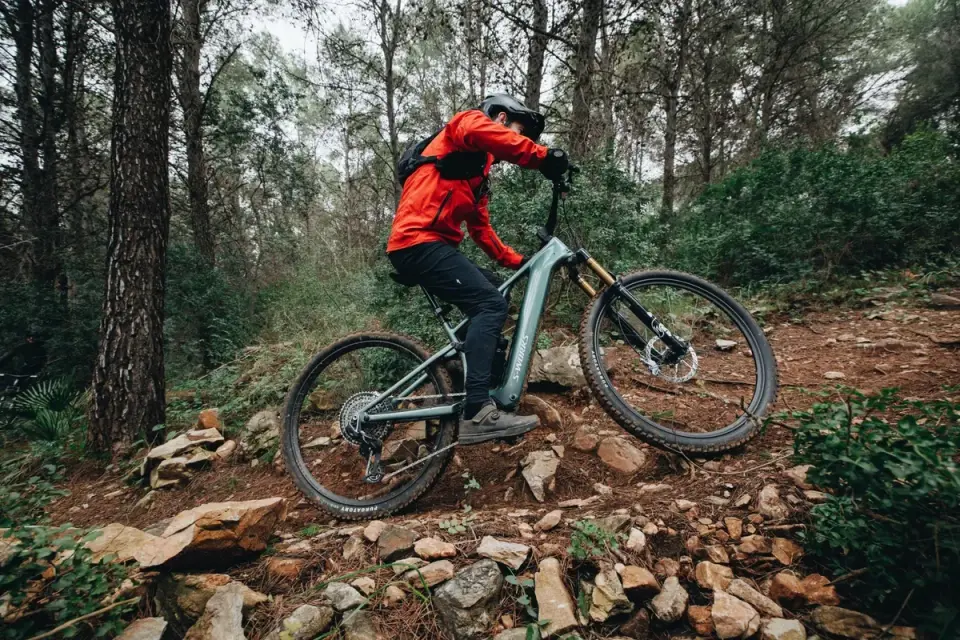
A former mountain biking purist shares his conversion to electric mountain bikes (eMTBs), highlighting how they extend ride duration, enhance exploration, and improve family accessibility. While eMTBs were once viewed as niche, industry predictions suggest they may soon account for 75-80% of mountain bike sales. The author argues that eMTBs do not replace traditional biking but add a new dimension by reducing physical strain on climbs, allowing riders to cover more ground and maintain consistent aerobic effort.
Key points
- eMTBs allow riders to cover 20-30 miles in the time it previously took for 10 miles, increasing time on descents and jumps.
- The motor assistance transforms climbs from a physical burden into an enjoyable part of the ride, enabling riders to focus on line selection rather than endurance.
- Riders report greater willingness to explore unfamiliar trail networks due to increased energy reserves and speed.
- eMTBs facilitate family riding by allowing parents to tow children up climbs, increasing the number of downhill laps and skill practice opportunities.
- Even in 'eco' mode, eMTBs provide a consistent aerobic workout without the risk of overexertion on steep terrain.
- The author purchased a Specialized Turbo Levo Comp after monitoring Facebook Marketplace, choosing full-power over super-light models for better torque and battery life.
Background
Recent industry analysis from Outside magazine predicted that eMTBs would transition from a niche segment to a mainstream market, potentially comprising 75-80% of mountain bike sales. This shift reflects a broader trend in outdoor recreation where technology is increasingly integrated to enhance accessibility and enjoyment without eliminating physical effort. The author’s experience aligns with this trend, noting that eMTBs have not replaced his traditional analog bike but have added a new way to enjoy trails, particularly for those with limited time or physical constraints.
Why it matters
The growing adoption of eMTBs signals a significant shift in how outdoor enthusiasts engage with mountain biking, moving from a focus on physical endurance to an emphasis on exploration and accessibility. This trend could influence trail infrastructure, bike park design, and consumer demand for electric-assisted equipment, potentially reducing barriers to entry for families and older riders while maintaining the core appeal of mountain biking.
What to watch
As eMTBs become more mainstream, expect increased investment in trail networks that accommodate electric-assisted riding, potentially leading to new regulations or designated zones. The market may see further innovation in battery technology and motor efficiency, making eMTBs more accessible and versatile for diverse terrains and user groups.
Want the full story? Read the original reporting
Read on SnowBrains