
PanSTARRS Flaunts Dual Tails During Close Earth Approach
TL;DR
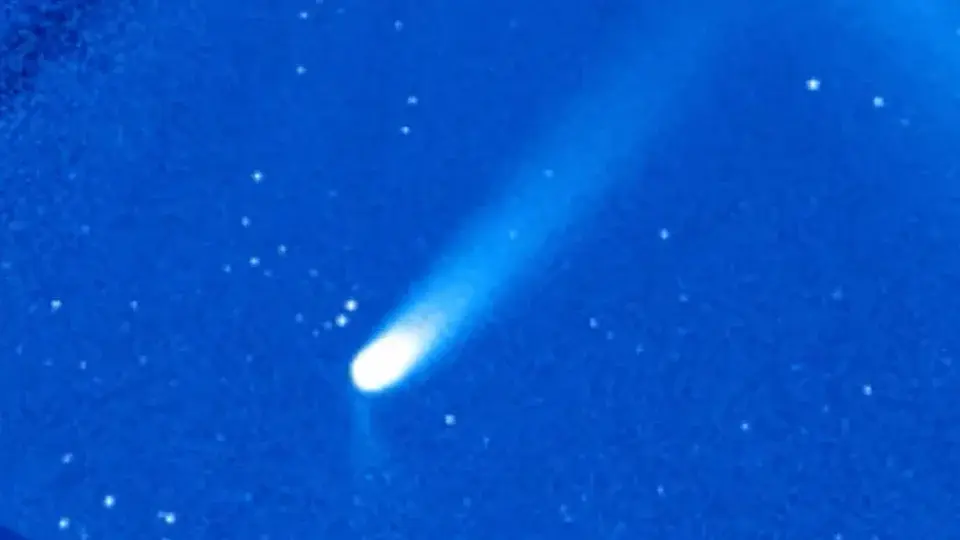
Space.com reports that Comet C/2025 R3 PanSTARRS displayed its ion tail as it passed about 45 million miles (72 million km) from Earth, with a dust tail lagging behind. The comet heated as it neared the Sun (perihelion on April 19) and then reached its closest approach to Earth around April 26, with SOHO imagery capturing the ion tail brightening and pointing away from the Sun.
- Watch comet PANSTARRS 'switch on' its second tail as it makes closest approach to Earth Space
- A Rare Comet Is Skimming Past Earth This Weekend, and You Can Spot It! The Daily Galaxy
- A comet that could shine brighter than the brightest star in the night sky makes its closest approach to Earth this Sunday, and the best window to see it in Brazil is in early May. CPG Click Petróleo e Gás
- Comet C/2025 R3 (PANSTARRS) full of knots and twists Sky & Telescope
- Rare comet C/2025 R3 marks its final journey past the Sun Earth.com
Want the full story? Read the original reporting
Read on Space