
Launch Industry Faces Price Reset as SpaceX Winds Down Falcon 9 and Rivals Struggle
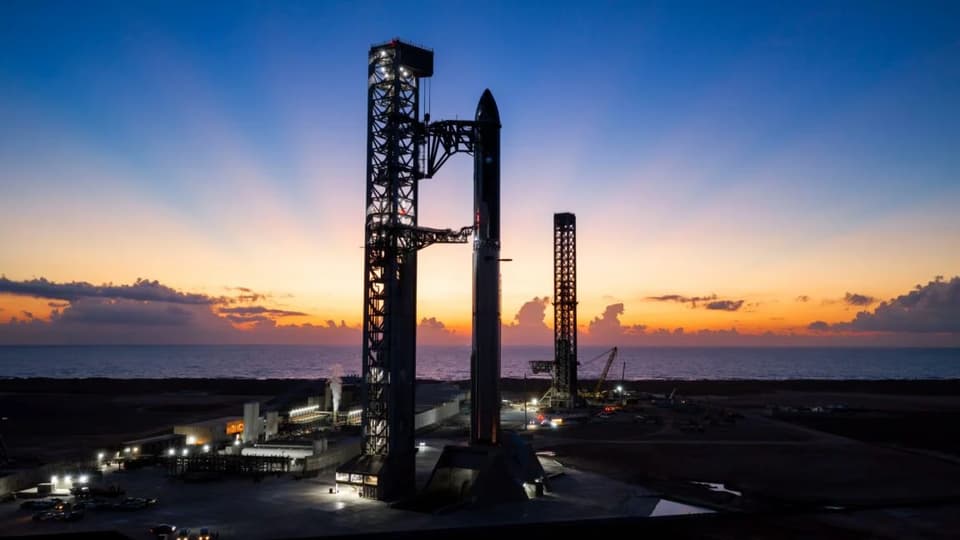
SpaceX plans to end commercial Falcon 9 launches within two to three years, triggering a potential price surge in the launch market. Astra targets an early 2027 return with its expendable Rocket 4.0, while Firefly Aerospace warns that previous low prices were unsustainable. Meanwhile, Ariane 6 faces delays due to turbopump issues, and ESA reports rising concerns about space debris.
Key points
- SpaceX is preparing to wind down Falcon 9 commercial operations within the next two to three years, shifting focus to Starship.
- Astra CEO Chris Kemp targets an early 2027 debut for Rocket 4.0, an expendable vehicle designed for high reliability and low cost.
- Firefly Aerospace VP Michael Creech argues that previous low launch prices were unsustainable and predicts an industry price reset within two years.
- Ariane 6 will miss its 2026 launch target due to turbopump issues discovered in August, delaying missions for Amazon Leo and other customers.
- ESA’s latest report warns that current launch trajectories could lead to Kessler syndrome, with projections excluding new orbital data centers.
- Space Epoch raised over 343 million yuan in Series B funding to support its Yuanxingzhe-1 rocket, which may fly orbitally before year-end.
Background
This development follows a period of rapid expansion in U.S. commercial launches, with the FAA forecasting nearly 4,300 launches between 2026 and 2036. The current market shift contrasts with earlier expectations of sustained low-cost access, highlighting a transition toward higher prices and reduced cadence for traditional expendable rockets. Additionally, the industry is navigating increased regulatory scrutiny and environmental concerns, such as the blocked Southern Launch site in Australia due to endangered species protections.
Why it matters
The potential end of cheap, reliable Falcon 9 launches could significantly increase costs for satellite operators and delay critical missions, including Amazon’s Leo constellation. This shift may accelerate the adoption of reusable technology but also create a supply shortage that forces customers to accept higher prices or wait longer for launches. Furthermore, rising space debris concerns threaten long-term orbital sustainability, potentially impacting future launch approvals and international cooperation.
What to watch
Astra aims to launch Rocket 4.0 in early 2027, while Firefly Aerospace expects the market to stabilize within two years. SpaceX may launch Starship Flight 14 as early as September 28. Ariane 6 is attempting on-site repairs at the Guiana Space Center to recover its 2026 schedule. Space Epoch may conduct an orbital test of Yuanxingzhe-1 before the end of 2026.
Want the full story? Read the original reporting
Read on Ars Technica