
NASA tests lithium-metal electric thruster, hits 120 kW power in breakthrough propulsion demo
TL;DR
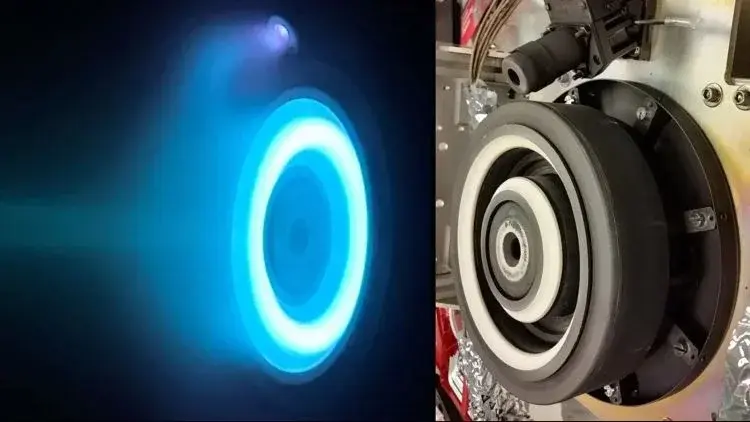
NASA’s Jet Propulsion Laboratory demonstrated a lithium-metal vapor electric thruster and set a 120 kW power record, marking a major step toward high‑power, fuel‑efficient propulsion for future crewed Mars missions. While the tech promises substantial propellant savings, a real Mars mission would require multi‑megawatt power and thousands of hours of operation to enable transit, landing, and return; scaling the system remains the key challenge.
Topics:sciencetechnology#electric-propulsion#lithium-metal#mars-mission#nasa#space-propulsion#technology
- New Lithium-Plasma Engine Passes Key Mars Propulsion Test Universe Today
- NASA Tests Prototype ‘Magnetoplasmadynamic’ Electric Propulsion Thruster Designed to Power Future Trips to Mars The Debrief
- JPL Team Ignites High-Power Lithium-Fed Electric Thruster Aimed at Human Mars Flights SpaceWar.com
- NASA fires up a lithium plasma engine 25 times more powerful than any electric thruster ever used in space. The technology needs to operate for 23,000 hours non-stop at infernal temperatures, and if successful, will put the first human on Mars. CPG Click Petróleo e Gás
- NASA tests high-powered thruster that could send humans to Mars AOL.com
Want the full story? Read the original reporting
Read on Universe Today