
Genome Doubling: Evolution’s High-Stakes Gamble
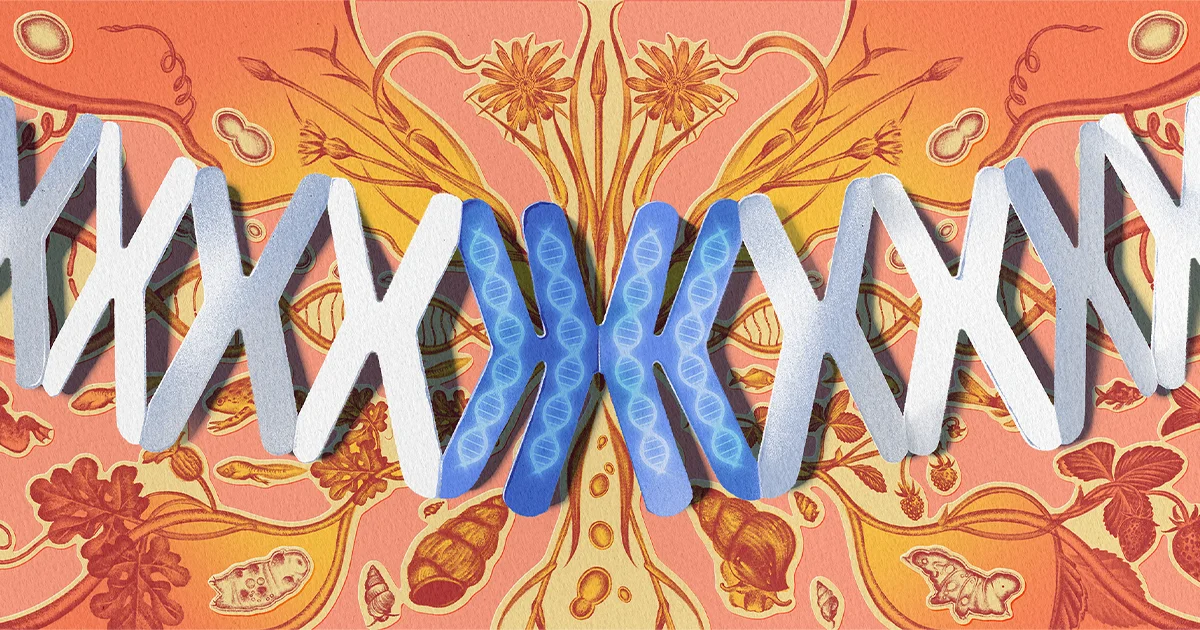
Whole-genome duplication (polyploidy) is the most radical mutation an organism can endure in one generation: it can unleash vast genetic novelty and rapid evolution, or cause sterility and failure. New work on the New Zealand snail Potamopyrgus antipodarum shows a recent genome doubling—three to four chromosome sets—that’s already being heavily rearranged, with about 60% of the extra genes lost in under a million years. Across life, from goatsbeard plants to tomato fruit and yeast, ancient and ongoing duplications have fueled major innovations, but many polyploids never stabilize. Survival appears to depend on environmental upheaval that creates a niche for the new gene combinations, followed by selective pruning and rediploidization. In short, genome doubling is a powerful but context-dependent engine of evolution.
Reading Insights
0
5
17 min
vs 18 min read
97%
3,496 → 121 words
Want the full story? Read the original article
Read on Quanta Magazine