
China’s DREADD Trials Shock US Neuroscientists
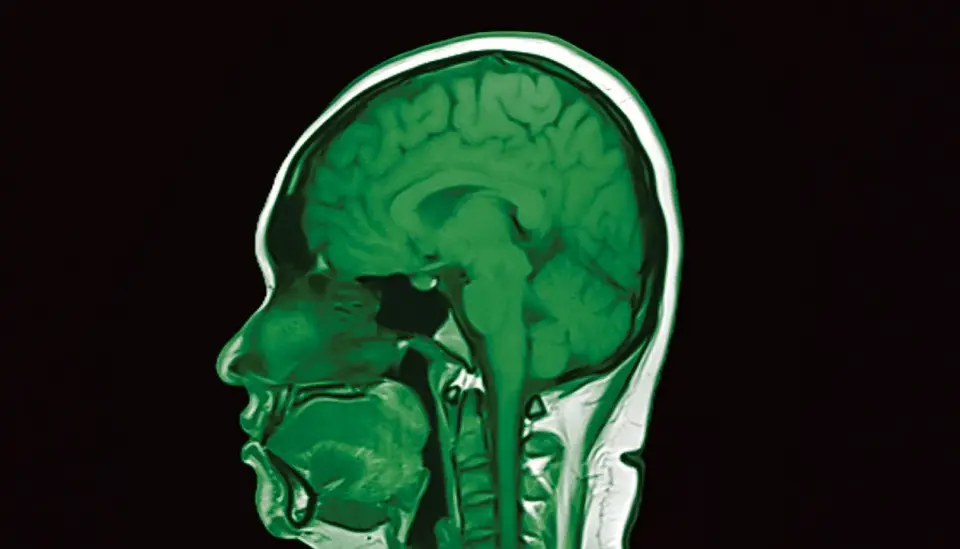
Chinese researchers are conducting at least seven human clinical trials using DREADDs, a chemogenetic technology developed in the US 20 years ago, to treat epilepsy, Parkinson’s disease, and neuropathic pain. This marks the first time the technology has moved from the lab to the clinic, surprising US experts who believed commercialization barriers had stalled progress. The trials use viral vectors to deliver designer receptors that suppress neuronal activity when exposed to the drug clozapine, offering a potentially precise alternative to brain surgery for intractable conditions.
Key points
- Seven clinical trials in China are testing DREADDs for intractable epilepsy, Parkinson’s disease, and neuropathic pain.
- DREADDs use designer receptors with picomolar affinity for clozapine to suppress neuronal signaling with high precision.
- US neuroscientist Bryan Roth described the news as causing 'stunned silence' at a recent NIH BRAIN Initiative meeting.
- Three trials use adeno-associated virus vectors, raising concerns about immune reactions, though later trials suggest initial safety data was positive.
- The technology was developed by Bryan Roth at the University of North Carolina 20 years ago but faced commercialization barriers in the US.
Background
DREADDs (designer receptors activated by designer drugs) have been a widespread research tool in neuroscience for altering brain circuits but had not previously been used in clinical settings. The US BRAIN Initiative has long supported neurotechnologies, but commercialization of DREADDs stalled due to perceived risks and barriers. Recent gene therapy trials in China have faced safety issues, including fatal immune reactions, but the DREADD trials appear to have proceeded after initial safety indications. This development contrasts with earlier protein-based research, such as the Weizmann Institute’s work on MTCH2 for obesity, which remains in preclinical stages.
Why it matters
If successful, DREADD therapies could replace invasive brain surgeries for debilitating conditions like trigeminal neuropathic pain, which is a risk factor for suicide. The technology’s precision could reduce off-target side effects compared to traditional small-molecule drugs. This marks a potential shift toward circuit-based therapeutics for neuropsychiatric diseases, highlighting China’s rapid advancement in clinical neurotechnology.
What to watch
C&EN has reached out to the investigators of record for comment. The outcome of the trigeminal neuropathic pain trial is critical; success could open the door for DREADDs in virtually all neuropsychiatric diseases. Researchers will monitor for safety issues related to viral vectors and immune reactions, as seen in other gene therapy trials.
Want the full story? Read the original reporting
Read on Chemical & Engineering News