
Satellite Firms Lock in Launch Slots to Mitigate Market Constraints
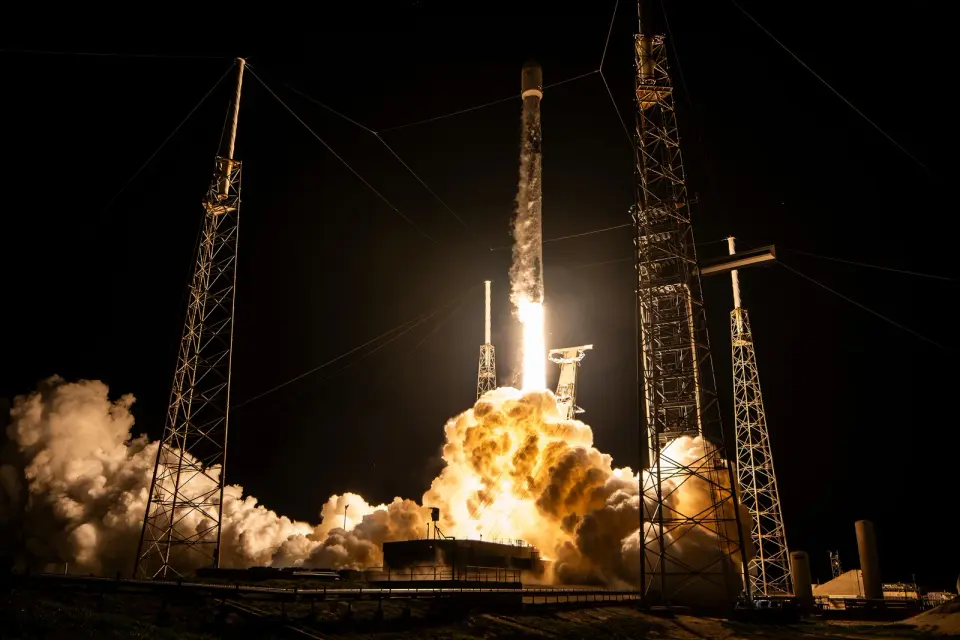
Satellite operators are prioritizing long-term launch contracts to secure capacity in a constrained market. AST SpaceMobile has booked 10 launches to complete its 45-satellite constellation by early 2027, relying on Falcon 9 and potentially New Glenn. Other firms, including HawkEye 360 and Spire Global, have secured rideshare slots through 2028, though they remain cautious about future availability as SpaceX may reduce its Transporter and Bandwagon programs.
Key points
- AST SpaceMobile has 12 satellites in orbit and has booked 10 additional launches to complete its initial 45-satellite constellation by early 2027.
- The May 28 Blue Origin New Glenn explosion delayed AST’s commercial service start by three to six months, pushing it into the first half of 2027.
- AST SpaceMobile is not counting on New Glenn for 2026 launches, preferring Falcon 9, which carries three BlueBird satellites per flight compared to eight on New Glenn.
- HawkEye 360 and Spire Global have secured launch capacity through 2028, mitigating near-term risks but leaving uncertainty for 2029 and beyond.
- SpaceX’s potential reduction or elimination of Falcon 9 rideshare programs like Transporter and Bandwagon is a primary concern for satellite operators relying on these services.
Background
The launch market has become increasingly constrained, with major players like SpaceX securing large military contracts, such as a $1.6 billion deal for 18 Falcon 9 launches through 2027. Recent setbacks, including a failed Chinese Long March 7A launch and a Blue Origin New Glenn explosion, have further tightened available capacity. Additionally, SpaceX’s exploration of lunar satellite factories and in-orbit servicing initiatives signals a shift toward more integrated and cost-effective space operations, influencing how operators plan their deployment strategies.
Why it matters
The scarcity of launch capacity is forcing satellite operators to prioritize long-term contracts and diversify their launch providers to ensure timely deployment. This trend highlights the growing importance of securing reliable access to space, as delays in launch schedules can significantly impact commercial service timelines and investor confidence. The reliance on a few major launch providers, such as SpaceX and Blue Origin, underscores the need for alternative options and potential vertical integration to mitigate risks in a competitive and constrained market.
What to watch
AST SpaceMobile aims to complete its initial 45-satellite constellation by early 2027, contingent on the availability of New Glenn and Falcon 9 launches. Blue Origin is targeting the end of 2026 to resume New Glenn flights, which could provide additional capacity for AST and other operators. Meanwhile, HawkEye 360 and Spire Global are exploring alternative launch providers, including Firefly Aerospace, Stoke Space, and Rocket Lab, to ensure future launch availability beyond 2028. The industry may see increased interest in vertical integration and partnerships to secure launch capacity and reduce dependency on third-party providers.
Want the full story? Read the original reporting
Read on SpaceNews