
Alliance Arts cancels public demo for Drunken Goddess Reflux to prevent AI cloning
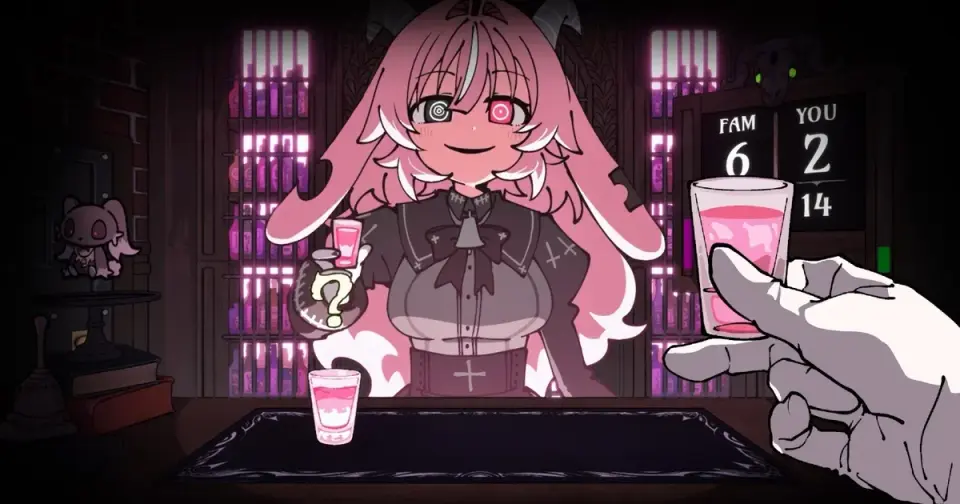
Developers of the drinking game Drunken Goddess Reflux have cancelled a planned public demo scheduled for October 19, opting instead for limited-access online sessions. The decision stems from concerns that generative AI tools could be used to clone the game’s presentation and mechanics, potentially allowing copycats to release a replica before the official launch. While the studio cited staffing limitations as a secondary reason for the change, the primary driver appears to be the fear of rapid AI-driven imitation, a growing trend in the industry.
Key points
- Alliance Arts cancelled a public demo for Drunken Goddess Reflux, replacing it with restricted online play sessions.
- The studio expressed concern that AI tools could replicate the game’s gameplay and visual style before its official release.
- The developers noted that their current team size makes it difficult to enforce restrictions on posting and streaming gameplay videos.
- This move reflects a broader industry trend where developers are becoming more cautious about sharing early builds due to the risk of AI-generated clones.
- The game, a drinking game involving a demon character, is described as one of Steam’s most-wishlisted titles.
Background
Recent months have seen a rise in AI-generated clones of popular games, such as the viral needle-in-haystack game and Typing Magician, which were replicated using progress videos fed to generative AI. This trend has led to increased caution among developers, as seen in Jagex’s removal of a RuneScape trailer after AI usage was detected. The current situation with Drunken Goddess Reflux highlights the growing tension between transparency in game development and the risks posed by rapid AI replication.
How outlets are covering it
Rock Paper Shotgun frames the cancellation as a significant development in the 'genAI gloom,' suggesting it may be the start of a trend where developers avoid public demos to protect their work. The outlet also notes the possibility that the AI concern could be a marketing tactic, though it acknowledges the genuine risks. GamesRadar+ emphasizes the fear of being 'ripped off' and beaten to launch, highlighting the practical challenges developers face in protecting their intellectual property in an era of AI. Both outlets agree on the core issue but differ in their emphasis on the potential for marketing vs. genuine concern.
Why it matters
This incident underscores the growing impact of generative AI on the game development industry, where the ease of cloning games can undermine developers' efforts and market positioning. It may lead to a shift in how studios approach public demos and early access, potentially reducing transparency and community engagement. The broader implications include increased legal and ethical debates around AI-generated content and intellectual property in the gaming sector.
What to watch
Developers may increasingly adopt limited-access demos or other protective measures to prevent AI cloning. The industry could see more discussions around legal frameworks for AI-generated content and intellectual property. Additionally, this may influence how studios market their games, with a greater emphasis on anti-AI messaging or alternative promotional strategies.
- We have reached a new threshold in genAI gloom, with a game dev cancelling a demo for fear of copycats ripping them off before release Rock Paper Shotgun
- Anime Gambling Horror Game Ditches Free Steam Demo So It Doesn’t Get Ripped Off By AI Kotaku
- Devs are canceling their demos to stop AI users from stealing their games – creator of one of Steam's most-wishlisted is "concerned" it may be ripped off and beaten to its own launch GamesRadar+
- Drunken Goddess Reflux scraps public demo over AI-theft concerns Niche Gamer
- This Anime Stalker Russian Roulette Game Is Afraid AI Copycats Will Steal Its Ideas Yahoo Tech
Want the full story? Read the original reporting
Read on Rock Paper Shotgun