
Lenovo Admits Legion Go BIOS Update Bricked Handhelds, Vows Warranty Repairs
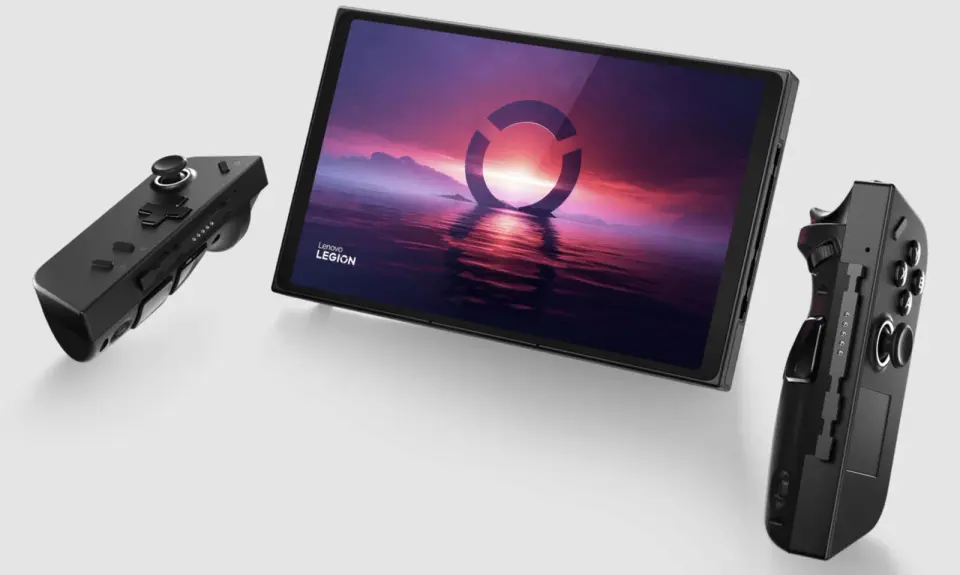
Lenovo has officially acknowledged that a recent BIOS update for the Legion Go gaming handheld caused devices to become unresponsive, confirming the issue was not user error. After nearly three weeks of user reports and initial resistance to free repairs, the company has agreed to cover repair costs under warranty. The flawed firmware, identified as N3CN42WW, has been removed from Lenovo's servers, though the root cause of the failure remains unidentified.
Key points
- Lenovo confirmed in a forum post that the BIOS update N3CN42WW caused Legion Go units to brick, stating the failure was 'not user error.'
- The company agreed to conduct repairs under warranty for affected devices, reversing an earlier stance that suggested users might bear the costs.
- The problematic BIOS update has been removed from Lenovo's official website following widespread reports of unresponsive hardware.
- Lenovo Support advised users to 'check local laws' regarding manufacturer defects, implying that out-of-warranty repairs might not be free in regions without legal mandates for such fixes.
- This incident follows previous controversies where Lenovo initially discontinued updates for the first-generation Legion Go before reversing that decision to support the device through October 2029.
Background
The Legion Go is part of Lenovo's gaming hardware lineup, which has recently expanded into new markets. In July 2026, Lenovo teased the Legion C700, a cloud-focused gaming handheld with a 7.82-inch display and Tencent partnership, signaling a shift in their handheld strategy. Additionally, the company launched the Legion Y7MG mouse and the Legion R9000P laptop in mid-2026, focusing on high-performance specs like 8K polling rates and inkjet OLED displays. The current BIOS issue highlights ongoing challenges in firmware stability for their portable gaming devices.
Why it matters
This incident underscores the risks of mandatory firmware updates for consumer electronics, particularly in the gaming hardware sector where reliability is critical. Lenovo's initial reluctance to cover repair costs, despite acknowledging the fault, highlights tensions between corporate liability and consumer protection laws. The resolution sets a precedent for how manufacturers handle defective updates, potentially influencing future support policies for other gaming handhelds and laptops.
What to watch
Lenovo is expected to process warranty repairs for affected Legion Go units, though the timeline for out-of-warranty cases remains unclear due to the 'check local laws' caveat. The company has not announced a specific date for a fixed BIOS update, only confirming the removal of the flawed version. Users are advised to monitor Lenovo's support channels for further updates on repair logistics and potential compensation for shipping costs, which some users report are not being reimbursed.
Want the full story? Read the original reporting
Read on TechPowerUp