
New Mesothelioma Drug Exploits Tumor Oxidative Stress to Achieve 67% Disease Control
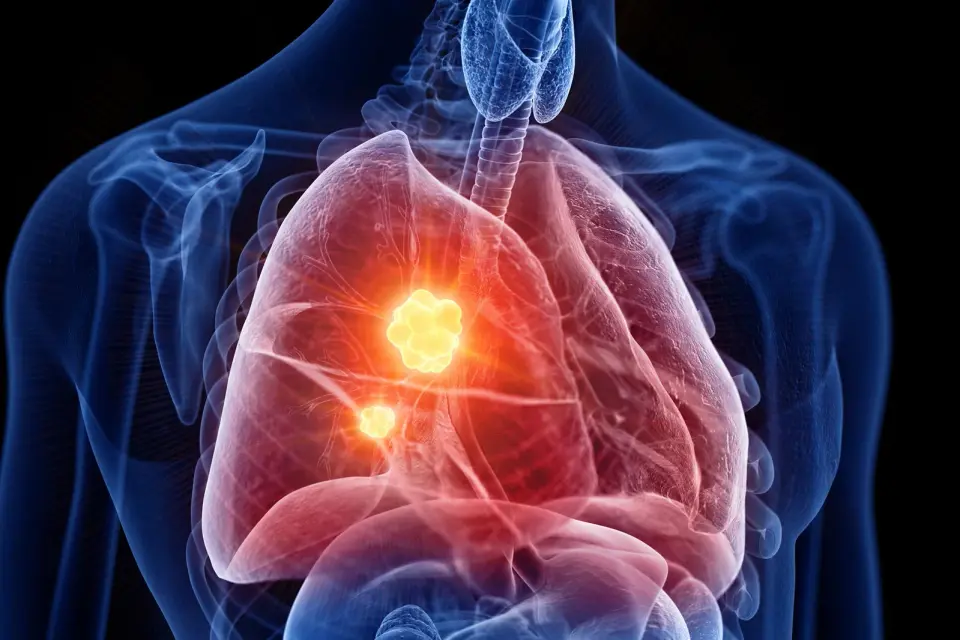
A University of Vermont team developed an experimental drug that targets the enzyme peroxiredoxin 3 in mesothelioma cells. By blocking this antioxidant, the treatment allows toxic reactive oxygen species to accumulate, killing tumor cells. A phase one trial showed 67% disease control and improved survival, with phase two results expected soon.
Key points
- Mesothelioma, a rare cancer linked to asbestos exposure, affects approximately 30,000 people globally each year with a median survival of 12 months.
- The experimental drug, RSO-021, is derived from the antibiotic thiostrepton and works by inhibiting peroxiredoxin 3 (PRX3) within mitochondria.
- Blocking PRX3 causes hydrogen peroxide to build up in cancer cells, triggering cell death, while healthy cells appear unaffected based on mouse studies.
- In a phase one trial conducted in the UK, 67% of patients experienced disease control, and overall survival exceeded standard therapies.
- The drug is administered locally via a chest catheter, a method used by 90% of mesothelioma patients for pleural effusions, to maximize tumor exposure and minimize systemic side effects.
Background
Mesothelioma is an aggressive cancer often linked to historical asbestos exposure, with limited treatment options and poor long-term survival rates. Previous research suggested that adding antioxidants might support tumor growth, leading to the counter-intuitive strategy of increasing oxidative stress in cancer cells. This new approach reverses that assumption by targeting the cancer's own defense mechanisms against oxidative damage.
Why it matters
This research offers a potential new treatment avenue for a cancer with few effective therapies. The ability to selectively target cancer cells through their metabolic vulnerabilities could lead to improved survival rates and may be applicable to other cancers, such as gastric and gastrointestinal tumors, as second-generation oral inhibitors are developed.
What to watch
Results from a completed phase two clinical trial are expected to be presented at a global oncology meeting later in 2026. Researchers are also collaborating with the University of Leicester to develop more soluble, oral versions of the drug and are expanding studies to other cancers, including peritoneal and gastric tumors.
Want the full story? Read the original reporting
Read on SciTechDaily