
Expert Warns Elite Athlete Endorsements Can Mislead Consumers About Fitness Gadgets
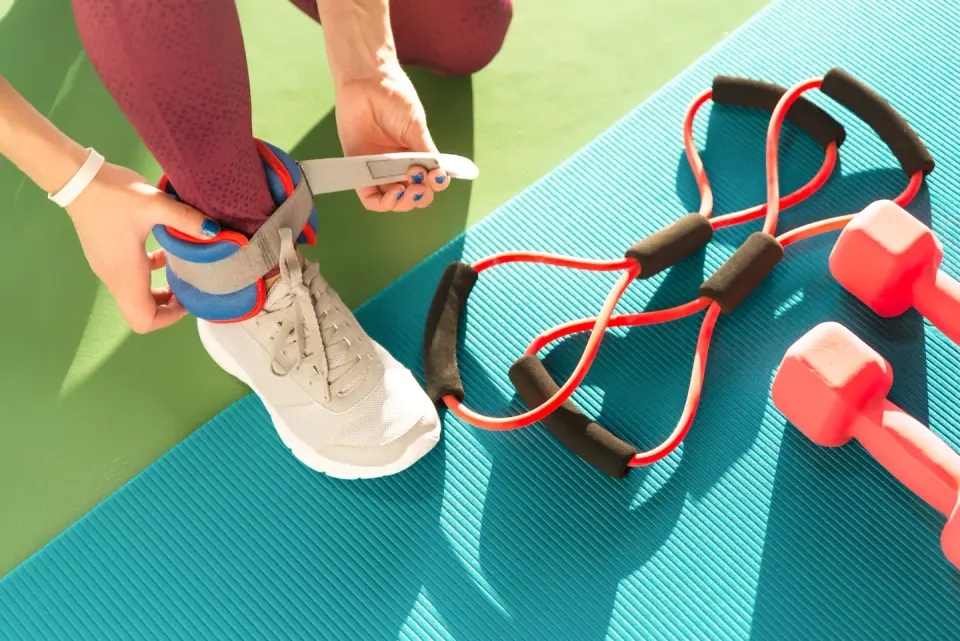
A kinesiology expert argues that the widespread use of recovery devices and supplements by elite athletes creates a false sense of validation for the general public. While tools like compression boots and smart rings are common in professional sports, their benefits for recreational users are often overstated. Consumers should prioritize evidence-based evaluation over celebrity endorsements to avoid wasting money on ineffective products.
Key points
- The visibility of gadgets like ice baths and creatine supplements among elite athletes acts as an implicit endorsement, making them appear more effective than the scientific evidence supports.
- Adam Annaccone, a clinical associate professor of kinesiology at the University of Texas at Arlington, advises consumers to critically evaluate new fitness products rather than assuming they are universally beneficial.
- Recreational athletes should assess their specific goals and the available evidence before adopting practices designed for high-performance professional sports.
- The article highlights a gap between professional athletic recovery strategies and the actual needs or evidence-based benefits for everyday fitness enthusiasts.
Background
This discussion follows recent media scrutiny of common health trends, such as the risks of overhydration in endurance sports and the dangers of excessive iron supplementation. While previous coverage has focused on specific nutrient or fluid imbalances, this piece addresses the broader issue of how professional sports culture influences consumer behavior regarding fitness technology and supplements.
Why it matters
The fitness industry often leverages the success of elite athletes to market products to the general public, creating a perception that professional-grade tools are necessary for basic health. This can lead to unnecessary spending and potential health risks if consumers adopt protocols without understanding the underlying evidence or their individual physiological needs.
What to watch
Consumers are encouraged to adopt a more skeptical approach to fitness marketing, focusing on peer-reviewed evidence and personal health goals rather than the visibility of products in professional sports settings. Experts may continue to publish guidelines to help the public distinguish between proven medical interventions and marketing-driven trends.
Want the full story? Read the original reporting
Read on The Washington Post