
Touching soil and plants may boost immune health by diversifying skin microbes
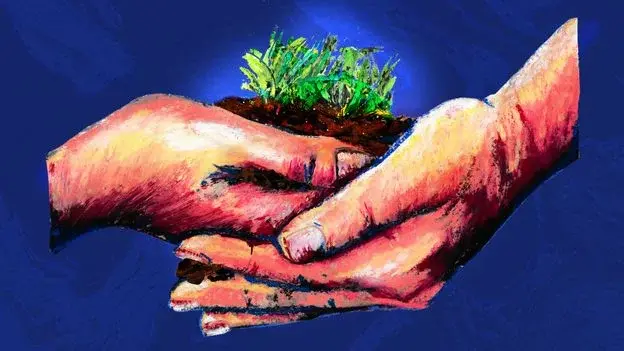
Research indicates that brief contact with soil, moss, and plants significantly increases the diversity of microbes on human skin. This microbial diversity appears to crowd out harmful pathogens and may positively influence immune system regulation, potentially reducing the risk of immune-related disorders.
Key points
- Ecologist Mira Grönroos found that rubbing hands with soil, peat, or moss for just 20 seconds increased skin microbial diversity, even after washing with tap water.
- A diverse microbial community on the skin acts as a defense mechanism, preventing pathogenic bacteria from becoming dominant, which researchers compare to a 'democracy' versus a 'dictator'.
- The Vahvistu research project in Finland is studying 43 daycare centers where children spend hours daily in wooded, natural playgrounds to assess long-term immune system impacts.
- Studies show that exposure to microbially diverse soil increases regulatory T cells and anti-inflammatory cytokines, which help balance the immune system and prevent overactivity.
- Adults who gardened with microbially diverse soil for a month also showed increased skin microbial diversity and improved immune markers, suggesting benefits extend beyond childhood.
Background
Previous studies, such as a 2016-17 trial by Marja Roslund, established that children playing on forest floors had greater skin microbial diversity compared to those on paved yards. The current Vahvistu project expands on this by tracking immune markers over a three-year period in daycare settings.
Why it matters
Understanding the link between environmental biodiversity and human health offers a low-risk, accessible method to potentially mitigate the rise in immune-related conditions like eczema, asthma, and allergies. It suggests that urban planning should prioritize unintentional contact with nature to support public health.
What to watch
Researchers are continuing to analyze blood, hair, and saliva samples from children in the Vahvistu project to determine long-term immune outcomes. Further studies are needed to clarify the specific mechanisms by which soil microbes influence immune regulation and to confirm if these exposures can definitively prevent specific diseases.
Want the full story? Read the original reporting
Read on BBC