
Microbial Signatures Linked to Psychopathic Traits in New Study
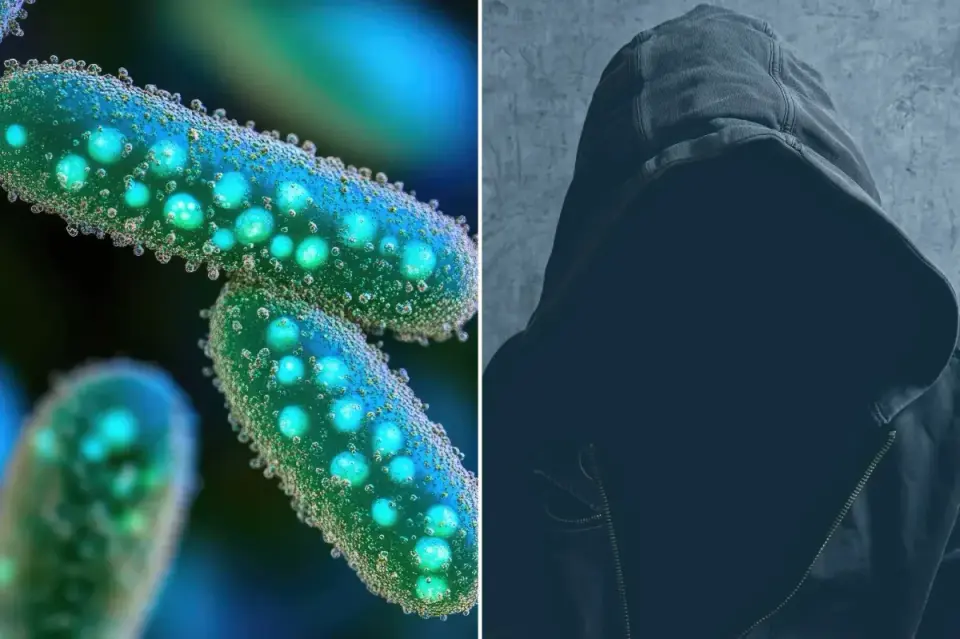
A preliminary study from the University of Porto identifies a correlation between specific gut and oral bacteria and psychopathic personality traits. Researchers found that higher levels of Allisonella, Prevotella, and Cloacibacillus evryensis were associated with higher psychopathy scores, while Treponema vincentii showed a negative association. The study, which analyzed 200 healthy adults, suggests a biological footprint for psychopathy beyond traditional neurocognitive models but emphasizes that the findings are correlational, not causal.
Key points
- Researchers led by Carolina Costa at the University of Porto published a study in Nature linking gut and oral microbiota composition to subclinical psychopathic traits.
- The study involved 200 healthy adult participants who completed the Self-Report Psychopathy Scale-Short Form and provided blood, saliva, and fecal samples.
- Higher abundances of Allisonella, Prevotella, and Cloacibacillus evryensis were correlated with higher psychopathy scores, while Treponema vincentii was associated with lower scores.
- The study is not yet peer-reviewed and demonstrates correlation rather than causation, with researchers cautioning that more research is needed to understand the mechanism.
- The findings suggest a 'measurable biological footprint' for psychopathy that extends beyond traditional neurocognitive models, potentially involving inflammation or neurotransmitter pathways.
Background
This study builds on earlier coverage from our archive, which highlighted the same preliminary findings from the University of Porto. Previous reports emphasized the correlational nature of the data, the small sample size, and the need for cross-regional research to validate the microbiome-brain connection. The current study reinforces these initial findings while adding details about the specific bacterial species involved and their potential mechanisms, such as inflammation and impulse control.
Why it matters
This research could shift the understanding of psychopathy from a purely neurocognitive model to one that includes biological markers in the gut microbiome. If validated, these microbial signatures could serve as biomarkers for psychopathic traits, potentially leading to new diagnostic tools or interventions. However, the correlational nature of the study means that more research is needed to establish causality and understand the underlying mechanisms.
What to watch
Further research is needed to determine the causal relationship between gut microbiota and psychopathic traits. This includes larger, cross-regional studies and investigations into the mechanisms by which bacteria like Allisonella and Prevotella might influence behavior through inflammation or neurotransmitter pathways. The findings may also lead to the development of microbiome-based therapies or interventions for individuals with high psychopathic traits.
Want the full story? Read the original reporting
Read on New York Post