Tag

Psychopathy

All articles tagged with #psychopathy

health1 month ago

The quiet science behind dangerous kids and how early help can change their path

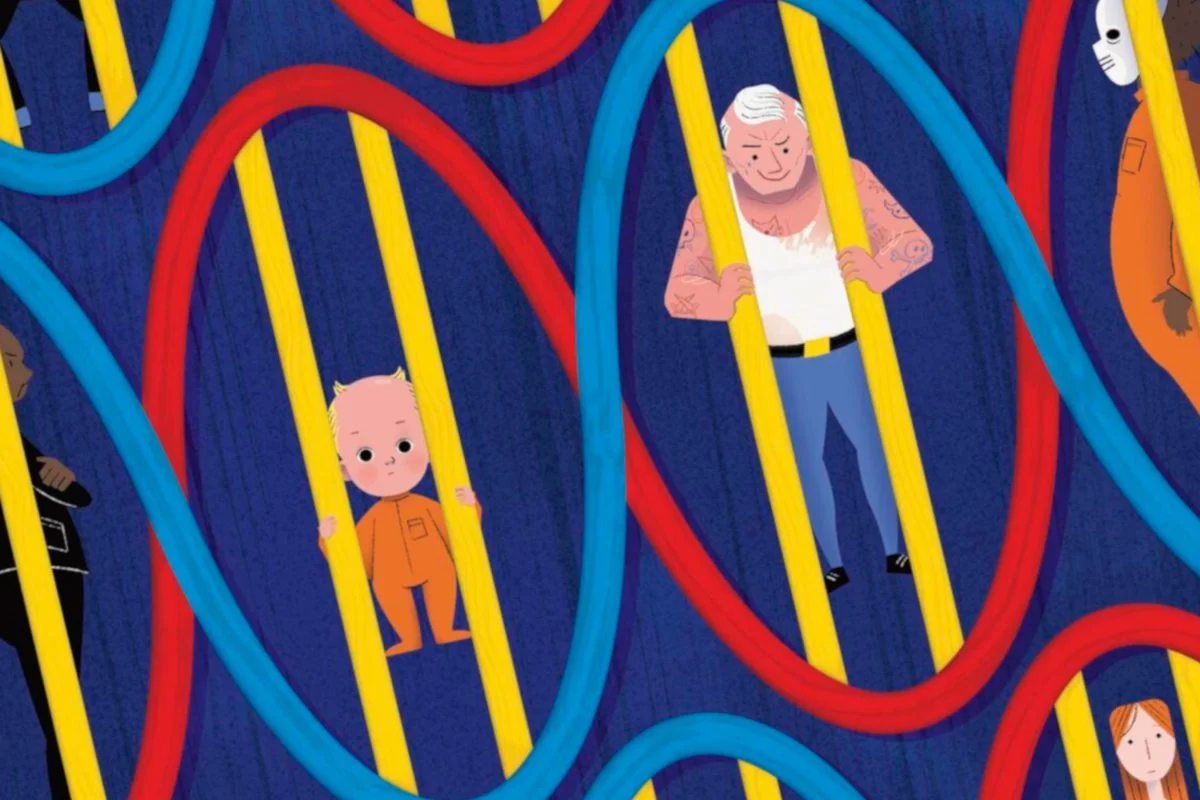
A psychologist explains that some children display callous-unemotional (CU) traits that sit on a spectrum and increase the odds of adult psychopathy, detectable in early childhood. The piece explores how genetics and parenting contribute to these traits, cites case studies of extreme behavior, and emphasizes evidence-based interventions—such as parent-child interaction therapy—that reward empathy and limit punishment. It argues that removing problematic children from settings may shift harm elsewhere and that a coordinated family, school, and community approach can reduce violence and improve outcomes for both affected children and their peers.

Profilers Explain Why an 84-Year-Old Was Kidnapped
crime1 month ago

Profilers Explain Why an 84-Year-Old Was Kidnapped

After Nancy Guthrie, 84, was kidnapped, experts say the attacker likely planned the crime and targeted her home, suggesting premeditation and reconnaissance rather than a random act. Elder kidnappings are rare, making data scarce for a reliable profile, but possible motives discussed include money, notoriety, or misplaced grievances. Public ransom notes are unverified, and investigators stress waiting for verified information while considering that there may be multiple motivational factors and no single offender profile.

Viral claim Erika Kirk may be a psychopath sparks online debate
politics1 month ago

Viral claim Erika Kirk may be a psychopath sparks online debate

Elizabeth Lane's viral post arguing Erika Kirk may be a psychopath drew about 6 million views in 24 hours and sparked a heated debate over Kirk's authenticity after TPUSA founder Charlie Kirk's death, highlighting moments like her rapid rise to CEO, a leaked staff Zoom call, and other public appearances—while Lane says it's opinion, not a diagnosis, the post underscored public discomfort with perceived engineered emotion but produced no conclusive proof.

Hyperthyroidism State Linked to Broader Dark Personality Profile, New Study Finds
psychology2 months ago

Hyperthyroidism State Linked to Broader Dark Personality Profile, New Study Finds

A study in Current Psychology finds that hyperthyroidism is associated with higher scores on the Dark Tetrad (Machiavellianism, psychopathy, and sadism; narcissism elevated compared with hypothyroidism but not different from controls) versus hypothyroidism and healthy controls. Using the Short Dark Tetrad (SD4) with 154 adults (49 hyperthyroid, 52 hypothyroid, 53 controls), hyperthyroid participants showed higher scores on multiple dark traits even after adjusting for age and sex. The authors caution the effects are modest, based on self-reported diagnoses in a cross-sectional design, reflecting group-level associations rather than individual dispositions, and they advocate longitudinal studies with objective hormone data to clarify mechanisms such as CNS hyperarousal from excess thyroid hormones.

Study Finds Unexpected Link Between Psychopathy and Mind-Reading Skills
psychology5 months ago

Study Finds Unexpected Link Between Psychopathy and Mind-Reading Skills

Research suggests that individuals with higher psychopathic traits, specifically meanness, may have a heightened ability to accurately interpret others' thoughts and intentions, challenging previous assumptions that psychopathy impairs social understanding. The study used a movie-based task to assess social cognition and found that meanness was linked to fewer errors in understanding social situations, possibly reflecting a more logical, less emotional approach to social interpretation. These findings highlight the complex relationship between psychopathic traits and social cognition, with implications for understanding manipulation and social behavior.

Scientists Reveal Which Types of People Are Most Successful on Tinder
science7 months ago

Scientists Reveal Which Types of People Are Most Successful on Tinder

A study found that men who have frequent sex on Tinder tend to exhibit psychopathic traits, while women who have sex on the app report higher satisfaction, possibly due to lowered standards or increased sexual agency. The research highlights personality differences among successful users and raises questions about the influence of traits like psychopathy on dating behaviors.

Unraveling the Neuroscience Behind Psychopathy and Emotional Control
science8 months ago

Unraveling the Neuroscience Behind Psychopathy and Emotional Control

New research using advanced connectome modeling reveals that psychopathy is linked to two distinct neural pathways in the brain: one affecting emotional processing and social-affective functions, and the other impacting attentional control. These pathways help explain the emotional detachment and impulsivity seen in psychopathic traits, and suggest potential targets for tailored interventions. The findings highlight the importance of brain network connectivity in understanding and potentially mitigating psychopathic behaviors.

New Neuroscience Insights Reveal Brain Differences in Psychopaths
science8 months ago

New Neuroscience Insights Reveal Brain Differences in Psychopaths

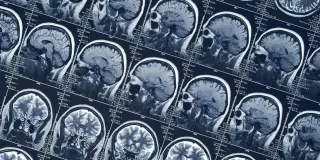
Recent neuroimaging research reveals that individuals with psychopathy exhibit significant reductions in brain volume in regions responsible for emotional regulation, decision-making, and social behavior, providing a biological basis for their antisocial tendencies. The study highlights the complexity of psychopathy, with some traits showing less consistent neural correlations, and paves the way for targeted interventions based on neural differences.

Brain Scan Insights into Psychopaths' Unique Neural Traits
science9 months ago

Brain Scan Insights into Psychopaths' Unique Neural Traits

A study comparing brain scans of psychopaths and non-psychopaths found that individuals with psychopathic traits have structural differences in brain regions associated with emotional regulation, impulsivity, and behavioral control, including smaller overall brain size and specific regional reductions, which could inform future treatments and understanding of psychopathy.