
Global survey identifies 196 Indigenous groups maintaining strict isolation from modern society
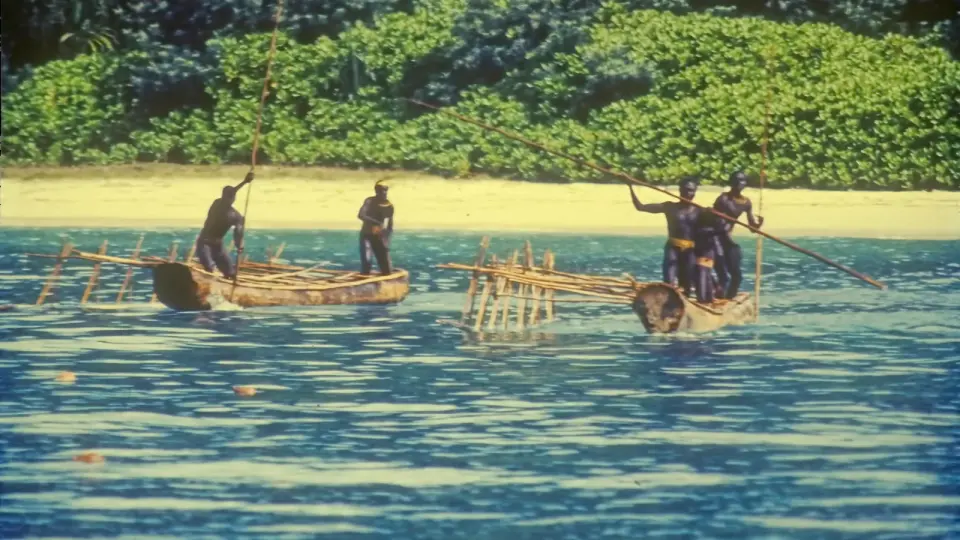
Researchers estimate that at least 196 Indigenous groups remain uncontacted or voluntarily isolated across ten countries, primarily in South America, Asia, and the Pacific. These communities actively avoid interaction with outsiders to protect their cultural integrity and physical safety, often due to historical trauma from disease, forced labor, or conflict. Notable examples include the Sentinelese in India, who reject all contact, and the Kakataibo in Peru, who erase their footprints to remain hidden. Experts emphasize that isolation is a deliberate protective strategy, not a lack of awareness, and argue that forced contact often causes more harm than good.
Key points
- At least 196 uncontacted or isolated Indigenous groups exist worldwide, concentrated in ten countries including Brazil, Indonesia, and India.
- The Sentinelese, living on North Sentinel Island in India, are among the most isolated, with population estimates ranging from 50 to 150 people.
- The Kakataibo in Peru actively erase their footprints to avoid detection, a strategy adopted after negative historical interactions with outsiders.
- The Mashco Piro in Peru are considered the largest uncontacted group, with approximately 750 members, some descended from escaped rubber farm workers.
- Experts argue that isolation is a conscious choice for self-preservation, not a lack of knowledge about the outside world.
Background
This topic relates to broader discussions on human evolution and the mapping of remote landscapes. While previous coverage highlighted the uncharted nature of Earth's ocean floor and the prevalence of habitable-zone planets, this story focuses on the human element of isolation, emphasizing the deliberate choices of Indigenous peoples to remain disconnected from modern society.
Why it matters
Understanding the status of uncontacted peoples is crucial for protecting their rights and preventing harm from external encroachment. These groups face threats from industries like logging, mining, and agriculture, as well as the risk of disease. Recognizing their isolation as a valid and protective strategy helps uphold their human right to self-determination and prevents well-intentioned but harmful interventions.
What to watch
Ongoing efforts by organizations like Survival International and Rainforest Foundation Norway aim to protect the lands and rights of these groups. Continued research and advocacy are needed to document uncontacted groups, many of which remain undocumented, and to ensure that policies respect their choice to remain isolated.
Want the full story? Read the original reporting
Read on Live Science