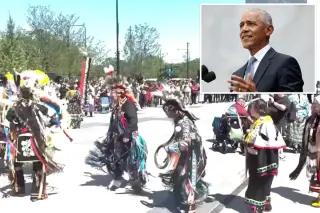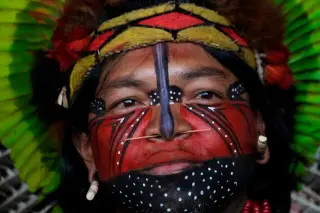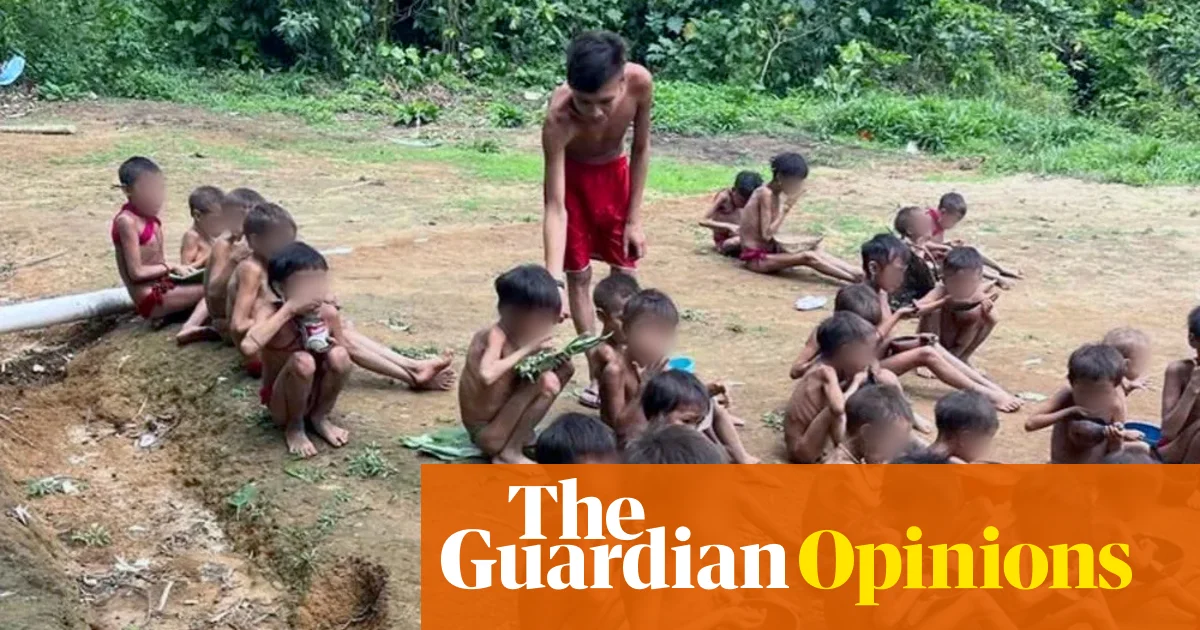
Indigenous communities in Brazil gathered at a Free Land Encampment to press for formal demarcation and stronger protections of their ancestral territories, spotlighting ongoing struggles over land rights and encroachment amid a broader push for recognition.
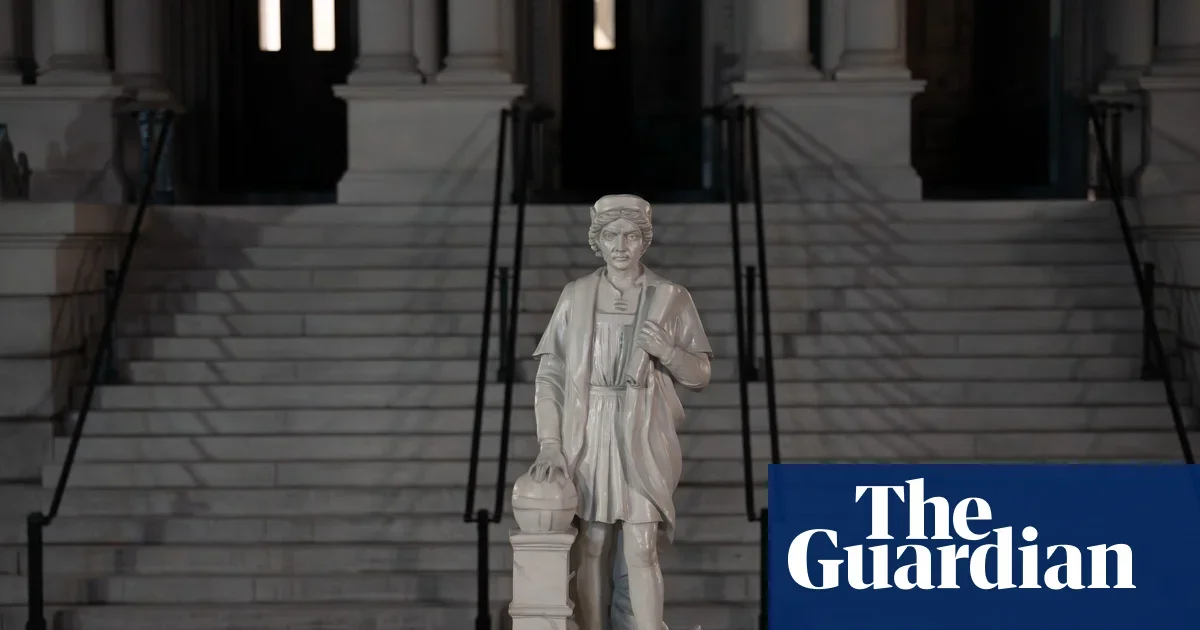
Trump installed a 13-foot Christopher Columbus statue on the White House grounds—a replica of a Baltimore monument destroyed in 2020—bearing an inscription about its destruction and resurrection and rededicated in 2025; the White House calls Columbus a hero, underscoring ongoing debates over his legacy and Indigenous Peoples Day.
In Brazil’s Amazon, the Akuntsu—once about 20 people and now reduced to three isolated women—welcome a baby boy born to a Kanoe partner, a development that offers hope for the tribe’s survival. Officials secured protection for their Rio Omere land, fostered cross-group ties, and a translator aided communication, signaling a possible return of male roles and continuity for the Akuntsu’s future.
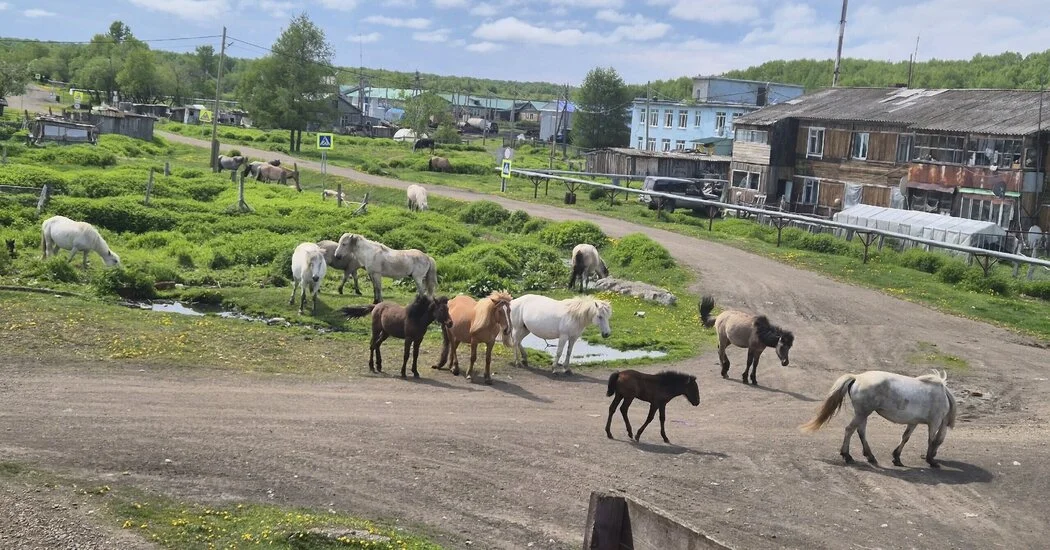
Sedanka, a poverty-stricken Indigenous hamlet in Kamchatka, was touted by regional officials as Russia’s first “Village of Military Valor” for sending many fighters to Ukraine, but the designation has not been officially granted and residents say little aid has followed, even as deaths mount and the village remains mired in deprivation.
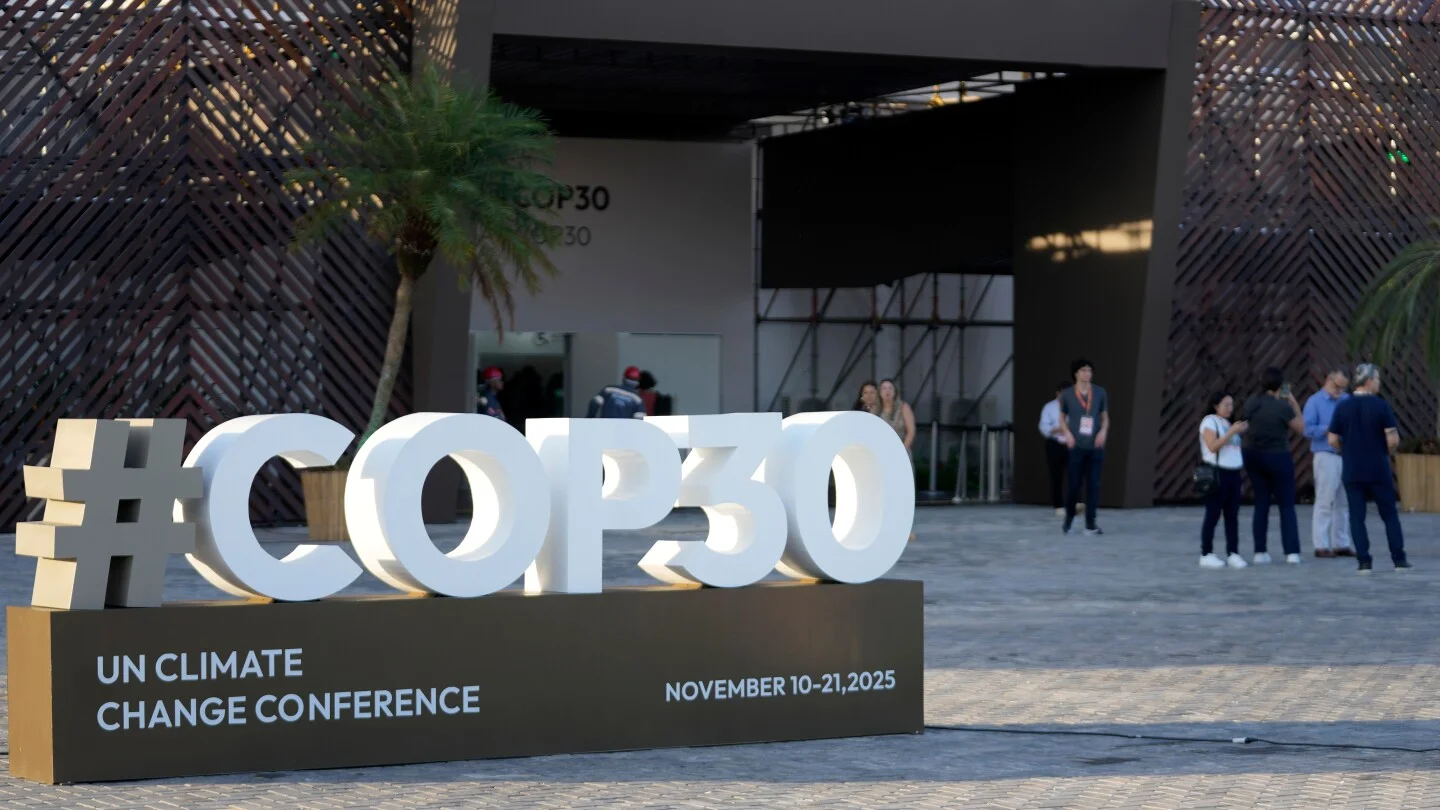
COP30 in Belem, Brazil, aims to address climate change with a focus on Indigenous land stewardship and forest protection, but progress is uncertain as global efforts lag behind targets set by the Paris Agreement, with no major new deal expected this year.
A report by Survival International highlights the critical threats faced by 196 uncontacted Indigenous groups across South America, mainly in Brazil and Peru, due to industrial activities, illegal logging, mining, and political policies that weaken protections. These groups are at risk of extinction within a decade, and recent legal and political developments threaten their territories further, despite international and national efforts to protect them. The article calls for stronger action to defend these vulnerable populations and their lands amid ongoing environmental and political challenges.
The article discusses President Trump's proclamation of Columbus Day, emphasizing a nationalist and Christian-centric view of Columbus's legacy, while criticizing modern reinterpretations of history that highlight the negative impacts of European colonization on Indigenous peoples. It highlights the historical origins of Columbus Day, its association with immigrant communities, and the importance of honest historical analysis over political distortion.
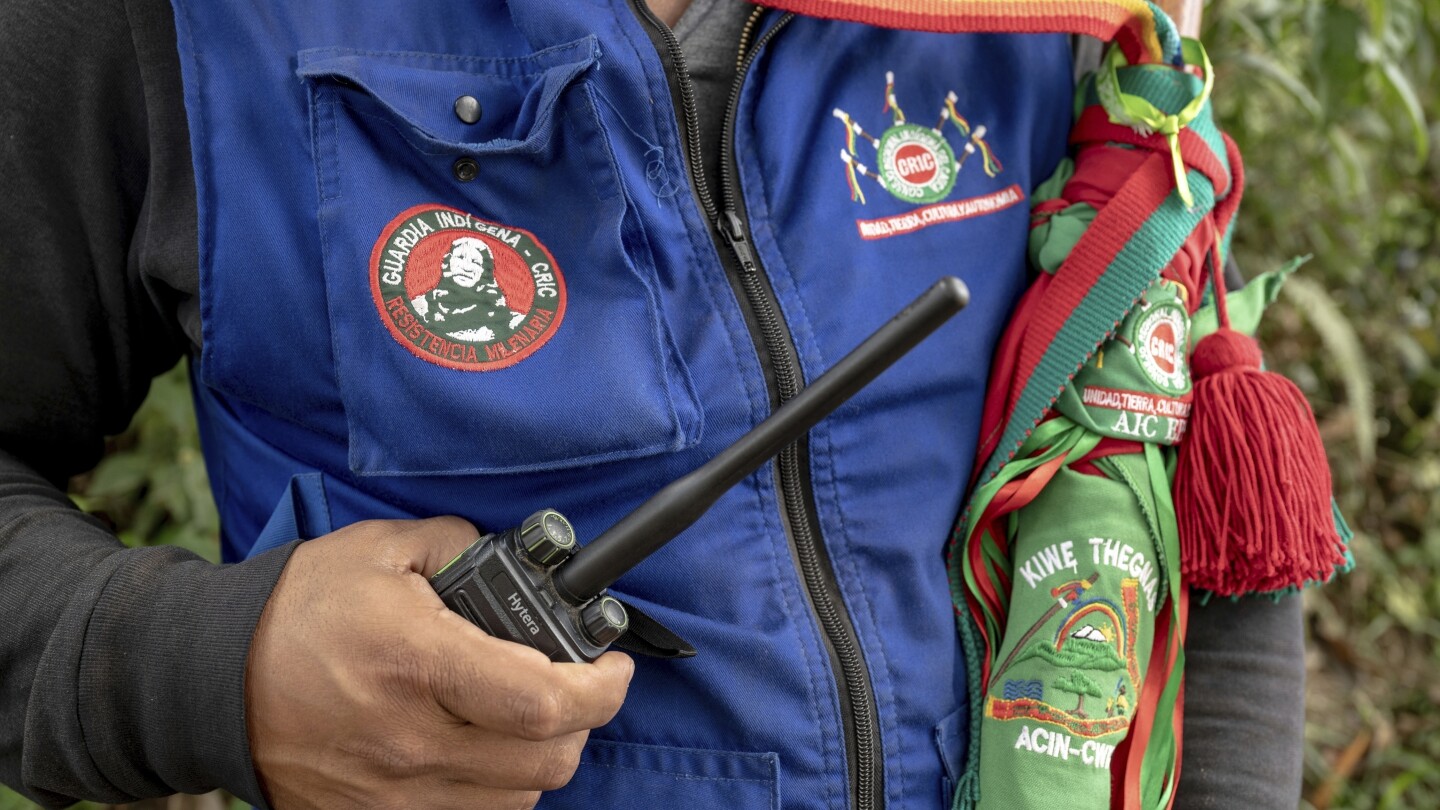
A Global Witness report reveals that at least 146 land and environmental defenders were killed or went missing in 2024, with over 80% of cases in Latin America, especially in Colombia, Guatemala, and Mexico, highlighting ongoing violence linked to resource conflicts and land disputes, disproportionately affecting Indigenous communities.
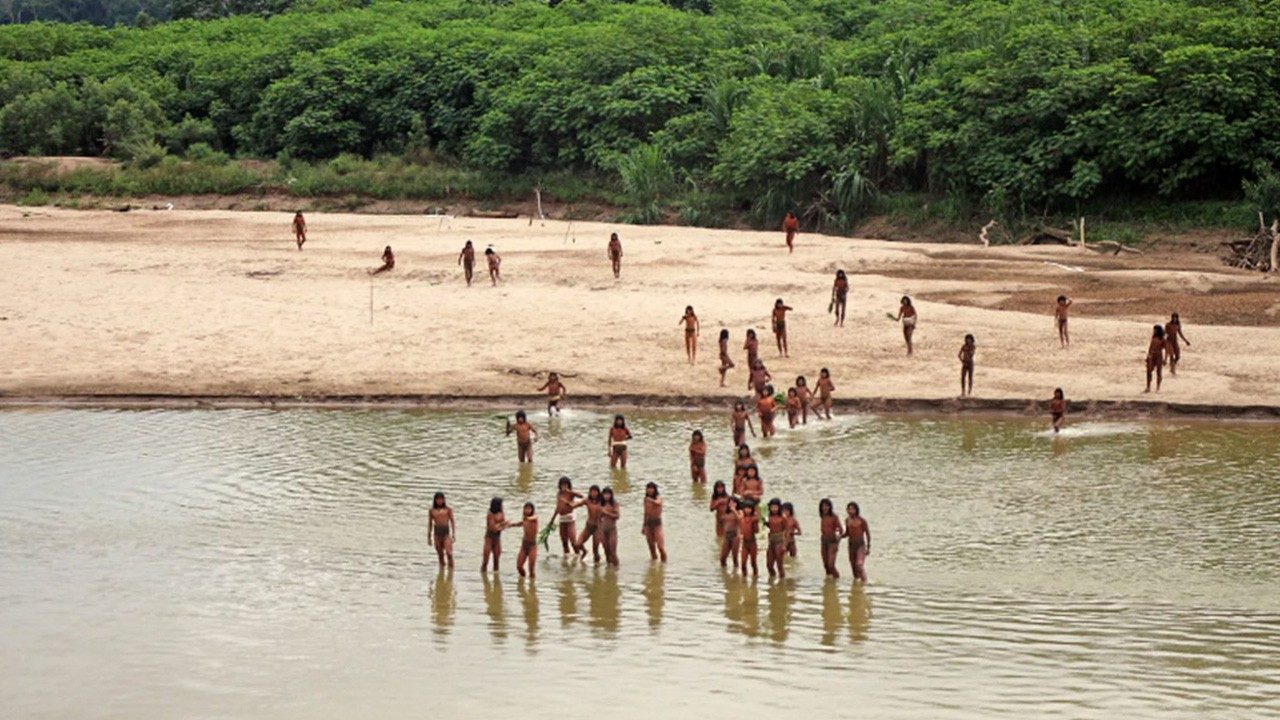
The article highlights the importance of respecting the rights of indigenous peoples, particularly those in voluntary isolation like the Mashco Piro in Peru, emphasizing their role in biodiversity preservation and the threats they face from extractive industries, illegal encroachment, and digital age voyeurism, advocating for stronger protections and respect for their right to remain unseen.
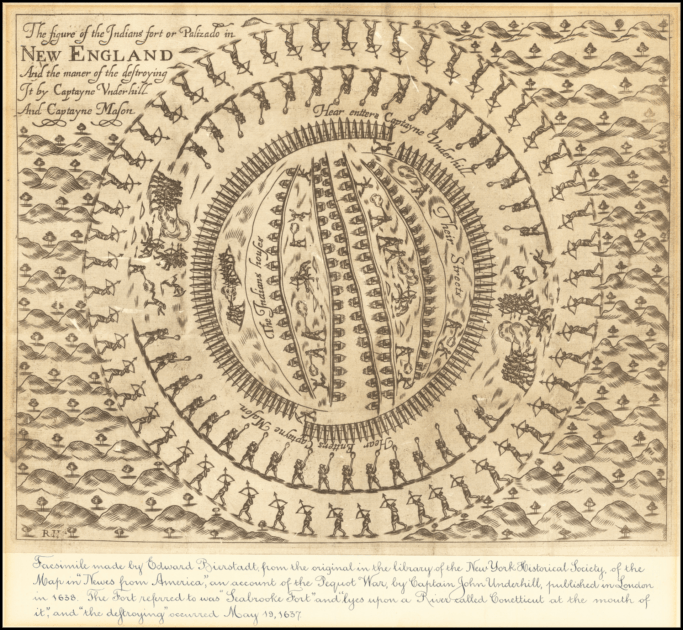
The article critiques the traditional narrative of Thanksgiving, highlighting its colonial origins and the violent history of European settlers' interactions with Indigenous peoples, such as the Pequot Massacre. It argues that the holiday's portrayal as a harmonious event between Pilgrims and Native Americans whitewashes the reality of genocide and land dispossession faced by Indigenous communities. The authors emphasize the ongoing impact of these historical injustices on Native populations and call for a more honest acknowledgment of history.
A genetic study tracing the lineage of North America's native Blackfoot Confederacy, published in Science Advances, found that modern Blackfoot people are descendants of a lineage dating back approximately 18,000 years, supporting their historical presence in North America. The research also provides evidence of a major lineage split among people who migrated to North America 18,000 years ago, giving rise to present-day Indigenous people in North, Central, and South America, bolstering the Blackfoot Confederacy's claims to ancestral land.
Prince Harry was reportedly warned about alleged human rights abuses, including rapes and torture, committed by rangers employed by African Parks, a conservation charity in Africa, months before he joined its board of directors. The allegations involve the mistreatment of the Baka, an indigenous group, in the Republic of Congo. Survival International, an organization fighting for indigenous rights, sent a letter to Harry and Meghan Markle detailing the atrocities and urging them to intervene. The charity has been accused of widespread rights violations against the Baka people, prompting calls for Prince Harry to distance himself from the organization. African Parks has denied the allegations and stated that it has a "zero-tolerance" policy for any form of abuse.
Prince Harry is facing calls to resign from his role in African Parks, a conservation charity accused of human rights abuses against the indigenous Baka people in Africa. The charity, funded by the EU, US government, and wealthy philanthropists, including a Swiss billionaire, has been accused of brutalizing the Baka people and enforcing theft of their rainforest. Survival International has launched a campaign urging the prince and donors to sever ties with the charity, while Prince Harry's foundation has escalated the serious allegations to the appropriate authorities. African Parks has launched an investigation into the allegations and claims to have a "zero-tolerance" policy for any form of abuse.
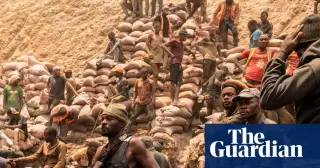
The soaring demand for minerals like lithium, cobalt, copper, and nickel for green energy components has led to an increase in mining projects on or near Indigenous lands, raising concerns about potential environmental and cultural impacts. Indigenous groups are advocating for equitable decision-making power and the implementation of "Free, Prior and Informed Consent" by mining companies, while also pressuring car companies to raise standards for their supply chains. The need for global solidarity among Indigenous groups facing increased mining for energy transition metals is emphasized as the world transitions away from fossil fuels.
Umesh Balal, a 28-year-old disability rights activist from Nepal, is advocating for the inclusion of disability rights in the climate change agenda at the COP28 conference in Dubai. Balal, who has dwarfism, is dedicated to ensuring that marginalized voices, including those of people with disabilities and indigenous peoples, are heard in discussions about climate change. He is campaigning for disaster preparedness among disabled people and highlighting the lack of inclusion and engagement for the disabled community in climate discussions. Balal aims to empower more disabled people and raise awareness about the intersection of disability rights and climate issues.