
Piezoelectric toothbrush kills bacteria via self-generated electricity
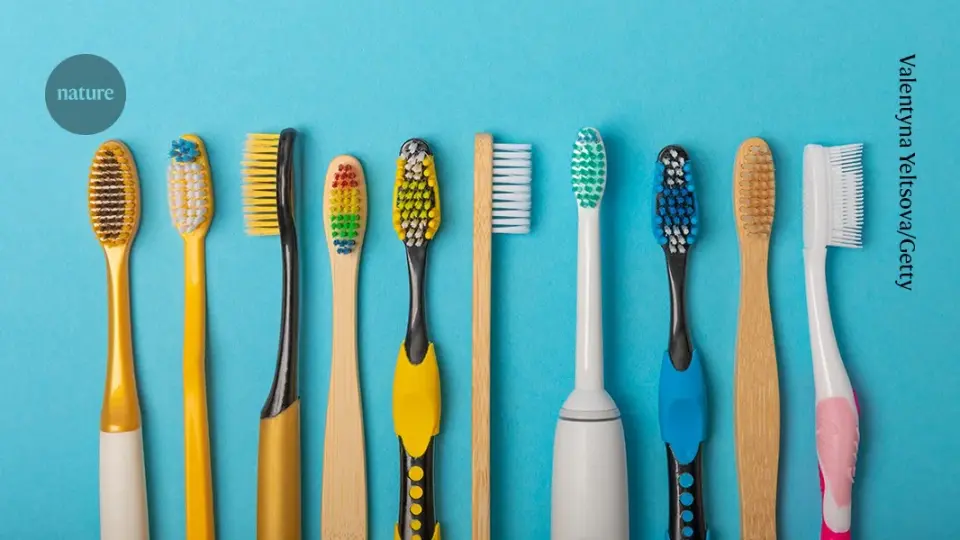
Researchers at Peking University have developed a battery-free toothbrush that uses piezoelectric bristles to generate electricity during brushing. This charge creates reactive oxygen species that damage bacterial cell membranes, significantly reducing plaque and gum inflammation compared to standard nylon brushes in a three-month human trial.
Key points
- The brush uses polyvinylidene fluoride (PVDF) bristles that generate an electrical charge when bent during brushing.
- The charge triggers the formation of reactive oxygen species (ROS) in saliva, which damage bacteria such as Streptococcus mutans and Porphyromonas gingivalis.
- In lab tests, the new bristles killed 53% of cavity-causing bacteria and 78% of gum-disease bacteria, compared to 9% and 8% for nylon bristles.
- A three-month trial with 115 adults showed the new brush reduced plaque, gum inflammation, and bleeding by approximately 40%, versus 15% for conventional brushes.
- The bristles retained their electrical properties and structural integrity after three months of simulated use.
Background
Manual toothbrushes have been used since the 10th century CE, relying primarily on mechanical friction to disrupt plaque. Previous innovations included antibacterial nanoparticles and battery-powered ionic brushes, but these had limitations regarding long-term stability or power requirements. This new design leverages piezoelectricity, a property previously explored in medical implants for wound healing, to create a self-powered cleaning mechanism.
How outlets are covering it
While Nature and New Scientist highlight the potential for a radical redesign of a 1,000-year-old tool, Live Science and New Atlas emphasize the specific mechanism of ROS generation. Experts like Nicholas Jakubovics from Newcastle University view the concept as innovative but note that the small trial size and lack of long-term safety data mean it is currently a proof of concept rather than a proven solution. Some outlets question whether reduced bacterial counts directly translate to fewer cavities over time.
Why it matters
Oral diseases affect nearly half the global population. A battery-free, self-powered method that enhances mechanical cleaning could improve oral health outcomes without the need for complex electronics or frequent battery replacements, potentially reducing the burden of dental care.
What to watch
Larger clinical trials are needed to determine if the brush prevents cavities and tooth loss over longer periods. Researchers must also investigate long-term safety for human tissues and the cost-effectiveness of manufacturing PVDF bristles.
- Toothbrush zaps bacteria with electricity made when bristles move Nature
- This self-powered toothbrush makes electricity to kill cavity-causing bacteria Live Science
- Your teeth could soon be protected by a futuristic force field New Atlas
- A self-charging toothbrush that generates electricity to kill bacteria while you brush Medical Xpress
- Toothbrush that emits electricity may more effectively prevent gum disease New Scientist
Want the full story? Read the original reporting
Read on Nature