Google's SynthID Bio Embeds Invisible Watermarks in AI-Designed Proteins to Boost Biosecurity
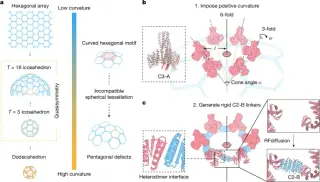
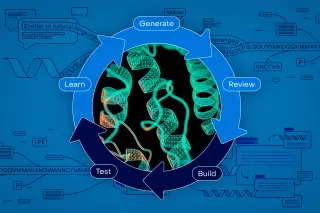
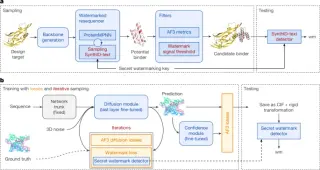
Google DeepMind has introduced SynthID Bio, a new technology that embeds imperceptible watermarks into AI-generated protein sequences and 3D structures. Published in Nature on September 30, 2026, the system aims to verify the provenance of synthetic biological designs without compromising their biological function. By integrating with tools like ProteinMPNN and AlphaFold 3, SynthID Bio allows DNA synthesis providers to distinguish trusted AI designs from potentially hazardous unknowns, enhancing biosecurity and scientific integrity.