
Scientists Engineer Lettuce to Produce Meat-Like Myoglobin
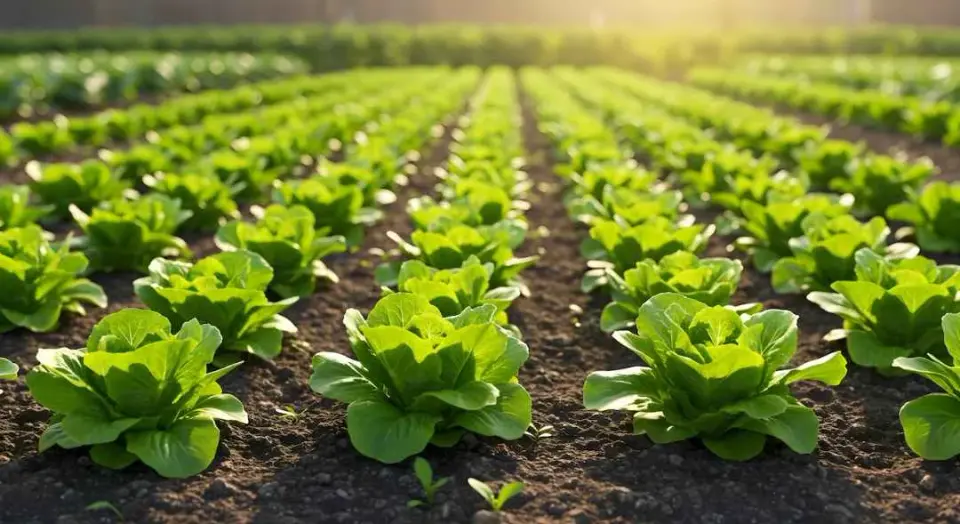
Researchers have successfully modified lettuce and tobacco plants to produce myoglobin, a protein found in meat, by inserting cloned pig DNA into chloroplasts. This innovation could offer a cheaper, more energy-efficient alternative to current plant-based meat technologies, potentially bypassing complex regulatory hurdles since the host plant is already edible.
Key points
- Standard lettuce servings contain only 0.5 to 1 gram of protein, but new research aims to significantly increase this amount.
- A study published in Frontiers in Plant Science details the successful production of myoglobin in tobacco and lettuce using cloned pig DNA.
- The process involves modifying chloroplasts, which typically produce chlorophyll, to instead synthesize myoglobin.
- Myoglobin and hemoglobin are responsible for the taste and bleeding characteristics of meat due to the presence of heme.
- Current methods like Impossible Foods use fermentation to produce heme, a process described as expensive and energy-intensive.
- Lettuce is considered a promising vehicle for this technology because it is already an edible food, potentially simplifying regulatory approval and reducing production costs.
Background
This development builds on previous efforts to create plant-based meat alternatives that mimic the sensory properties of animal products. Notably, Impossible Foods has already commercialized products that use fermented heme to replicate the taste and appearance of meat. Additionally, the broader food industry has seen shifts toward plant-based options, such as the addition of oat milk to vegan menus by major chains like Starbucks. These prior innovations highlight the ongoing consumer demand for protein-rich, animal-free food sources.
Why it matters
This research could significantly lower the cost and energy requirements for producing plant-based meat alternatives. By utilizing an edible medium like lettuce, the path from laboratory to market may be faster and less expensive than current fermentation-based methods. This could make high-protein plant-based foods more accessible, addressing environmental concerns related to factory farming while meeting the high demand for protein in the United States.
What to watch
The next steps likely involve further testing and regulatory reviews to ensure the safety and viability of myoglobin-producing lettuce for commercial consumption. If successful, this could lead to the development of new food products that offer the taste and texture of meat without the associated environmental and ethical issues of animal agriculture.
Want the full story? Read the original reporting
Read on Boing Boing